Phormium 'Yellow Wave' (New Zealand Flax)
New Zealand flax cultivar with arching yellow-green striped leaves. Māori traditionally used its strong fibres for weaving and rope-making.
Quick Answer
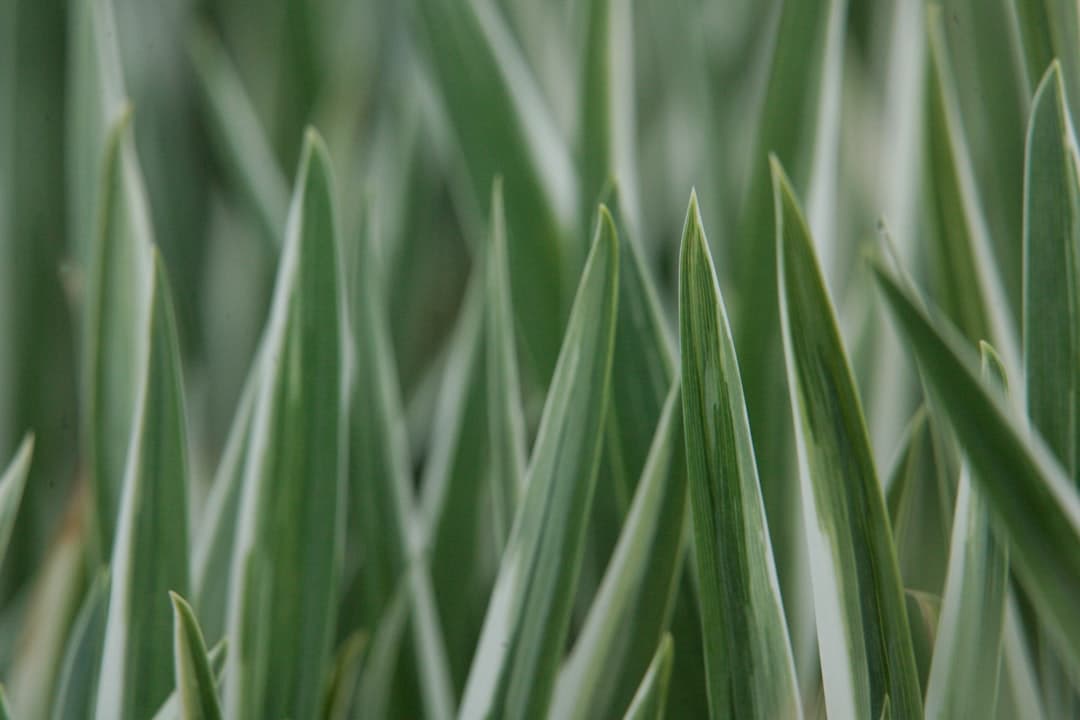
Phormium tenax 'Yellow Wave' is a New Zealand flax cultivar with yellow-green striped arching leaves. Traditionally used by Māori for weaving.
TL;DR | Quick Summary
Origin and family
Phormium tenax (New Zealand flax) belongs to the Asphodelaceae family and is endemic to New Zealand and Norfolk Island. The cultivar 'Yellow Wave' features distinctive yellow-green variegated leaves with gently undulating margins that arch gracefully.
Cultural significance for Māori
For the Māori people, harakeke (flax) was one of the most important plants. Strong leaf fibres were woven into baskets, mats, fishing nets, cloaks and rope. Plantings of harakeke held deep symbolic meaning tied to family and community.
Ornamental qualities
'Yellow Wave' is prized in landscaping for its tolerance of wind, coastal salt spray and drought. Leaves reach 1–1.5 m, forming dense rosettes. Its resilience in tough coastal environments has made it one of the most widely planted ornamental grasses worldwide.
Flowering
Mature plants send up tall flower spikes (up to 3–4 m) bearing tubular orange-red blooms rich in nectar. In New Zealand they are pollinated by birds — tui and other honeyeaters.
In the botanical garden
In our collection, Phormium 'Yellow Wave' illustrates the deep connection between a plant and the culture of an indigenous people — a reminder that a botanical garden is about the story of humans and nature as much as biology itself.
This article is for informational purposes only.