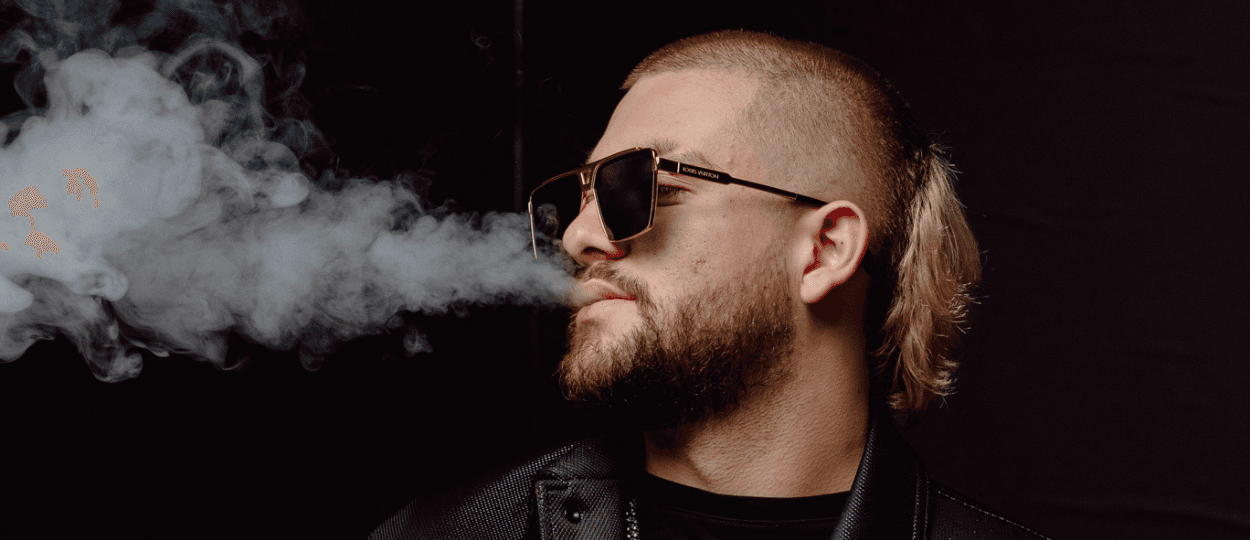
Álvaro Felipe Baquero Transitions from Soccer to Music with Cannabis as Creative Catalyst
Álvaro Felipe Baquero, known as Blondiak, transitions from soccer to music, using cannabis as a creative catalyst to explore new musical horizons
Key Points
- 1Álvaro Felipe Baquero's soccer career ended due to a head injury
- 2Blondiak's music career took off with the song "Guaya" in Guatemala
- 3He blends electronic music with Latin influences, achieving over a million views
- 4Cannabis is a key part of Blondiak's creative and spiritual journey
- 5Blondiak aims to collaborate with international artists, expanding his musical footprint
Álvaro Felipe Baquero, known by his stage name Blondiak, has turned a setback into a flourishing music career after a head injury ended his potential soccer future. At just nine years old, a severe accident during a soccer match forced him to abandon the sport, but it also led him to discover a new passion: music. This transition has not only provided him with a means of expression but has also become his primary livelihood
Blondiak's musical journey began in earnest after his family relocated to Miami to support his burgeoning career. His breakthrough came with the song "Guaya," which unexpectedly resonated with audiences in Guatemala, amassing over 200,000 views on YouTube. This success marked the beginning of his artistic evolution, as he experimented with electronic music, blending house and guaracha to expand his reach within the Spanish-language music scene
The Colombian artist's repertoire includes tracks like "Esa Boquita," which has surpassed one million views, showcasing his ability to cross musical boundaries with a hybrid electro-Latin style. As he continues to explore new genres, Blondiak is eager to collaborate with artists from Puerto Rico and Romania, further diversifying his sound. His live performances are a testament to his passion for connecting with audiences, as he revels in their varied reactions to his music
Beyond music, cannabis plays a significant role in Blondiak's creative process and personal philosophy. He views it as a tool for connection, both to the external world and his inner self, emphasizing its spiritual and introspective benefits. Despite acknowledging potential negative aspects, he believes that cannabis enhances intuition and intellectual engagement, aligning with his pursuit of deeper artistic and personal exploration