Cannabis Research Highlights Potential for Pain Management and Opioid Safety
Recent studies presented in the Healer webinar highlight cannabis's potential in managing chronic pain and enhancing opioid safety, offering promising alternatives for patients
Key Points
- 1Cannabis shows promise in managing chronic pain conditions like diabetic neuropathy and low back pain
- 2CBD may enhance opioid safety by reducing risks of opioid-induced apnea without affecting pain relief
- 3Studies highlight the potential for cannabis to be integrated into personalized medicine approaches
- 4Research underscores the need for regulatory support to facilitate further exploration of cannabis in medicine
In a recent installment of the Healer webinars, hosted by Dr. Dustin Sulak, emerging research on the use of cannabis for various medical conditions was discussed. The November session focused on studies related to diabetic neuropathy, chronic low back pain, and opioid-induced persistent apnea. Additionally, the webinar touched on the potential of cannabinoids to alleviate symptoms associated with Alzheimer's disease. These findings underscore the growing interest in cannabis as a therapeutic option for chronic pain and other health issues
One of the studies presented was titled "Long-Term Efficacy and Safety of Inhaled Cannabis Therapy for Painful Diabetic Neuropathy: A 5-Year Longitudinal Observational Study," published in Biomedicines. This study involved 52 patients with diabetic neuropathy who had not found relief with conventional treatments. Participants used inhaled medical-grade cannabis with 20% THC and less than 1% CBD, tailored to individual needs. Over five years, significant pain relief and improved glycemic control were reported, with no serious adverse effects observed. Dr. Sulak highlighted the absence of a control group but noted the promising results for patients unresponsive to standard care
The discussion then shifted to a study on chronic low back pain, published in Integrative Medicine Reports. This 10-year prospective study involved 168 adults with chronic low back pain and anatomical abnormalities. Participants used cannabis in various forms, such as inhaled or edibles, with an average monthly dose of 50 grams. The study reported a significant reduction in pain and opioid use, with quality of life improvements noted. Dr. Sulak emphasized the potential of cannabis as a long-term alternative to traditional analgesics, highlighting the importance of personalized medicine in treatment plans
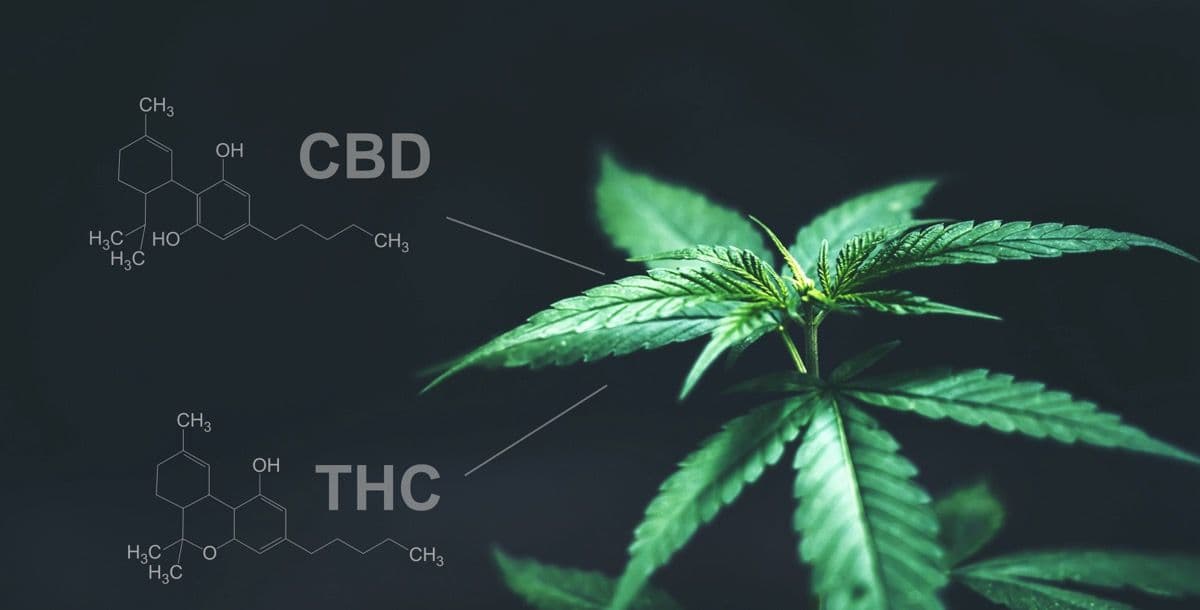
Another significant study explored the potential of cannabidiol (CBD) to counteract opioid-induced persistent apnea, published in Frontiers in Neuroscience. This study, conducted on mice, found that CBD could prevent breathing suppression caused by fentanyl, a potent opioid. CBD was as effective as naloxone, a standard opioid antagonist, in maintaining breathing. Dr. Sulak suggested that incorporating CBD into opioid treatment could enhance safety without affecting the desired effects of opioids, such as pain relief and euphoria
The implications of these studies are considerable, particularly in the context of the ongoing opioid crisis. With opioid-induced deaths being a significant public health concern, the potential for CBD to mitigate some of these risks is noteworthy. The findings suggest a possible new avenue for making opioid use safer, especially for those with opioid use disorder or those using opioids for pain management. This could lead to new formulations that include CBD to reduce the risk of fatal respiratory depression
Looking forward, these studies pave the way for further research into cannabis as a viable medical treatment. As more data becomes available, there is potential for cannabis to be integrated into mainstream medical practices for managing chronic pain and reducing opioid-related fatalities. The ongoing research will likely focus on refining dosages, delivery methods, and understanding the long-term effects of cannabis use. As Dr. Sulak and others continue to explore these possibilities, the medical community may see a shift towards more personalized and safer pain management strategies
The ongoing exploration of cannabis in medical research highlights the need for continued scientific inquiry and regulatory support. As these studies demonstrate the potential benefits of cannabis, regulatory bodies may need to reconsider current policies to facilitate further research and access. The future of cannabis in medicine will depend on the collaboration between researchers, healthcare providers, and policymakers to ensure safe, effective, and accessible treatments for patients worldwide