Chernobyl Fungus: A Potential Shield Against Space Radiation
A fungus thriving in Chernobyl's radioactive environment could revolutionize space travel by offering protection against space radiation
Key Points
- 1Chernobyl fungus Cladosporium sphaerospermum thrives on radiation
- 2The fungus may protect astronauts from space radiation
- 3It was successfully cultivated on the International Space Station
- 4Potential applications include radioactive waste management on Earth
- 5NASA is investigating fungi for extraterrestrial construction
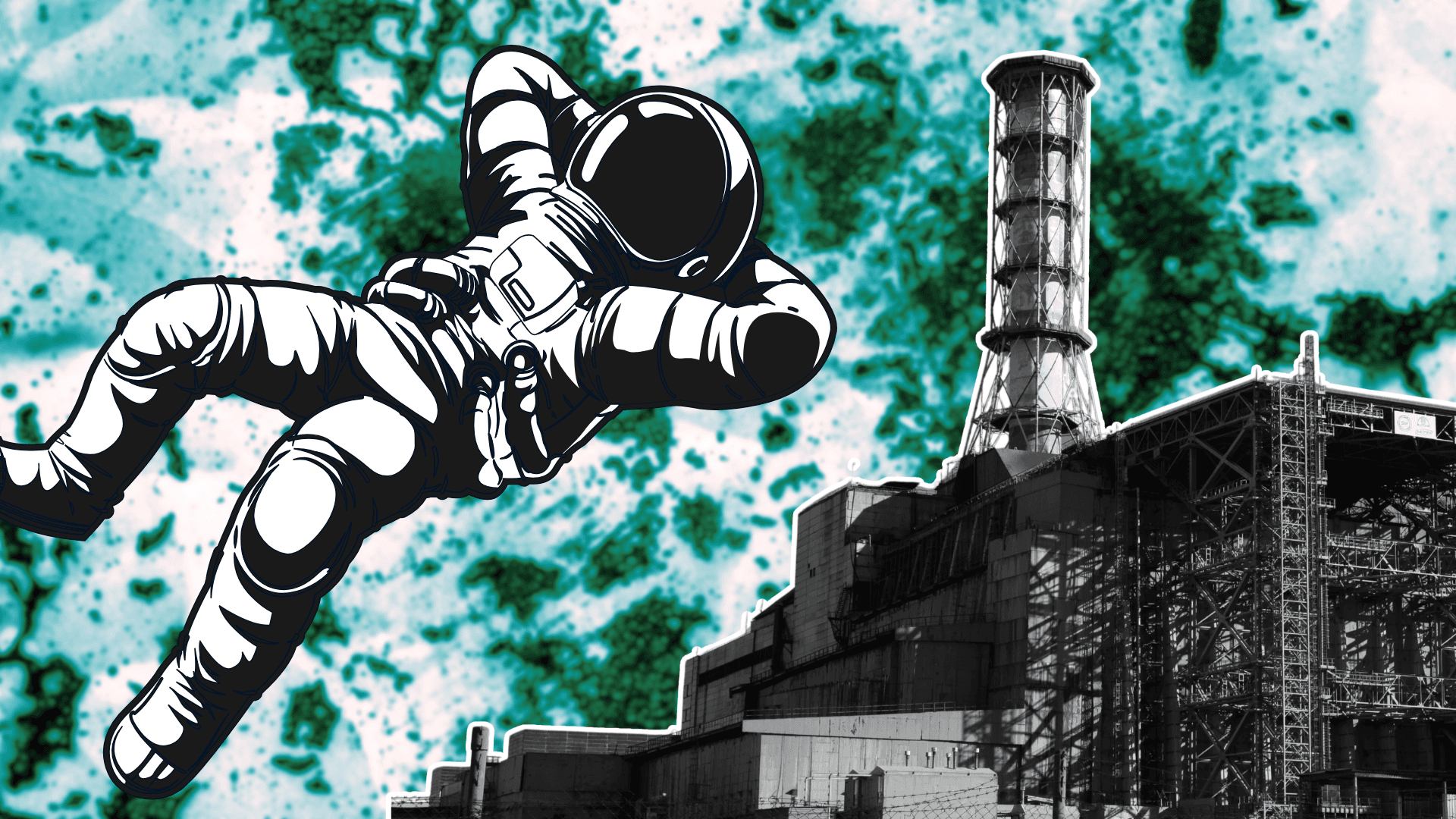
The Chernobyl disaster of 1986 remains a significant environmental catastrophe, with its impacts still felt across Europe. The explosion at the Chernobyl Nuclear Power Plant exposed thousands to radiation and left a legacy of contamination that continues to affect the ecosystem. Despite the harsh conditions, certain organisms have adapted to the radioactive environment, including a unique fungus that thrives on radiation
This remarkable fungus, Cladosporium sphaerospermum, was discovered on the walls of the Chernobyl nuclear plant, where radiation levels are still dangerously high. The fungus has intrigued scientists because of its ability to use melanin to absorb radiation and potentially convert it into energy through a process similar to photosynthesis, termed radiosynthesis. While the exact mechanisms are not fully understood, the potential applications of this fungus are vast
Recent studies have explored the fungus's potential to protect astronauts from space radiation, a significant challenge in long-duration space missions. In 2022, researchers successfully cultivated the fungus on the International Space Station, noting its rapid growth and ability to reduce radiation levels. This discovery suggests that the fungus could be developed into a protective shield for astronauts, enhancing safety on missions to Mars or the Moon
The implications of using Cladosporium sphaerospermum extend beyond space travel. The fungus could also offer innovative solutions for managing radioactive waste on Earth. Additionally, NASA is exploring the use of fungi, such as mycelium, as a sustainable building material for extraterrestrial habitats, highlighting the broader potential of fungi in space technology
While further research is necessary to fully understand and harness the capabilities of Cladosporium sphaerospermum, its potential applications in space and radiation management are promising. The continued study of this fungus could lead to groundbreaking advancements in biotechnology, offering new ways to protect both astronauts in space and environments affected by radiation on Earth