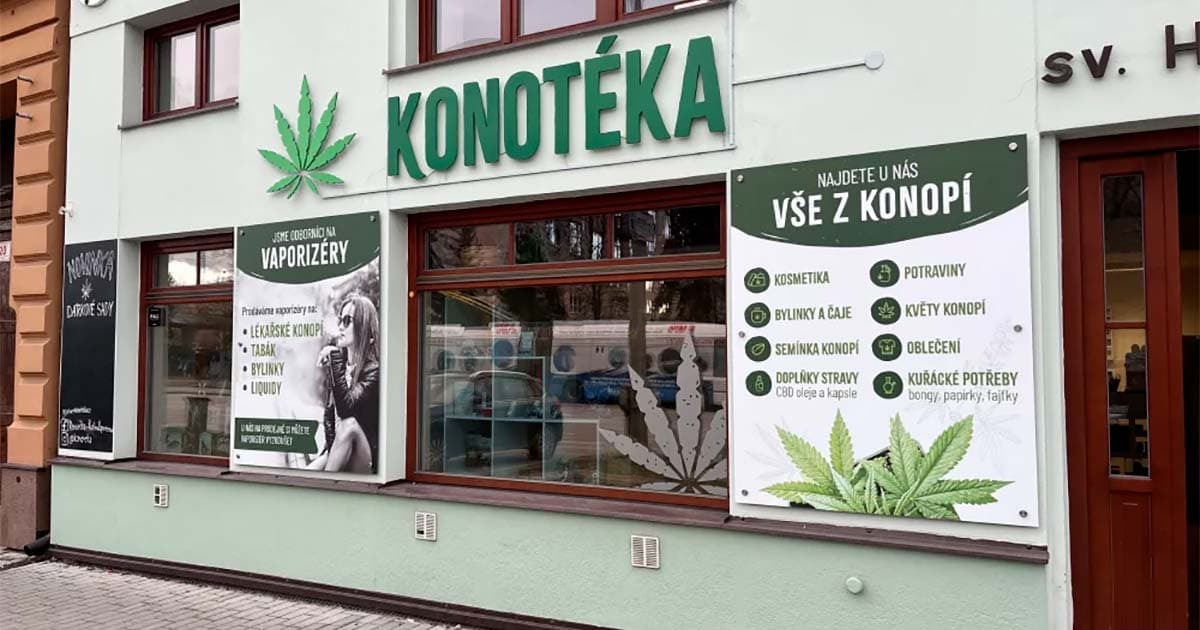
Czech Republic Plans to Ban CBD Products Citing EU Regulations
The Czech Republic is planning to ban CBD products due to EU regulations, sparking controversy amid ongoing cannabis legalization efforts
Key Points
- 1Czech Republic plans to ban CBD products citing EU regulations
- 2The ban targets foods, cosmetics, and other cannabinoid-containing products
- 3Critics argue the ban is based on a misinterpretation of EU guidelines
- 4The European Industrial Hemp Association opposes the ban, citing historical use
- 5No implementation date for the ban has been announced yet
The Czech Republic is considering a ban on CBD products, including foods and cosmetics, due to concerns over compliance with European Union regulations. The Czech Ministry of Agriculture announced that the State Agricultural and Food Inspection Authority (SZPI) is preparing measures to remove all cannabinoid-containing products from the market. This move responds to EU rules classifying CBD as a novel food, which requires safety assessments by the European Food Safety Authority (EFSA)
The proposed ban has sparked controversy, as it contradicts the Czech Republic's progressive stance on cannabis legalization. While the country is moving towards legalizing recreational cannabis, the CBD ban seems to represent a step backward. The Ministry of Agriculture cited a lack of comprehensive research on the health effects of CBD as a primary reason for the ban, despite the World Health Organization's 2017 declaration that CBD is safe
Critics, including Lukas Hurt, editor of the Czech magazine Konopi, argue that the ban is unnecessary and based on a misinterpretation of EU regulations. According to Hurt, the EU's Novel Food regulation is a guideline rather than a binding rule, allowing member states discretion in classifying products. Hana Gabrielová, president of CzecHemp, further emphasized that only highly concentrated CBD isolates should be considered novel foods, not traditional plant extracts
The European Industrial Hemp Association (EIHA) has expressed its opposition to the proposed ban, highlighting the historical use of hemp extracts in diets across Europe. Lorenza Romanese, EIHA's executive director, stated that the association would provide documentation to Czech authorities to demonstrate the safety and traditional use of cannabinoid products. This stance is echoed by Jindrich Voboril, the national drug policy coordinator, who was surprised by the announcement and is working on a proposal to regulate CBD products more effectively
Looking ahead, the decision on the CBD ban remains pending, with no specific date for implementation. The situation underscores the ongoing tension between national policies and EU regulations regarding cannabis and its derivatives. As the Czech Republic navigates this complex regulatory landscape, stakeholders continue to advocate for a balanced approach that considers both safety and the economic impact on the hemp industry