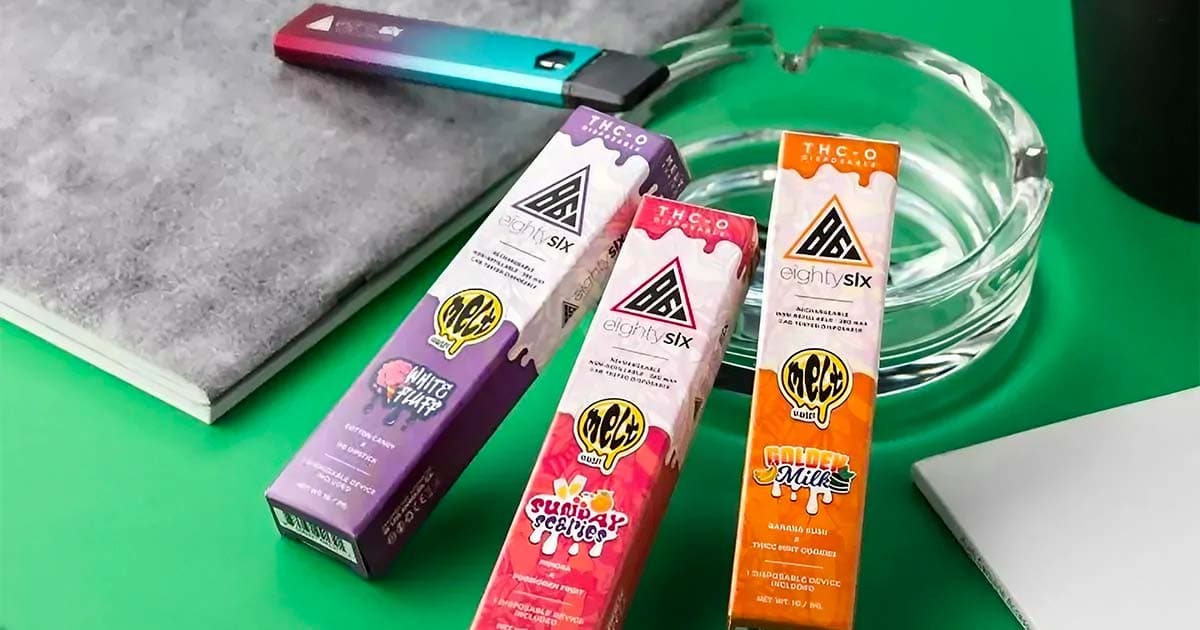
DEA Classifies Delta-8 THC-O and Delta-9 THC-O as Controlled Substances
The DEA has classified delta-8 THC-O and delta-9 THC-O as controlled substances due to their synthetic nature, impacting the U.S. cannabinoid market
Key Points
- 1DEA classifies delta-8 THC-O and delta-9 THC-O as illegal controlled substances
- 2These cannabinoids are synthetic and do not occur naturally in cannabis
- 3The 2018 Farm Bill legalized hemp, spurring growth in cannabinoid markets
- 4Industry experts call for federal action to clarify hemp-derived cannabinoid legality
- 5NORML and other organizations stress the need for responsible cannabinoid regulation
The U.S. Drug Enforcement Administration (DEA) has determined that two synthetic cannabinoids, delta-8 THC-O and delta-9 THC-O, are illegal controlled substances. This decision is based on the fact that these cannabinoids do not naturally occur in the cannabis plant and are produced synthetically, thereby not meeting the federal definition of legal hemp. The DEA's stance was clarified in a letter from Terrence L. Boos, head of the agency's Drug & Chemical Evaluation Section, which outlined the chemical and pharmacological similarities these substances share with natural tetrahydrocannabinols found in cannabis
The 2018 Farm Bill, which legalized hemp containing up to 0.3% delta-9 THC by dry weight, has led to a burgeoning market for both natural and synthetic cannabinoids in the U.S. This legal framework has been pivotal in states where cannabis remains illegal, allowing for the sale of hemp-derived products. However, the rise of synthetic cannabinoids like delta-8 THC-O and delta-9 THC-O has prompted regulatory scrutiny, as these substances do not fit within the existing legal definitions and are not naturally present in the cannabis plant
The DEA's clarification on the status of synthetic cannabinoids comes amid ongoing debates about the regulation of delta-8 THC, a cannabinoid that can be derived from CBD and is present in trace amounts in cannabis. While some states have moved to regulate delta-8 THC due to its intoxicating effects, a federal appeals court previously ruled that delta-8 THC is not a controlled substance, as the Controlled Substances Act explicitly addresses only natural delta-9 THC. This ruling has added complexity to the regulatory landscape, highlighting the need for clearer federal guidelines
Industry experts and legal analysts, such as Michelle Bodian from Vicente Sederberg, have called for legislative action to resolve the ambiguity surrounding hemp-derived cannabinoids. The current patchwork of state laws and federal regulations creates confusion for both consumers and businesses. Advocates argue that federal legalization of cannabis could simplify the regulatory environment and reduce the demand for synthetic cannabinoids, particularly in states where cannabis remains prohibited
Organizations like NORML have expressed concerns about the safety and regulation of lesser-known cannabinoids. They emphasize the importance of responsible regulation to protect public health and safety. Aaron Smith, CEO of the National Cannabis Industry Association, advocates for ending the federal prohibition of cannabis and implementing reasonable federal regulations to allow state laws to function effectively across the country. This approach, he argues, would provide a more coherent regulatory framework for both natural and synthetic cannabinoids