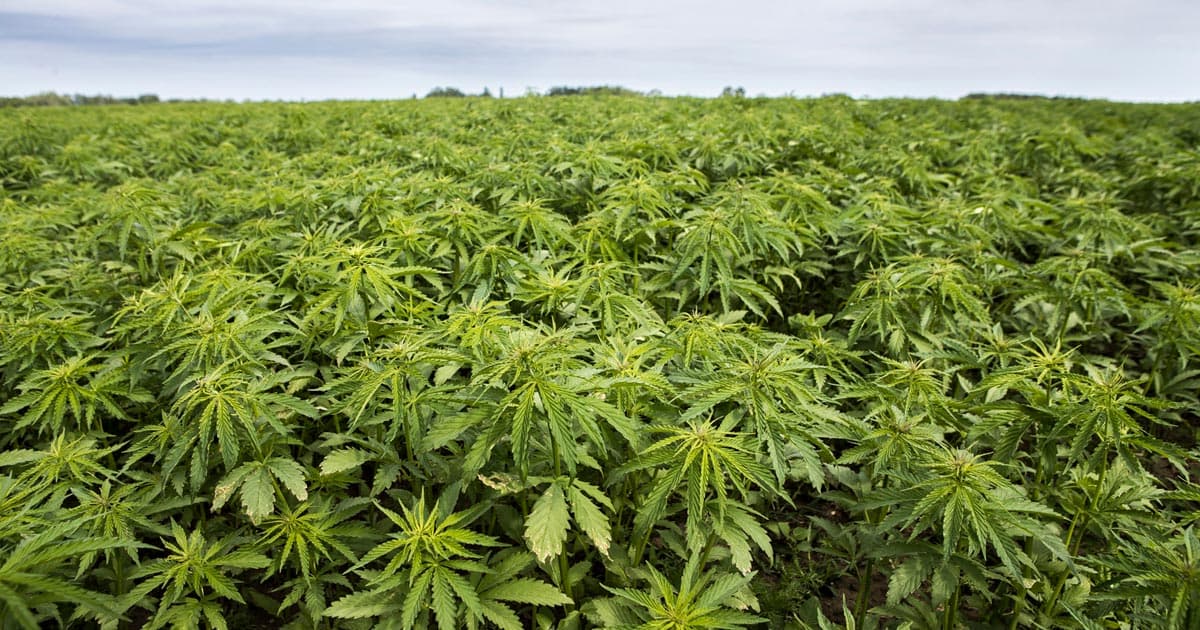
EU Increases Maximum THC Limit for Hemp to 0.3% Under New Agricultural Policy
The EU has raised the maximum THC limit in hemp to 0.3% under its new Common Agricultural Policy, effective January 2023
Key Points
- 1EU raises THC limit in hemp to 0.3% under new policy
- 2Change effective January 1, 2023, broadens hemp variety eligibility
- 3Daniel Kruse of EIHA praises the move as a step forward
- 4National regulations may allow higher THC limits, as in Italy and Czech Republic
- 5Policy aims to enhance EU's competitiveness in the global hemp market
The European Union has officially raised the maximum permissible THC level in hemp from 0.2% to 0.3% as part of its newly adopted Common Agricultural Policy (CAP). This change was confirmed on November 2, 2023, following a series of negotiations among EU institutions. The adjustment is poised to take effect on January 1, 2023, marking a significant shift for the hemp industry across Europe
The decision to increase the THC limit in hemp has been in the pipeline since October 2020, when the European Parliament initially voted in favor of the change. After extensive discussions and compromises between the European Parliament, the Council, and the European Commission, the final proposal was approved. This policy adjustment is expected to broaden the range of hemp varieties eligible for direct payment support under the EU's agricultural framework
Daniel Kruse, president of the European Industrial Hemp Association (EIHA), lauded the decision as a major victory for the hemp industry. He emphasized that while the new limit is a positive step, it remains low compared to other countries like Switzerland, which allows higher THC levels. Kruse highlighted scientific studies indicating that higher THC limits pose no consumer safety risks, advocating for even further liberalization
Under the new policy, farmers can receive direct payments for cultivating hemp varieties listed in the EU catalog, provided these varieties contain no more than 0.3% THC. However, national regulations may permit higher THC levels, as seen in Italy and the Czech Republic, where limits are set at 0.6% and 1%, respectively. This flexibility allows member states to tailor regulations to their domestic needs while aligning with EU standards
Looking forward, the increase in THC limits is expected to stimulate growth in the European hemp industry by encouraging the development and cultivation of more diverse hemp strains. This change could also bolster the EU's position in the global hemp market, providing a more competitive edge against regions with more lenient THC regulations. The policy shift underscores the EU's commitment to fostering a sustainable and competitive agricultural sector