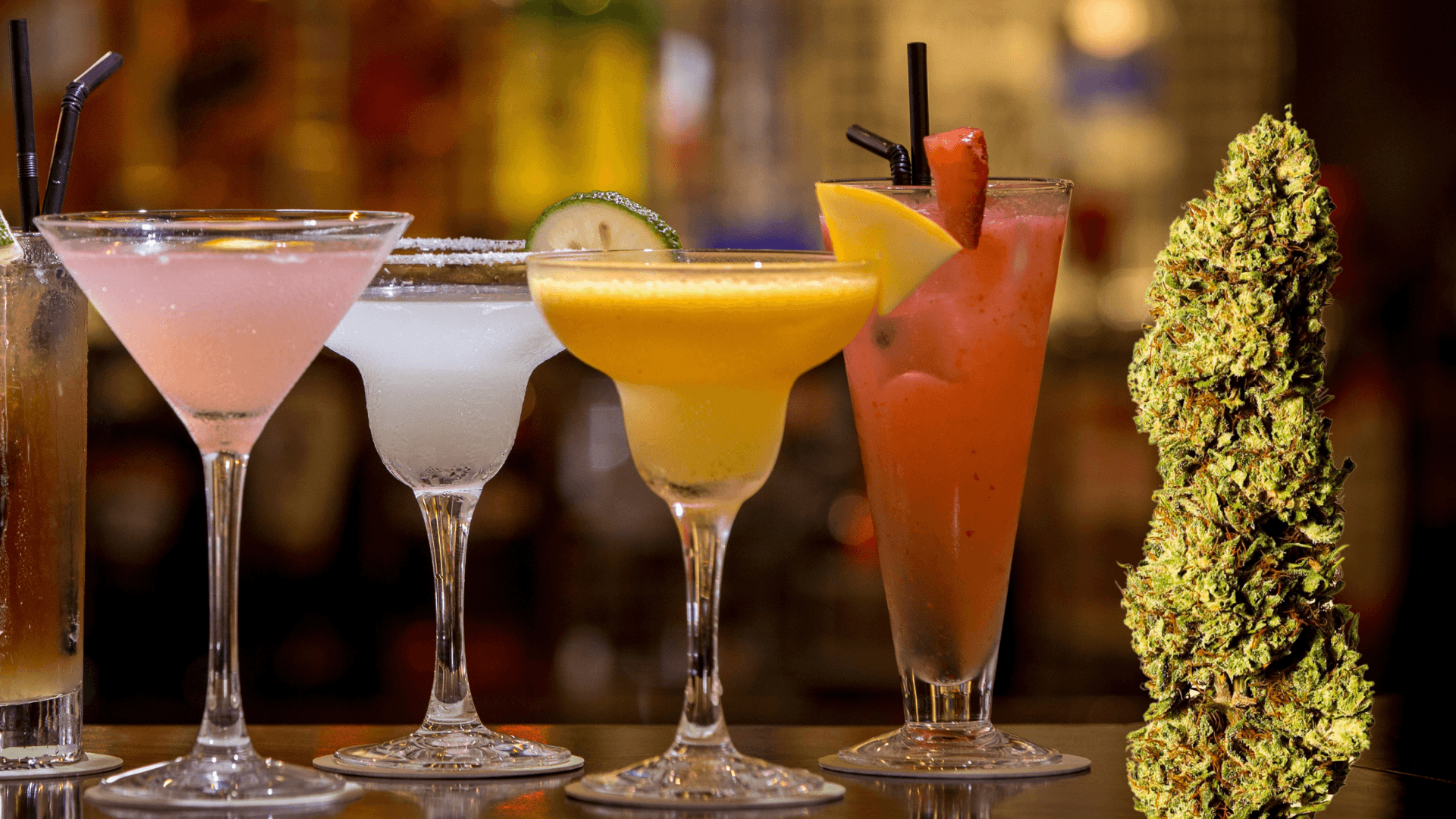
Exploring the "Cali Sober" Phenomenon: Does Cannabis Really Curb Alcohol Consumption?
Brown University's innovative study explores whether cannabis can substitute alcohol, shedding light on the "Cali sober" lifestyle. Initial findings suggest cannabis may reduce alcohol consumption, but further research is needed
Key Points
- 1Brown University conducted a study on the "Cali sober" lifestyle
- 2The study involved 157 adults in a bar-like laboratory setting
- 3Participants drank less alcohol after consuming cannabis
- 4The study suggests THC may reduce alcohol cravings
- 5Further research is needed to explore cannabis as a harm reduction tool
In the landscape of California's cannabis culture, the term "Cali sober" has emerged as a lifestyle choice where individuals abstain from alcohol while continuing to use cannabis. This trend has gained traction among celebrities and wellness enthusiasts who seek to avoid the drawbacks of alcohol, such as hangovers, while still enjoying social rituals. The question arises: is this trend merely a cultural shift, or does it have a basis in science? Recent research conducted by Brown University aims to provide insight into whether cannabis can effectively substitute alcohol in social settings
To investigate the "Cali sober" hypothesis, researchers at Brown University designed an innovative study that mimicked a bar environment within a laboratory setting. Participants were invited to this simulated bar, complete with sofas, a counter, and warm lighting, to choose between their preferred alcoholic beverages and scientifically calibrated cannabis joints. This setup was part of a rigorous study involving 157 adults aged 21 to 44, all of whom were regular users of both alcohol and cannabis. The study employed a randomized, double-blind, placebo-controlled trial to ensure unbiased results
Jane Metrik, the lead investigator, emphasized the study's intent to explore the potential of cannabis as a substitute for alcohol without promoting it as a treatment for alcohol dependency. "We’re not ready to tell people seeking treatment for alcohol, go ahead and substitute cannabis, and it will work out for you," Metrik stated, highlighting the distinction between scientific exploration and clinical guidance. The study's methodology was meticulous, with participants undergoing three sessions where their drinking behavior was closely monitored after consuming cannabis
The study utilized the Alcohol Choice Task to measure participants' behavior under temptation. Participants could choose to drink their favorite alcoholic beverages or earn a small monetary reward for abstaining. This setup allowed researchers to observe genuine drinking behavior rather than mere symbolic gestures. The results were revealing: after consuming cannabis, participants consistently drank less alcohol, suggesting that THC might reduce alcohol cravings under certain conditions
While the findings offer intriguing support for the "Cali sober" theory, researchers caution against drawing premature conclusions. Metrik notes the potential therapeutic role of cannabinoids in reducing alcohol intake but emphasizes the need for further research before endorsing cannabis as a treatment. Brown University has initiated a new clinical trial to explore the combined effects of cannabis and alcohol and how different cannabinoids interact with alcohol consumption
The implications of this research extend beyond individual behavior to broader societal and regulatory contexts. As cannabis becomes increasingly accessible, understanding its impact on alcohol consumption could inform public health strategies and regulatory policies. The study also raises questions about the potential for cannabis to serve as a harm reduction tool, although more extensive studies are necessary to confirm these preliminary findings
Looking ahead, the exploration of cannabis and alcohol interactions remains a burgeoning field of study. The Brown University team's work highlights the complexity of these substances and their social roles. As science continues to unravel the nuances of "Cali sober," it provides a foundation for future research and potential applications in public health. For now, the "Cali sober" lifestyle remains a topic of interest both culturally and scientifically, promising further insights into the interplay between cannabis and alcohol