France Delays Implementation of Cannabis Fines to Late 2020 Due to Technical Issues
France's introduction of fixed fines for public cannabis use is delayed to late 2020 due to technical issues, impacting implementation plans
Key Points
- 1France delays cannabis fine system to late 2020 due to technical issues
- 2The CNIL raised concerns about data retention at the Rennes processing center
- 3Test phase for cannabis fines set to begin by June 2020
- 4Fines aim to focus on users, not traffickers, while still recording offenses
- 5Delay highlights challenges in administrative readiness for new policies
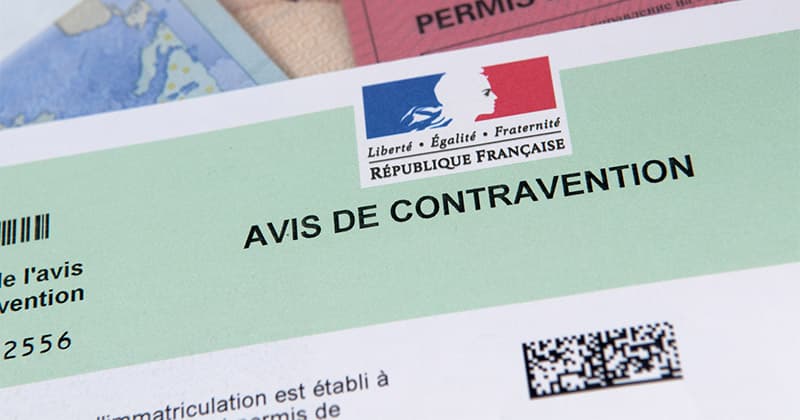
France's plan to introduce a fixed fine system for public cannabis use, known as the "amende Poulliat," is now delayed until the end of 2020. Initially set for a December 2019 rollout in select cities, the postponement is attributed to technical challenges, as reported by JDD
The delay stems from concerns raised by the CNIL regarding data retention practices at the National Processing Center in Rennes, which is responsible for handling these fines. This center had previously faced scrutiny over its management of data from traffic enforcement cameras, prompting a reevaluation of its processes before it can manage cannabis-related infractions
Despite these setbacks, the test phase for the fines is expected to commence by June 2020. Philippe Astruc, the prosecutor of Rennes, assured that all necessary preparations would be completed by the end of the first half of the year. This timeline is crucial for assessing the effectiveness of the fines in curbing public cannabis use
The initiative to implement fines for cannabis use was formalized in November 2018, following a study by Robin Reda and Eric Poulliat. The fines aim to ease the burden on law enforcement by focusing on users rather than traffickers. However, they will still record offenses on criminal records and do not eliminate the possibility of imprisonment or additional fines
Looking ahead, the success of this program is pivotal for France's broader strategy against drug use. The government hopes that by penalizing public cannabis consumption more efficiently, resources can be redirected towards combating drug trafficking. However, the delay raises questions about the readiness of the administrative systems to support this initiative