Green Wednesday 2025: A Comprehensive Look at THC Research and Market Trends
As Green Wednesday 2025 approaches, the cannabis industry is buzzing with new insights into THC research and market trends. From reducing alcohol consumption to expanding beverage markets, here's what you need to know
Key Points
- 1Green Wednesday is the cannabis industry's version of Black Friday, focusing on THC products
- 2Studies show low-dose THC beverages may reduce alcohol consumption and impairment
- 3The THC beverage market could be worth up to $14.9 billion, with significant U.S. sales
- 4Research highlights the need for accurate THC labeling and quality control
- 5Various cannabis consumption methods affect THC plasma levels and subjective experiences
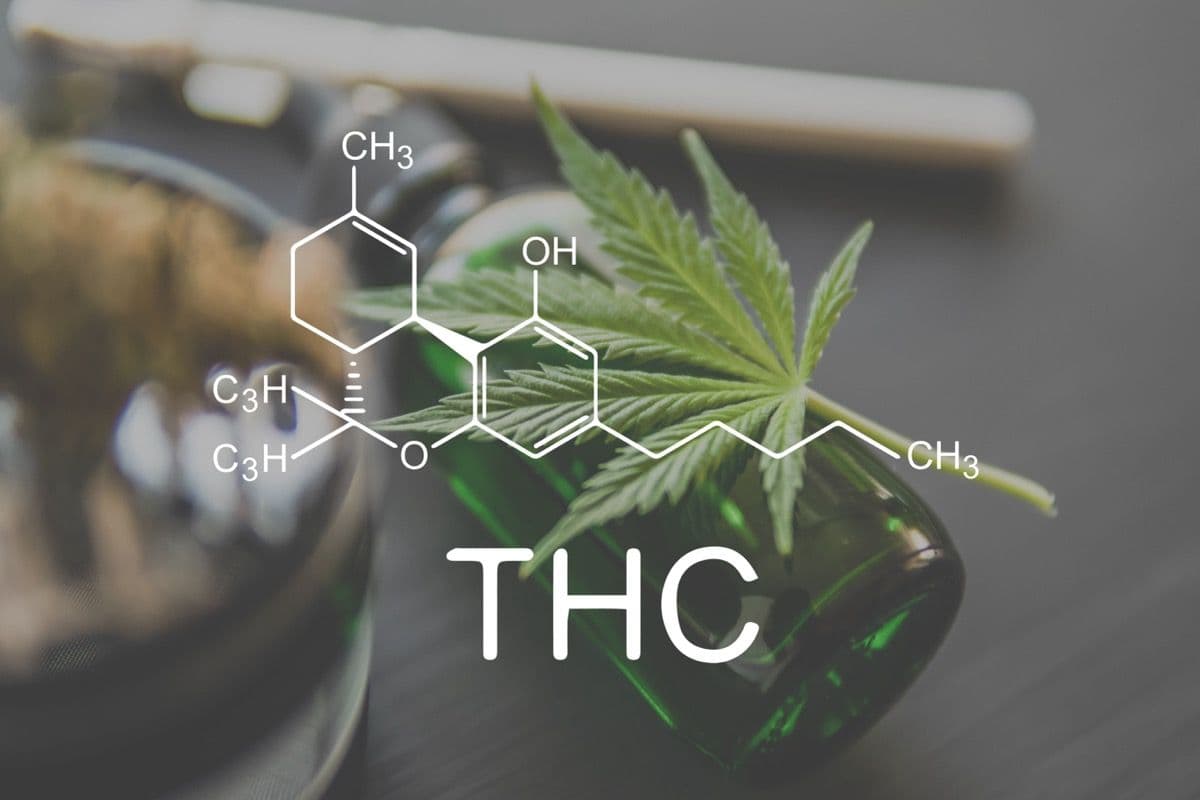
As cannabis enthusiasts gear up for Green Wednesday 2025, the cannabis industry's equivalent of Black Friday, a spotlight is being placed on the latest developments in THC research and market trends. Green Wednesday, which aligns with the Thanksgiving holiday weekend, has become a significant sales event for cannabis products, offering consumers a chance to explore new offerings and gain insights into the psychoactive compound tetrahydrocannabinol (THC). This year, the focus is on the evolving landscape of THC-infused products and their impact on consumer behavior and market dynamics
A recent study by MoreBetter Ltd has shed light on the potential of low-dose hemp-derived beverages to reduce alcohol consumption. Conducted over 22 days with 2,580 adult participants, the study found that these beverages, containing one to ten milligrams of THC per serving, were associated with reduced alcohol use and impairment. This research comes in the wake of the FY 2026 Agriculture–FDA Appropriations Bill, which restricts products to no more than 0.4 mg total THC per container, highlighting the regulatory challenges and opportunities within the industry
The THC beverage market is rapidly expanding, as detailed in a report by Whitney Economics. The report estimates the potential market size to be between $9.9 billion and $14.9 billion, with legal sales in the U.S. reaching between $1.0 billion and $1.3 billion. This growth underscores the increasing consumer demand for THC-infused beverages, as well as the economic opportunities they present. The report also emphasizes the importance of understanding state-specific regulations and consumer preferences to navigate this burgeoning market effectively
In a pioneering study by the National Institute of Standards and Technology (NIST), researchers explored methods to detect cannabinoids in breath after the consumption of edibles. This study involved 29 participants who consumed cannabis-infused edibles, with breath samples taken at multiple intervals post-ingestion. The findings indicated measurable changes in THC concentration, although further research is recommended to extend the observation period. This research is crucial for developing reliable impairment testing methods, particularly in the context of driving under the influence
Another significant finding comes from a clinical trial published in the American Journal of Psychiatry, which examined the relationship between cannabis use and alcohol consumption. Participants who consumed cannabis with 3.1% THC reduced their alcohol intake by 19%, while those using 7.2% THC saw a 27% reduction compared to a placebo group. This suggests that cannabis could play a role in moderating alcohol consumption, potentially offering a harm-reduction strategy for those seeking to decrease their alcohol intake
Accuracy in THC labeling remains a critical issue, as highlighted by a study from the University of Colorado and MedPharm Holdings LLC. The research found that 56.7% of cannabis flower products and 96% of concentrate products were within 15% of their labeled THC content. This underscores the need for stringent quality control measures to ensure consumer trust and product transparency in the cannabis market. Accurate labeling not only protects consumers but also supports industry credibility and regulatory compliance
Looking forward, the exploration of different modes of cannabis consumption continues to be of interest. A study published in the Journal of Cannabis Research examined how various methods of ingestion affect THC plasma levels and subjective effects. It was noted that dabbing resulted in higher plasma THC concentrations, though it did not necessarily correlate with heightened subjective effects, suggesting a potential tolerance factor. As the industry evolves, such research is vital for understanding consumer experiences and guiding product development