Hop Latent Viroid Threatens Cannabis Crops in California, Causes Major Losses
The Hop Latent Viroid is threatening cannabis crops in California, leading to significant economic losses and highlighting the need for strict hygiene and innovative solutions
Key Points
- 1Hop Latent Viroid (HpLVd) poses a threat to cannabis crops in California
- 2Infected plants can suffer a 30% reduction in growth and production
- 3Infection rates in some facilities range from 25% to 50%
- 4Annual losses due to HpLVd are estimated at $44 million
- 5Strict hygiene practices are essential to prevent the spread of the viroid
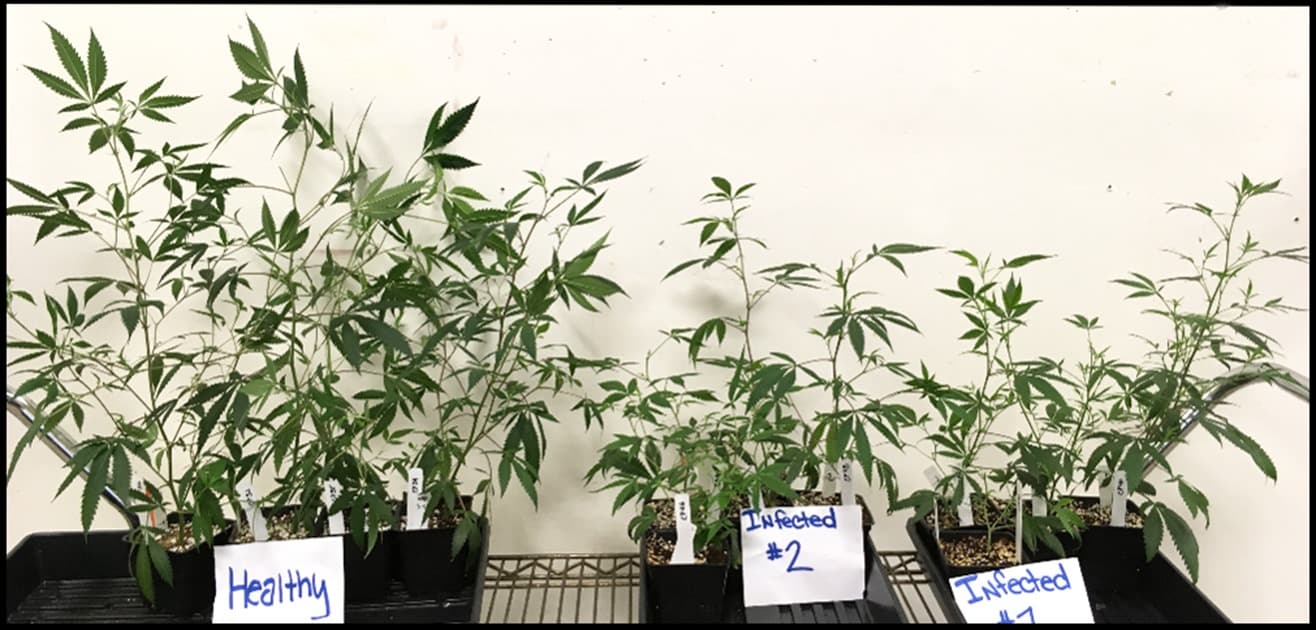
A new threat has emerged for cannabis cultivators in California as the Hop Latent Viroid (HpLVd) spreads through crops, causing significant concerns within the industry. This viroid, smaller than a virus, has been particularly difficult to detect due to its asymptomatic nature in many plants. However, once symptoms appear, they can lead to a 30% reduction in plant growth and a similar decrease in flower production, impacting the potency and profitability of cannabis plants
The HpLVd was first identified in cannabis by Dark Heart Nursery in 2017, and since then, it has been found in numerous operations across the state. According to research conducted by the nursery, infection rates in some facilities range from 25% to 50%, resulting in estimated annual losses of $44 million. This significant economic impact is exacerbated by the lack of a cure for infected plants, highlighting the urgency for effective preventive measures
Maintaining strict hygiene practices has become the primary defense against the spread of HpLVd. Cultivators are advised to meticulously clean their tools and avoid cross-contaminating plants by touching infected plants and then healthy ones. Humboldt Seeds emphasizes the importance of such practices to prevent the viroid from spreading further within crops, which could otherwise lead to devastating losses
While some companies like 2Fast4Buds are exploring treatment options, these methods are still experimental and involve complex procedures such as cutting and soaking plant sections in fungicide solutions. These treatments require careful testing on a small scale before they can be deployed more broadly, indicating that widespread solutions are not yet available to combat the viroid effectively
The cannabis industry in California, known for its prolific cultivation and cloning practices, faces a challenging road ahead as it grapples with the HpLVd threat. The situation underscores the need for ongoing research and innovation to protect crops and ensure the sustainability of the cannabis market. As cultivators navigate these challenges, collaboration and knowledge sharing will be crucial in developing strategies to mitigate the impact of this viroid