Lithuania Legalizes Hemp-Derived CBD Production and Sales to Boost Economy
Lithuania legalizes hemp-derived CBD production and sales, opening new economic opportunities and revitalizing its agricultural sector
Key Points
- 1Lithuania legalizes hemp-derived CBD production and sales
- 2Seimas approves amendments for hemp with less than 0.2% THC
- 3New law could boost Lithuania's CBD market to 100 million euros annually
- 4Hemp industry expected to recover from a 42% production decline
- 5Legislation aligns Lithuania with broader European cannabis trends
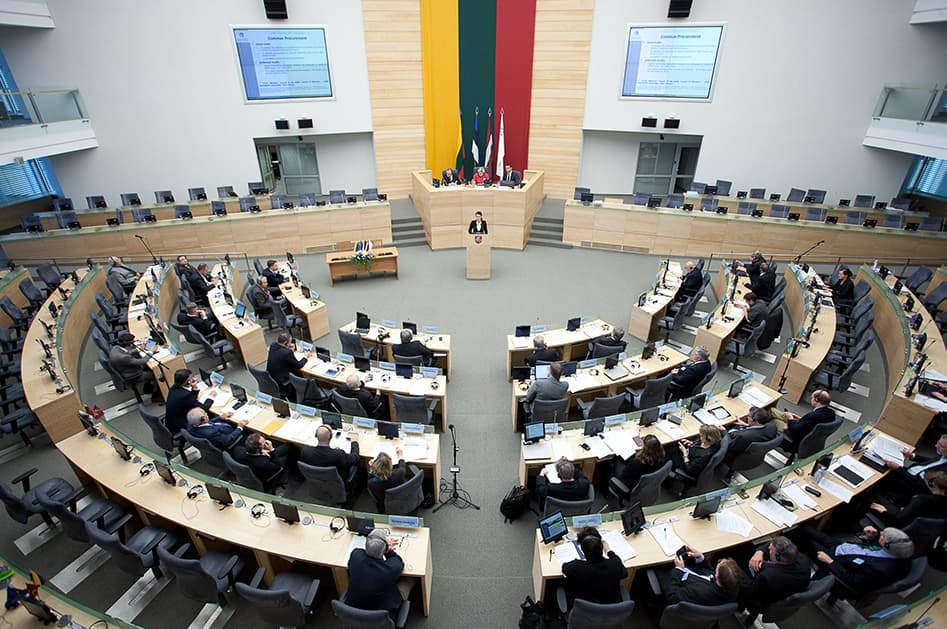
Lithuania has taken a significant step in the cannabis industry by legalizing the production and sale of hemp-derived CBD products. This decision was made by the Seimas, Lithuania's parliament, which approved amendments permitting hemp cultivation and the sale of its derivatives, provided they contain less than 0.2% THC. Previously, the production of CBD was prohibited, and the country exported all its hemp harvests, which increased costs due to transportation
The legalization is expected to benefit Lithuania's economy significantly. As one of the largest hemp producers in the European Union, Lithuania's ability to produce and sell CBD domestically opens new economic opportunities. Mykolas Majauskas, a member of the parliamentary majority, expressed optimism about the potential for job creation and increased export capabilities. The domestic market now has access to locally produced hemp, potentially reducing costs and boosting local businesses
Lithuania's hemp cultivation spans 5,000 hectares, and this new legislation could substantially increase production. If Lithuania were the size of France, it would produce three times more hemp than the current leading European producer, France. The new law is projected to elevate the Lithuanian CBD market to an estimated 100 million euros annually, representing 10% of the country's agricultural revenue
The move to legalize CBD production is also seen as a way to revive the declining hemp industry in Lithuania. Since 2019, hemp production has decreased by 42%, but the ability to extract all parts of the plant for CBD could incentivize farmers to increase cultivation. This development is expected to stimulate the agricultural sector and provide a new revenue stream for farmers
Looking forward, Lithuania's decision to embrace the CBD market aligns with broader European trends towards cannabis legalization. This legislation not only positions Lithuania as a competitive player in the EU hemp market but also aligns with global shifts in cannabis policy. As the country adapts to these changes, it could serve as a model for other nations considering similar moves