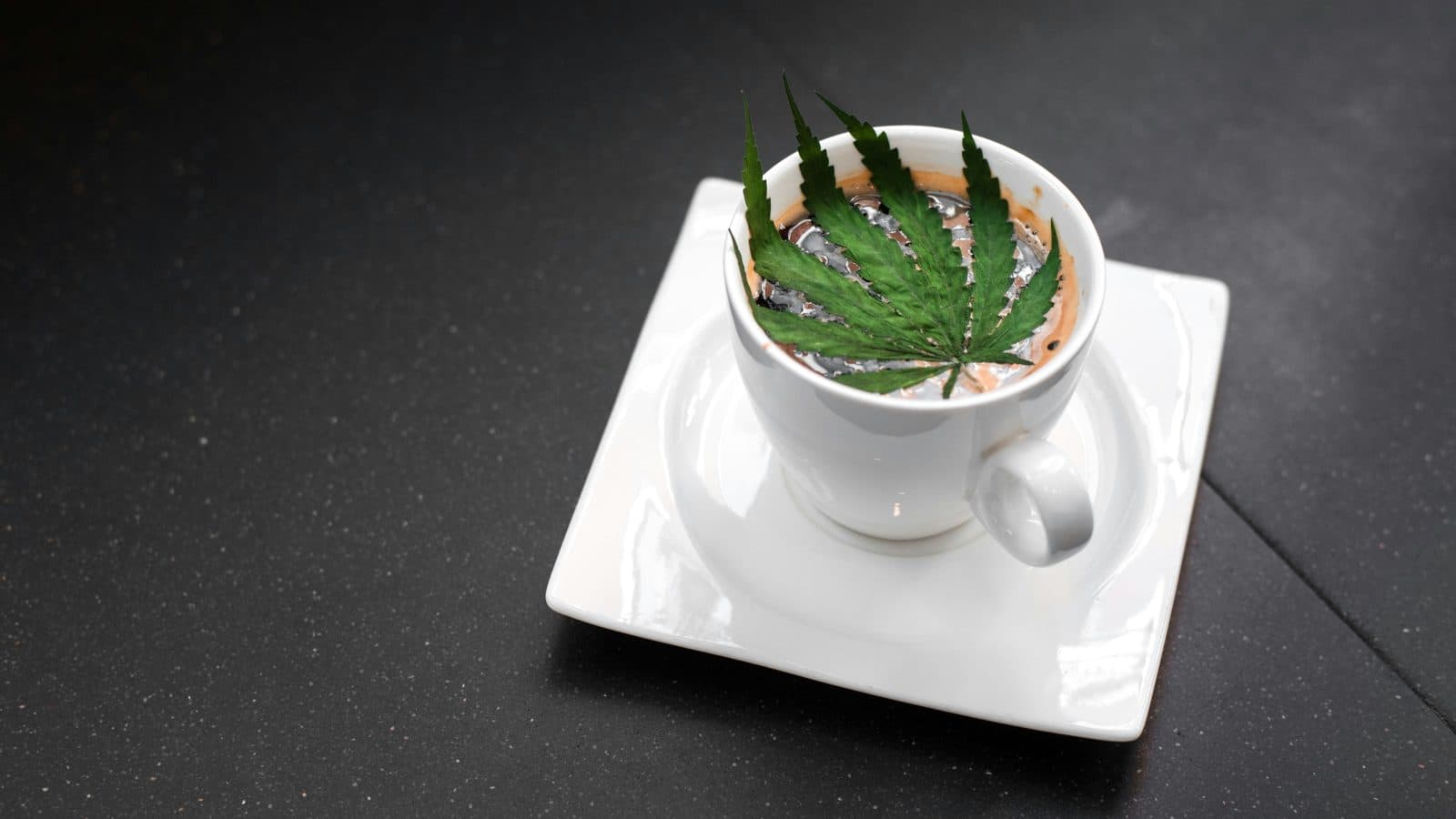
Massachusetts Legalizes Cannabis Cafes, Paving Way for Social Consumption
Massachusetts has legalized cannabis cafes, allowing public consumption under new regulations. However, local municipalities must opt-in, delaying the opening of such venues
Key Points
- 1Massachusetts legalizes cannabis cafes with new 'social consumption' licenses
- 2Local municipalities must opt-in for cafes to open, delaying immediate rollout
- 3Three license types are available: supplemental, hospitality, and event organizer
- 4Strict regulations prohibit mixing cannabis with alcohol or tobacco sales
- 5Cannabis cafes offer legal consumption spaces for renters and visitors
Massachusetts has officially legalized cannabis cafes, marking a significant shift in the state's approach to cannabis consumption. As of January 2, new regulations allow for the issuance of 'social consumption' licenses, enabling adults to enjoy cannabis in public settings. This move comes after extensive debates and legislative processes, positioning Massachusetts among a growing number of states embracing public cannabis use
Despite the new regulation, the immediate rollout of cannabis lounges is not expected. The implementation involves a complex process including application reviews, municipal approvals, and regulatory guidance. Local governments must opt-in to allow these establishments, meaning the presence of cafes will vary by location. Thus, while the state has opened the door, municipalities hold the key to unlocking these new venues
The state has outlined three types of licenses to facilitate social consumption: supplemental licenses for existing cannabis businesses, hospitality licenses for new or non-cannabis businesses, and event organizer licenses for temporary consumption events. These avenues aim to expand the cannabis ecosystem beyond traditional dispensaries, making it more accessible to the public. However, strict regulations prohibit the mixing of cannabis with alcohol or tobacco sales, ensuring a controlled environment
The introduction of cannabis cafes is particularly significant for renters and visitors, who often face restrictions on where they can legally consume cannabis. The new rules ensure that social consumption venues are equipped with protocols to manage overindulgence, similar to practices in mainstream hospitality. The Massachusetts Cannabis Control Commission is expected to play a crucial role in the upcoming months as businesses begin applying for licenses and municipalities decide on their participation