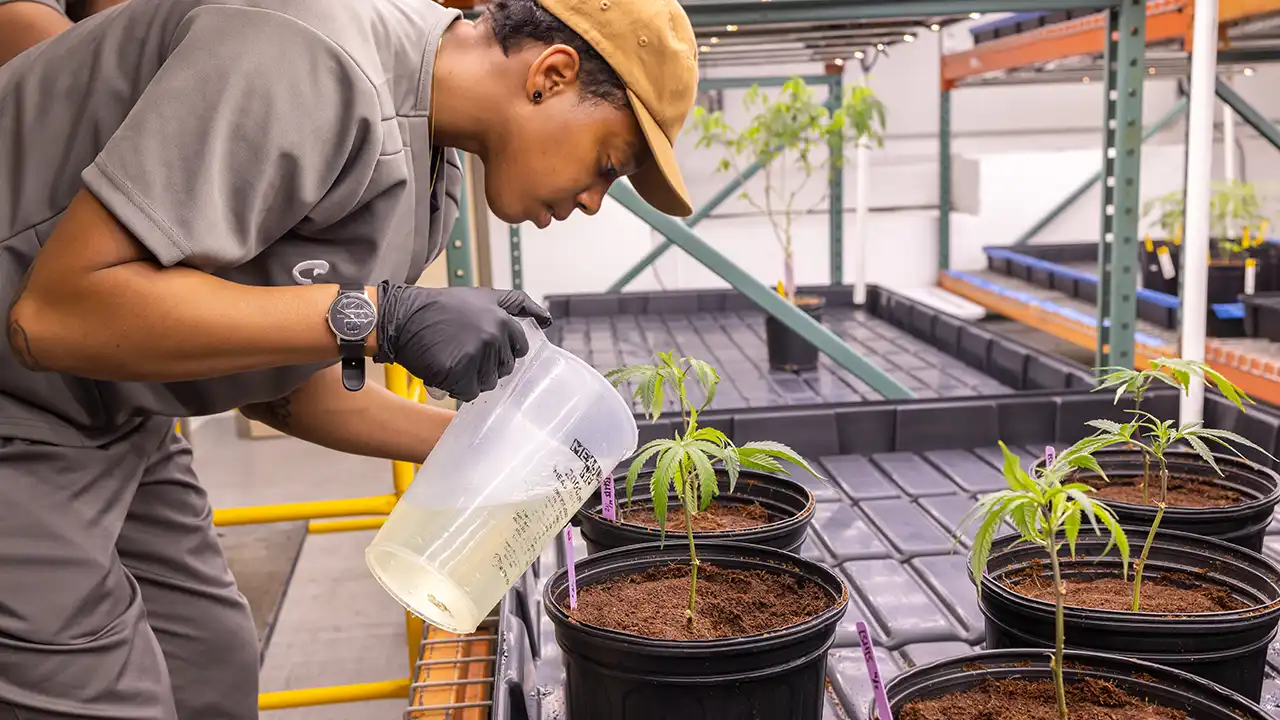
Missouri Cannabis Company Faces $3 Million Payout Amid Asthma Risks
A Missouri cannabis company has been ordered to pay $3 million to a former consultant following a severe asthma attack linked to cannabis dust exposure, highlighting significant health risks in the industry
Key Points
- 1Blue Arrow ordered to pay $3 million after consultant's asthma attack
- 2Research highlights high asthma risk among cannabis workers
- 3At least two worker deaths linked to cannabis dust exposure
- 4OSHA fined Trulieve $350,000 for a related worker death
- 5Industry urged to improve safety protocols to protect workers
A St. Louis-based cannabis company, Blue Arrow, has been ordered to pay $3 million to a former consultant, Mark Avent, who suffered a severe asthmatic reaction leading to a heart attack. This legal decision highlights the emerging health risks associated with cannabis cultivation and manufacturing. The incident occurred when a lab technician mishandled equipment, dispersing fine marijuana dust into the air, which Avent inhaled, triggering his asthma and subsequent cardiac arrest
Recent research published in the Journal of Occupational and Environmental Medicine underscores the dangers faced by cannabis workers, who are increasingly developing workplace-related asthma. The study notes that at least 30 workers in four states have been diagnosed with asthma due to exposure to cannabis plant materials, with the actual number likely higher due to underreporting. Tragically, the condition has led to the deaths of at least two workers, one in Massachusetts in 2022 and another more recently in California
The Massachusetts incident involved a 27-year-old worker at Trulieve Cannabis Corp., who experienced breathing difficulties and later died of cardiac arrest. An OSHA report attributed her death to "the hazards of ground cannabis dust," resulting in a $350,000 fine for the company. This case, along with the recent ruling against Blue Arrow, highlights the critical need for improved safety measures in the cannabis industry to protect workers from such occupational hazards
Kenneth Rosenman, a professor at Michigan State University and one of the study's authors, emphasized the preventable nature of these incidents. He recounted how the Massachusetts worker had repeatedly sought medical help for her breathing issues without receiving adequate advice or restrictions. Rosenman’s comments point to a broader systemic issue within the industry, where workers' health complaints may not be taken seriously enough, leading to severe consequences
As the cannabis industry continues to grow, the importance of addressing workplace safety cannot be overstated. Companies must implement stringent safety protocols and ensure that employees are adequately protected from potential hazards like cannabis dust exposure. This recent legal case and ongoing research serve as a wake-up call for the industry to prioritize worker health and safety, potentially preventing future tragedies