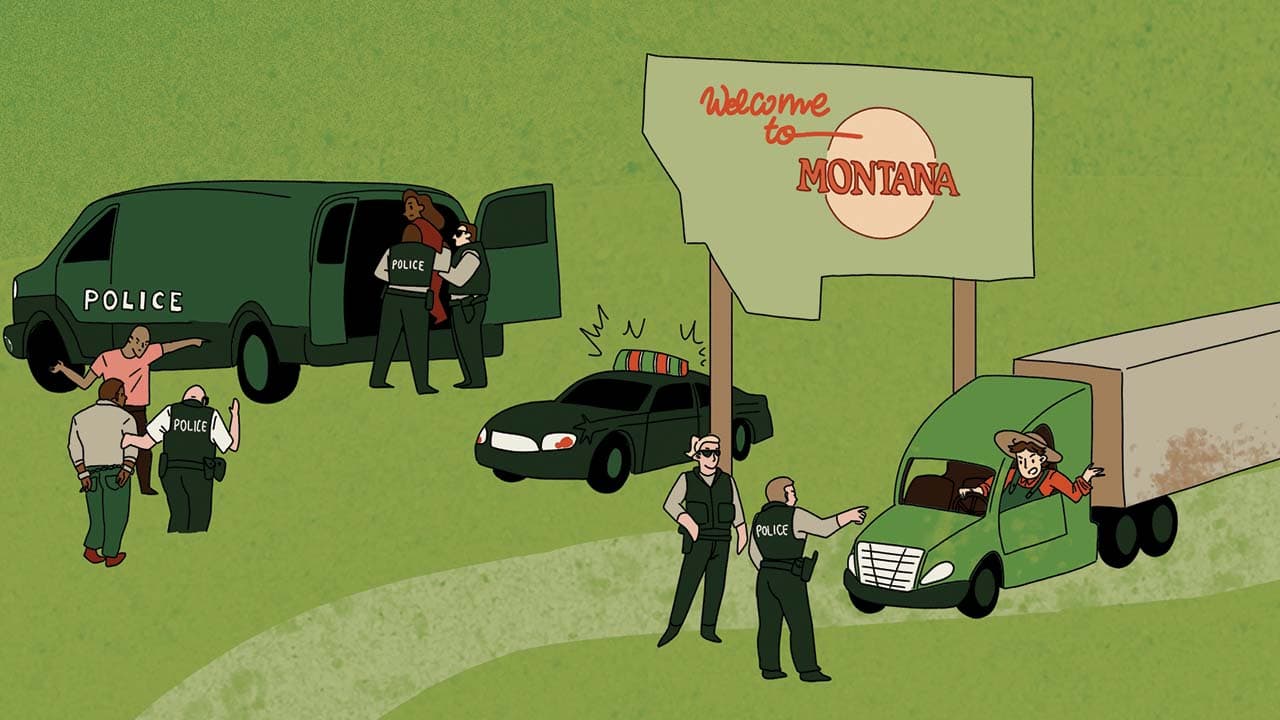
Navigating Legal Uncertainties: The Future of Cannabis Interstate Commerce
Legal experts like Riana Durrett explore the potential of the dormant commerce clause to enable interstate cannabis trade, offering an alternative to federal rescheduling. As the industry navigates legal uncertainties, operators must prepare for both incremental changes and sudden shifts
Key Points
- 1Riana Durrett explores using the dormant commerce clause for interstate cannabis trade
- 2Legal ambiguity persists as Congress has not federally legalized cannabis
- 3Operators must navigate complex legal landscapes and prepare for regulatory changes
- 4Durrett advises against relying on major federal shifts, suggesting a focus on adaptability
- 5Slow reforms, like consumption lounges, highlight challenges in the cannabis industry
The cannabis industry is at a crossroads as legal experts, such as Riana Durrett from the University of Nevada Las Vegas Cannabis Policy Institute, explore the potential of leveraging the U.S. Constitution's dormant commerce clause to facilitate interstate cannabis trade. This approach offers an alternative path to the anticipated federal rescheduling of marijuana, which remains uncertain under the current administration. Durrett is set to discuss these possibilities at an upcoming MJBizCon panel, highlighting the complexities and risks involved in testing these legal boundaries
The dormant commerce clause, part of the U.S. Constitution, prevents states from implementing protectionist measures that discriminate against out-of-state commerce. Although Congress holds the power to regulate interstate trade, it has yet to legalize cannabis at the federal level. This legal ambiguity leaves room for debate about whether states could allow interstate cannabis sales. Durrett believes that while there is a legal basis for such commerce, the risks and potential repercussions deter many operators from pursuing this avenue
Despite the legal uncertainty, cannabis operators are compelled to navigate a complex landscape of state and federal laws. This environment has inadvertently turned many business owners into legal experts as they strive to develop viable and profitable business strategies. The inconsistency between widespread public support for cannabis reform and the lack of federal action creates additional challenges, leaving operators to speculate on the future regulatory landscape
Durrett remains cautiously optimistic about the potential for incremental changes in cannabis legislation. She advises against relying on major federal shifts, such as downgrading cannabis' status, which has been speculated but not realized. Instead, she suggests that operators prepare for both slow legislative evolution and the possibility of sudden changes. This pragmatic approach is essential for businesses aiming to remain adaptable and successful in a volatile market
The slow progress in legal reforms, such as the legalization of cannabis consumption lounges, exemplifies the challenges faced by the industry. While Massachusetts moves towards allowing onsite consumption, the economic impact of such changes is uncertain, as evidenced by Nevada's experience. Durrett emphasizes the need for operators to remain vigilant and adaptable, ready to pivot their business models as the legal and regulatory environment evolves