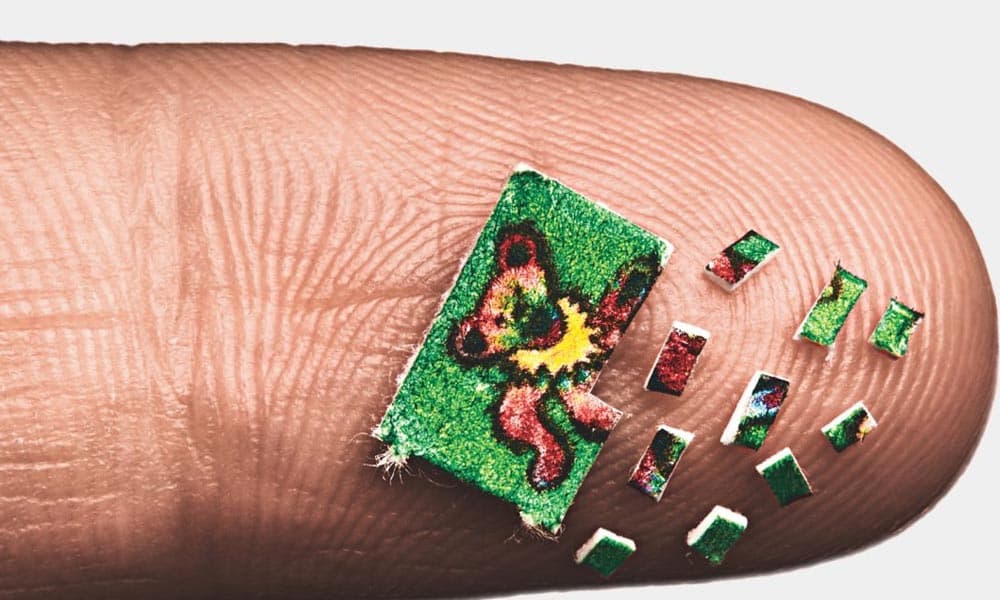
New Zealand Approves First-Ever LSD Microdosing Study
New Zealand researchers receive approval to study LSD microdosing, aiming to scientifically assess its effects on mood, cognition, and well-being
Key Points
- 1University of Auckland to conduct first LSD microdosing study
- 2Study aims to measure effects on mood, cognition, and well-being
- 3Participants will take microdoses at home under controlled conditions
- 4Research could lead to broader acceptance of psychedelics in therapy
- 5Study initially involves 40 male participants, with potential expansion
Researchers from the University of Auckland have been granted final approval by the New Zealand government to conduct a groundbreaking study on LSD microdosing. This marks the first scientific exploration into the effects of taking small, controlled doses of LSD, aiming to assess its impact on mood, cognition, and overall well-being. The initiative reflects a growing interest in understanding the potential benefits of psychedelics without the full psychoactive effects
Microdosing involves consuming very small amounts of a substance to harness its cellular effects while avoiding noticeable psychoactive experiences. This practice has gained popularity, particularly in Silicon Valley, where individuals claim it enhances sensory perception, problem-solving abilities, and creativity. Despite its rising trend, scientific validation of these claims has been limited due to the legal status of LSD in many countries
Suresh Muthukumaraswamy, the lead researcher, emphasized the study's focus on measuring improvements in mood, attention, and cognition reported by users. Participants will take microdoses at home under strict prescription guidelines, providing a realistic assessment of microdosing's effects in everyday life. This approach contrasts with traditional studies requiring participants to remain in supervised environments
Allowing participants to use LSD in their natural settings is a novel aspect of this study. Typically, LSD research mandates a controlled environment to monitor effects, similar to LSD-assisted psychotherapy sessions conducted in clinical settings. The study's design reflects the hypothesis that microdosing can enhance daily life without disrupting normal functioning, thus justifying the at-home approach
Initially, the study will involve 40 male participants, with plans to expand pending further funding. The research team aims to incorporate advanced techniques such as brain imaging and clinical trials to deepen the understanding of LSD's effects. This study could pave the way for broader acceptance and integration of psychedelics in therapeutic contexts, contingent on successful outcomes and additional research