Oregon State University Researchers Propose Standardized Cannabis Aroma Lexicon
Researchers at Oregon State University have developed a standardized vocabulary for describing cannabis aromas, aiming to enhance consumer understanding and market transparency
Key Points
- 1OSU researchers propose a standardized cannabis aroma vocabulary
- 2Study involved 24 participants evaluating 91 cannabis samples
- 3Research highlights limitations of using chemical composition for aroma quality
- 4Study aims to guide breeding efforts and optimize production methods
- 5Future studies will expand lexicon and consider additional variables
In a groundbreaking study, researchers from Oregon State University (OSU) have proposed a standardized vocabulary for describing the aromas of cannabis and hemp. This initiative aims to fill a significant knowledge gap in the cannabis industry, where aroma has been largely overlooked as a quality metric due to federal restrictions limiting research. Traditionally, cannabis quality has been assessed based on potency, which carries potential health risks. "Aroma plays a key role in how consumers judge cannabis quality, yet until now there’s been no standardized language to describe it," said Tom Shellhammer, a professor of food science and technology at OSU. The study, published in PLoS One, provides a framework for a shared vocabulary that could benefit consumers, retailers, and growers alike
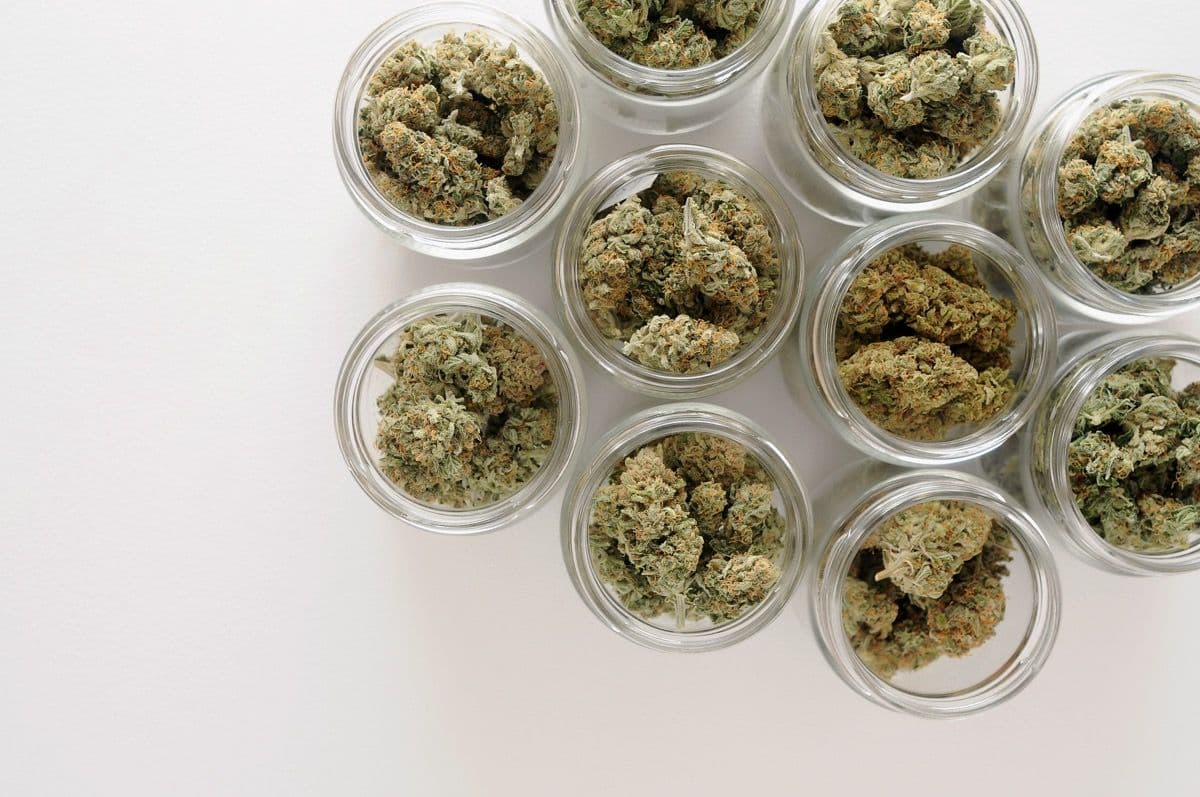
The study involved a panel of 24 participants aged between 21 and 70, who evaluated the aroma of 91 cannabis samples. These samples were categorized into type I (THC dominant) and type III (CBD dominant) and were sourced from three different U.S. states and Switzerland. Panelists, drawn from OSU's sensory evaluation panels and cannabis retailers, underwent training to familiarize themselves with aroma standards before assessing the samples. The study employed a lexicon of 25 descriptive words, such as fruity, woody, musty, and chemical, which were initially gathered from comments made by judges at the 2020 Cultivation Classic, a commercial cannabis competition
The research also included a detailed analysis of terpene and volatile sulfur compound (VSC) compositions. While terpene analysis was conducted by a commercial laboratory, VSC analysis took place at OSU. The study highlighted the limitations of relying solely on chemical composition to assess aroma quality, suggesting that a standardized lexicon could lead to more informed cultivar descriptions and a more transparent marketplace. "These results emphasize the limitations of chemical composition as a proxy for aroma quality," the researchers noted
The implications of this study are significant for the cannabis industry, which is transitioning from unregulated to legal frameworks. As the industry evolves, providing consumers with tools to assess product quality beyond just potency and terpene content becomes increasingly important. The researchers emphasized the need for future studies to expand the lexicon further, incorporating additional descriptive words like grassy, pine, and sandalwood. They also suggested including more inflorescence samples and considering variables such as farm origin, harvest maturity, drying methods, storage, and trimming style
Ultimately, the study's findings contribute to ongoing efforts to develop a comprehensive vocabulary for cannabis aromas. "As the lexicon presented here is further expanded and built upon with a more globally representative sample set, the attributes present can become more expansive and representative of the wide array of Cannabis aromas," the researchers concluded. Such insights are expected to guide breeding efforts and optimize production methods, enhancing the aromatic and experiential quality of cannabis products. Tom Shellhammer further stated, "This work begins to lay the foundation for offering consumers tools for assessing product quality beyond terpenes and THC."