South Park's Randy Marsh Reflects Cannabis Industry's Complexities
South Park's Randy Marsh mirrors the complexities of the cannabis industry, evolving from a vibrant character to a profit-driven caricature
Key Points
- 1Randy Marsh's transformation mirrors the cannabis industry's challenges
- 2Tegridy Farms storyline critiqued modern cannabis trade
- 3Randy's character became a critique of corporate greed in cannabis
- 4Fans criticized the repetitive focus on Tegridy Farms
- 5Creators shifted focus, hinting at a new chapter for Randy
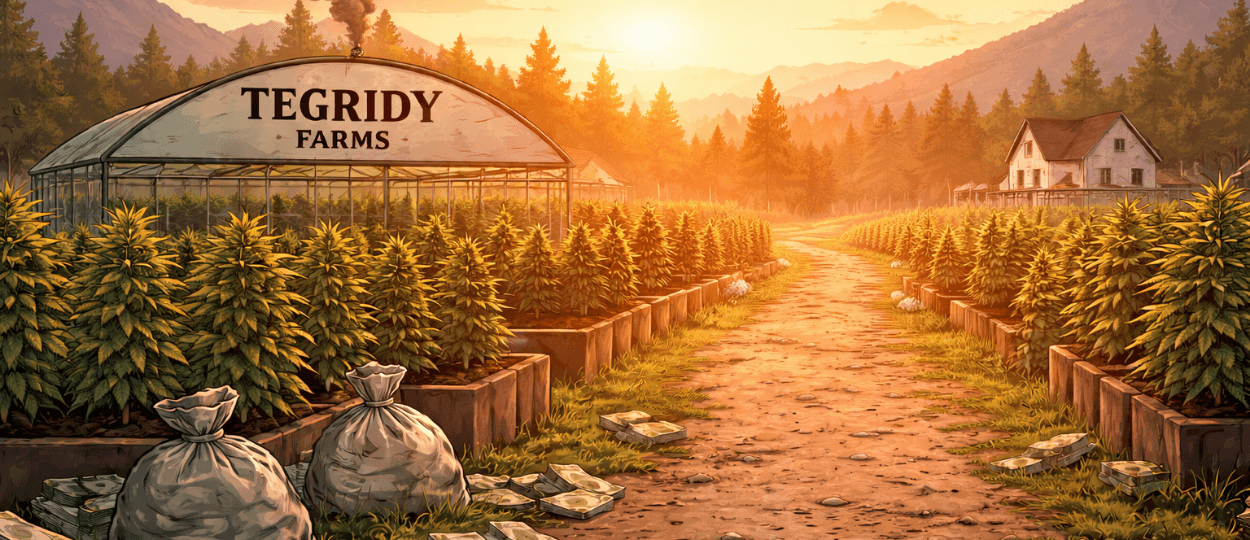
In the satirical world of South Park, Randy Marsh has long been a character of unpredictable antics. However, his transformation through the Tegridy Farms saga has mirrored the complexities and challenges of the modern cannabis industry. What began as a humorous exploration of a suburban dad's foray into cannabis farming evolved into a sharp critique of the industry's pitfalls, ultimately reducing Randy to a caricature driven by profit rather than the vibrant personality he once was
Tegridy Farms was introduced in season 22 of South Park, marking a significant shift in the show's narrative focus. Randy Marsh, in a bid to escape modern life, moved his family to the countryside to grow weed, sparking a storyline that lasted nearly seven years. This plotline allowed creators Trey Parker and Matt Stone to satirize the burgeoning cannabis trade, often highlighting the absurdity and challenges faced by those in the industry, including regulatory hurdles and corporate greed
Randy's character became emblematic of the industry's darker side. His journey from an ordinary suburban dad to a money-driven cannabis entrepreneur reflected the shift from grassroots activism to aggressive corporatism within the real-world cannabis market. Episodes depicted him grappling with regulatory challenges, addiction, and unethical business practices, mirroring the broader industry's struggles with profitability and ethical dilemmas
The creators' focus on Tegridy Farms led to a creative impasse, as Randy's character became defined by his association with the cannabis industry. This narrative choice drew criticism from fans and critics alike, who felt that Randy's character had lost its original charm and humor. The storyline began to feel repetitive, with Randy's antics becoming predictable and less engaging, prompting calls for a return to the show's roots
Recently, South Park's creators shifted their focus away from Tegridy Farms, signaling a potential return to form for Randy Marsh. His departure from the cannabis business, driven by a lack of profitability and personal sacrifice, suggests a new chapter for the character. As he explores new obsessions and storylines, fans hope for a revival of the unpredictable and multifaceted Randy they once knew, free from the constraints of a single narrative focus