Soviet Drug Policies: Historical Context and Modern Implications
The Soviet Union's historical drug policies reveal a complex interplay of ideology and control, with modern implications under Putin's regime
Key Points
- 1Soviet drug policies combined punitive measures and preventive care
- 2Drug use in Russia increased post-World War I due to Central Asian influences
- 3Gorbachev's glasnost era brought drug issues to public attention
- 4The Afghan-Soviet War worsened drug problems among soldiers
- 5Modern Russian drug policies under Putin are heavily criticized
The Soviet Union's approach to drug policy was complex, shaped by both ideological and practical concerns. Despite the government's attempts to control various aspects of life, drug use persisted throughout the USSR's existence. Initially, the Soviet regime adopted a dual strategy of punitive measures and preventative care to manage substance abuse, reflecting its broader socio-economic goals
Historically, drug use in Russia has roots in the czarist era, when alcohol was the predominant vice due to the state's monopoly on vodka. However, the expansion into Central Asia introduced Russians to opium and hashish, leading to increased drug consumption during and after World War I. The Soviet government initially viewed addiction as a moral failing, but later shifted to a Marxist interpretation, attributing it to socio-economic conditions
In the 1920s, the Soviet authorities implemented strict regulations on narcotics, while also establishing rehabilitation clinics. These clinics offered a mix of questionable treatments and therapeutic activities, aiming to isolate addicts from negative influences. Despite these efforts, reliable data on drug abuse remained scarce, partly due to the propagandist nature of state reporting during Stalin's regime, which claimed near-elimination of narcotics under his leadership
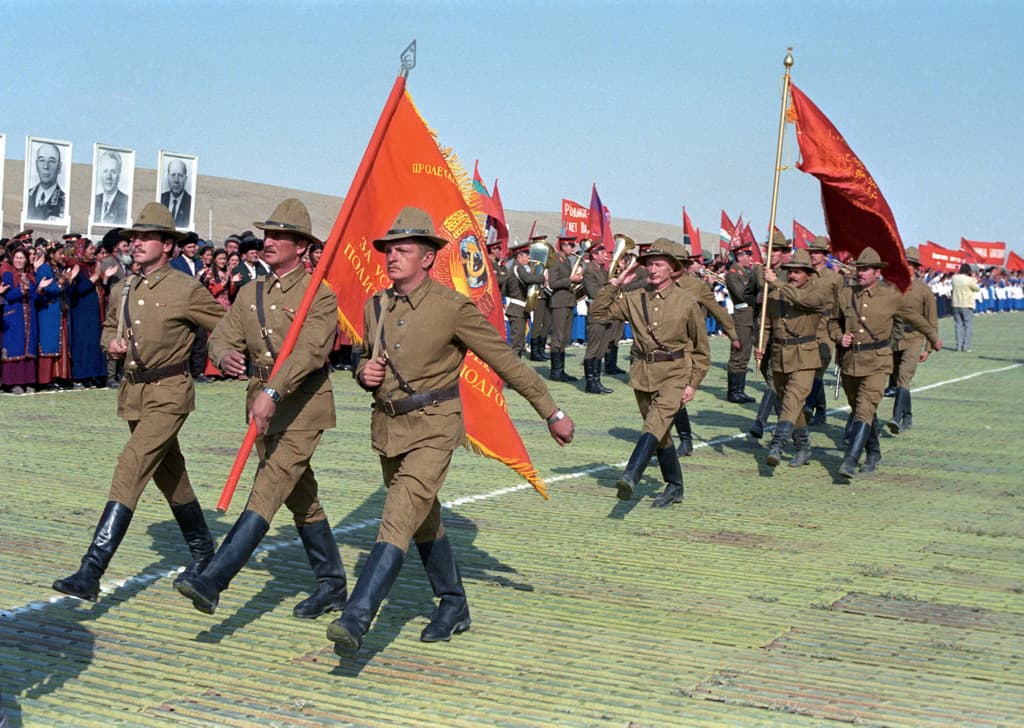
The situation evolved significantly during Mikhail Gorbachev's era, as his policies of glasnost and perestroika brought drug issues into public discourse. Gorbachev's administration recognized addiction as a national issue, prompting widespread discussions and policy shifts. However, the Afghan-Soviet War exacerbated drug problems, as soldiers stationed in Afghanistan had easy access to drugs, which they often brought back to the USSR
Following the collapse of the Soviet Union, Russia's drug landscape changed dramatically. The political and economic instability of the 1990s allowed the drug trade to flourish, with some criminals ascending to the level of oligarchs. Today, under Vladimir Putin's leadership, Russia's drug policy remains contentious, criticized for being overly punitive and politically charged. This approach mirrors other global 'war on drugs' strategies, often prioritizing control over public health