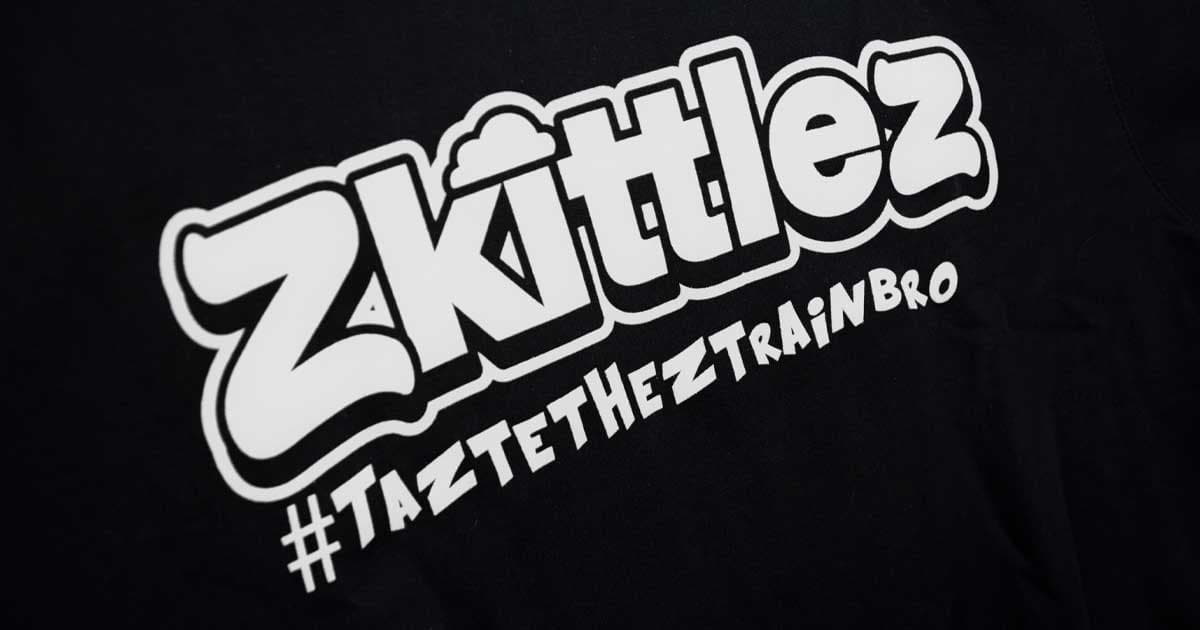
Terphogz Agrees to Cease Using 'Zkittlez' Name Following Trademark Dispute
Terphogz LLC agrees to stop using 'Zkittlez' name after Wrigley's trademark infringement lawsuit, marking a significant legal victory for the candy maker
Key Points
- 1Terphogz LLC agrees to cease using 'Zkittlez' name
- 2Wrigley sued Terphogz for trademark infringement
- 3The settlement requires Terphogz to relinquish zkittlez.com
- 4The case highlights branding challenges in the cannabis industry
- 5Future trademark disputes may be influenced by this ruling
In a landmark legal decision, Terphogz LLC, the company behind the cannabis brand Zkittlez, has agreed to a permanent injunction prohibiting the use of the names Skittles, Zkittlez, or similar terms in their product marketing. This development follows a lawsuit initiated by Wrigley, the maker of the popular Skittles candies, who accused Terphogz of trademark infringement. The agreement, reported by Reuters, marks a significant victory for Wrigley in protecting its brand identity
The legal battle began in May 2021 when Wrigley, a subsidiary of Mars Inc., filed a lawsuit against Terphogz, alleging that the cannabis company was unlawfully capitalizing on the Skittles brand's established reputation. Wrigley argued that Terphogz's use of names and slogans similar to Skittles, such as "Taste the Z Train" and "Taste the Strain Bro," confused consumers and violated trademark rights. A judge dismissed Terphogz's attempt to have the case thrown out in November 2021, leading to ongoing legal proceedings
As part of the settlement, Terphogz has also agreed to relinquish the domain name zkittlez.com, although it retains the right to use the letter 'Z' as long as it does not cause confusion with the Skittles brand. The company has already begun using "The Original Z" on its packaging to distinguish its products. This resolution still requires court approval, and representatives from both Wrigley and Terphogz have yet to comment publicly on the settlement
The case highlights the increasing legal challenges faced by cannabis companies as they navigate branding in a rapidly growing market. Similar disputes have arisen in the past, such as with strains like Girl Scout Cookies and Gorilla Glue, which were also forced to rebrand following legal action. These cases underscore the importance of establishing unique brand identities in the cannabis industry to avoid costly legal battles
Looking forward, this ruling could set a precedent for future trademark disputes within the cannabis sector, emphasizing the need for clear differentiation in product naming and marketing strategies. As the industry continues to expand, companies may need to exercise greater caution in brand development to avoid infringing on established trademarks. The outcome of this case may encourage other companies to proactively review and potentially alter their branding to prevent similar legal conflicts