THCA Shows Promise as Treatment for Neurodegenerative Diseases
THCA may provide a promising treatment for neurodegenerative diseases, offering hope for conditions like Alzheimer's and Parkinson's, according to recent research
Key Points
- 1THCA shows promise in treating neurodegenerative diseases
- 2Over a million people in France are affected by such conditions
- 3Research highlights THCA's neuroprotective properties in mice
- 4THCA could lead to new cannabis-based therapies
- 5Further studies are needed to explore THCA's full potential
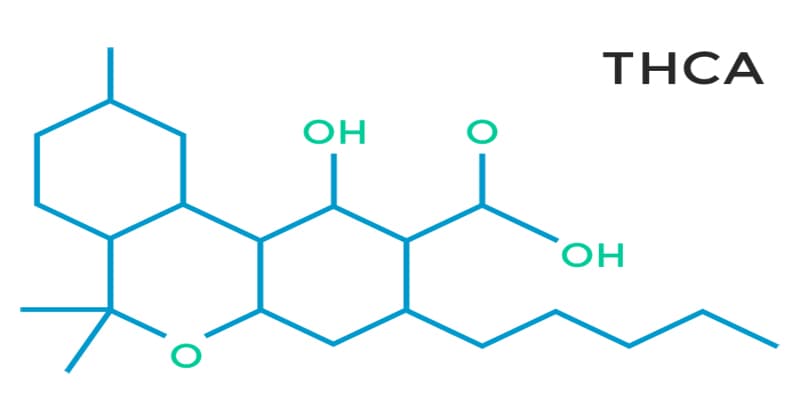
Recent research published in the British Journal of Pharmacology highlights the potential of tetrahydrocannabinolic acid (THCA) in treating neurodegenerative diseases such as Alzheimer's and Parkinson's. Unlike its psychoactive counterpart THC, THCA is non-intoxicating and is present in cannabis before it undergoes decarboxylation. This study suggests that THCA could offer a therapeutic alternative for patients suffering from debilitating neurological conditions
Neurodegenerative diseases affect over a million individuals in France, with Alzheimer's impacting approximately 900,000 people and Parkinson's affecting 160,000, according to public health data. The need for effective treatments is urgent as these diseases continue to rise in prevalence. The Spanish study aimed to evaluate the neuroprotective properties of THCA and its interaction with peroxisome proliferator-activated receptors (PPARγ), which are involved in fat metabolism and are present in various tissues
The researchers conducted experiments using mice exposed to the mitochondrial toxin 3-nitropropionic acid (3-NP), which is associated with Huntington's disease. The results indicated that THCA improved neurological deficits in these mice, demonstrating its neuroprotective capabilities. The compound was found to reduce the proliferation of astrocytes and gliosis, which are involved in the support and maintenance of the central nervous system
The study's findings suggest that THCA could be an effective component in treating Huntington's disease and potentially other neurodegenerative and neuroinflammatory conditions. This discovery opens new avenues for research and potential therapeutic applications of cannabis-derived compounds in neurological health. The implications of these findings could lead to more comprehensive studies and eventual clinical trials
Looking forward, the potential for THCA to be integrated into treatment regimens offers hope for those living with neurodegenerative diseases. As research progresses, it may pave the way for new cannabis-based therapies that could improve quality of life for patients. The study's promising results underscore the need for further investigation into the diverse medical benefits of cannabis constituents