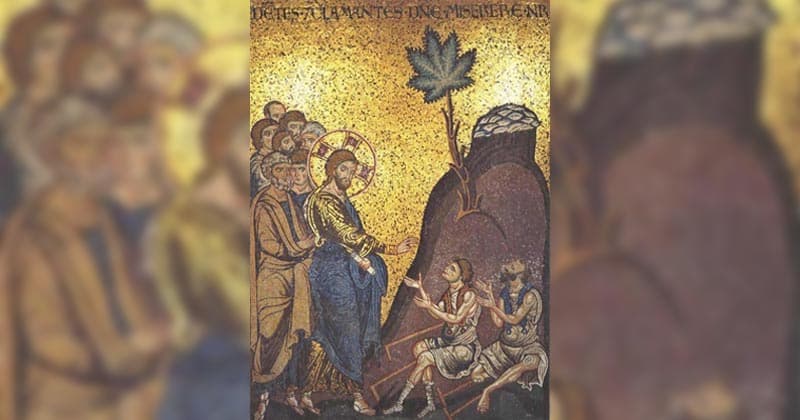
Theological Experts Suggest Cannabis Was Used in Jesus' Healing Rituals
Theological experts propose that cannabis was integral to Jesus' healing rituals, potentially reshaping views on its therapeutic use today
Key Points
- 1Theologians suggest cannabis was used in Jesus' healing rituals
- 2Historical records indicate cannabis was available in biblical times
- 3Exodus 30:22-25 may reference cannabis in holy anointing oil
- 4Cannabis' ancient use could influence modern therapeutic acceptance
- 5The perspective challenges traditional religious interpretations
A growing number of theological experts are proposing that cannabis played a significant role in the healing rituals attributed to Jesus Christ. This controversial perspective challenges traditional religious views and suggests that the ancient use of cannabis could contribute to its modern therapeutic acceptance. Historical documents indicate that cannabis was widely available during Jesus' time, and its medicinal properties were well understood
Historian David Bienenstock posits that some miracles attributed to Jesus may have involved cannabis. He notes that historical records show cannabis cultivation and usage for medicinal purposes during that era. Bienenstock emphasizes that the effectiveness of cannabis oil today is comparable to what could have been used in biblical times, suggesting that the process of infusing cannabis into oil and applying it to the skin was a known practice
Theologians have identified a possible reference to cannabis oil in the Bible, specifically in Exodus 30:22-25. This passage describes a recipe for a holy anointing oil that includes various aromatic spices and olive oil. The term "cane" in some translations is derived from the Hebrew "Keneh Bosem," which many scientists now believe refers to cannabis. This interpretation suggests that the biblical anointing oil could have contained a substantial amount of cannabis, leading to potent effects when used topically
The mention of "aromatic cane" appears not only in Exodus but also in four other instances in the Bible, indicating its potential significance in ancient religious practices. Carl Ruck, a professor of classical mythology at Boston University, supports the idea of cannabis' role in early Judaic rituals. Ruck argues that the longstanding tradition and availability of cannabis would have naturally integrated it into religious mixtures and practices
David Bienenstock further speculates that Jesus himself may have used cannabis, both in his healing rituals and personally. He suggests that Jesus' anointing, described as a transformative psychoactive experience, could have involved cannabis oil. This perspective aligns with the etymology of "Christ," which originates from the Greek word for "anointed one," highlighting the centrality of anointing in Jesus' life and ministry
The implications of these findings extend beyond theology, potentially influencing contemporary views on cannabis use. By acknowledging historical uses of cannabis in religious contexts, there may be a shift towards greater acceptance of its therapeutic applications today. However, this perspective is not without controversy, as it challenges long-held religious beliefs and interpretations. As research continues, the dialogue between historical evidence and modern perceptions of cannabis remains an evolving conversation