Trump Directs Rescheduling of Cannabis to Schedule III Amid Mixed Reactions
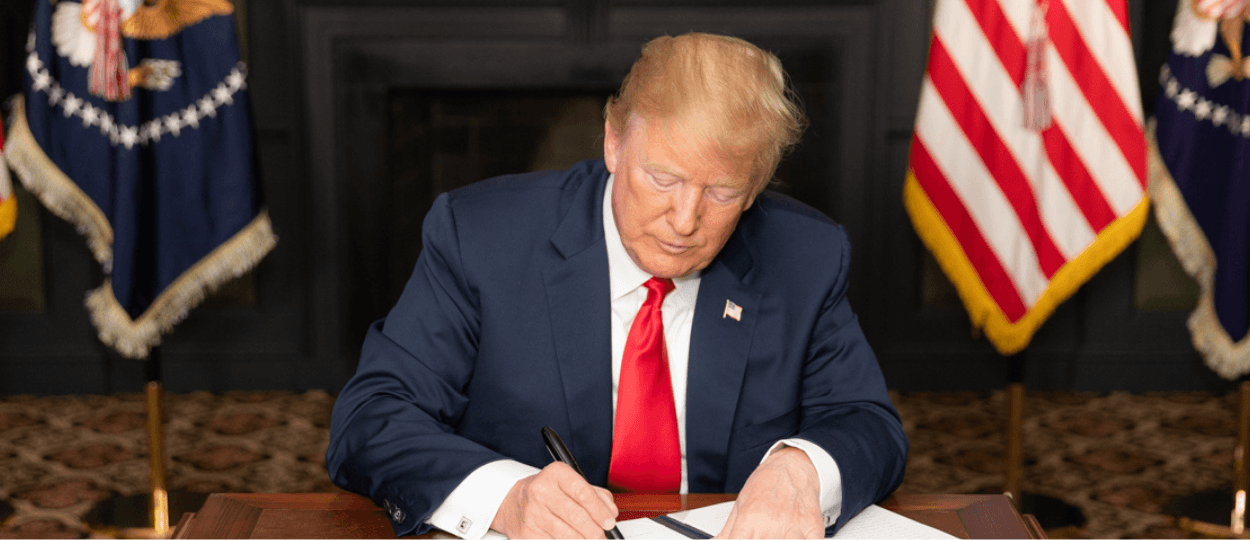
President Trump has signed an executive order to reclassify cannabis to Schedule III, marking a significant shift in federal policy but stopping short of legalization
Key Points
- 1President Trump orders cannabis reclassified to Schedule III
- 2Move aligns federal policy closer to public support for medical cannabis
- 3Reclassification could reduce tax burdens on cannabis businesses
- 4Critics argue rescheduling increases federal oversight without ending prohibition
- 5The decision may influence state cannabis policy debates
In a significant shift in federal cannabis policy, President Trump has signed an executive order to reclassify marijuana from Schedule I to Schedule III under the Controlled Substances Act. This move marks the first time since 1970 that cannabis would not be classified alongside substances with no accepted medical use, such as heroin and LSD. The reclassification acknowledges the medical utility of cannabis, aligning federal policy more closely with public opinion, where a significant majority support medical and even full legalization
During a press conference, Trump emphasized that the executive order does not equate to legalization of marijuana for recreational use. Flanked by health officials, he stated that the decision was driven by a need to address the pain management needs of individuals suffering from chronic conditions. "We have people begging for me to do this," Trump remarked, highlighting the public demand for such a policy shift. Despite the change, cannabis remains illegal under federal law, and the reclassification is seen by some as a compromise rather than a full endorsement of cannabis reform
The reclassification to Schedule III could have substantial financial implications for the cannabis industry. Currently, cannabis businesses face significant tax burdens under IRS code 280E, which prevents them from deducting ordinary business expenses. By moving cannabis to Schedule III, these businesses could see reduced costs, potentially lowering retail prices and encouraging consumers to leave the black market. NORML Executive Director Paul Armentano noted that this change could benefit consumers financially, although it stops short of full legalization
Critics of the reclassification argue that shifting cannabis to Schedule III could lead to increased federal oversight without resolving the issue of prohibition. The Marijuana Policy Project has expressed a preference for descheduling cannabis entirely, which would remove it from the Controlled Substances Act altogether. Adam Smith, the organization's Executive Director, stated that the move is more of a symbolic gesture rather than a solution to the underlying problems of cannabis prohibition
The executive order has sparked debate over its potential impact on state laws and regulations. While some see it as a step forward, others warn of potential legal challenges and regulatory complications. The rescheduling could influence state policy debates, potentially encouraging more states to consider reform. However, the process is expected to face opposition, including from anti-cannabis groups who argue that it sends the wrong message about the safety of marijuana use. The path forward remains uncertain, with advocacy groups continuing to push for broader reforms