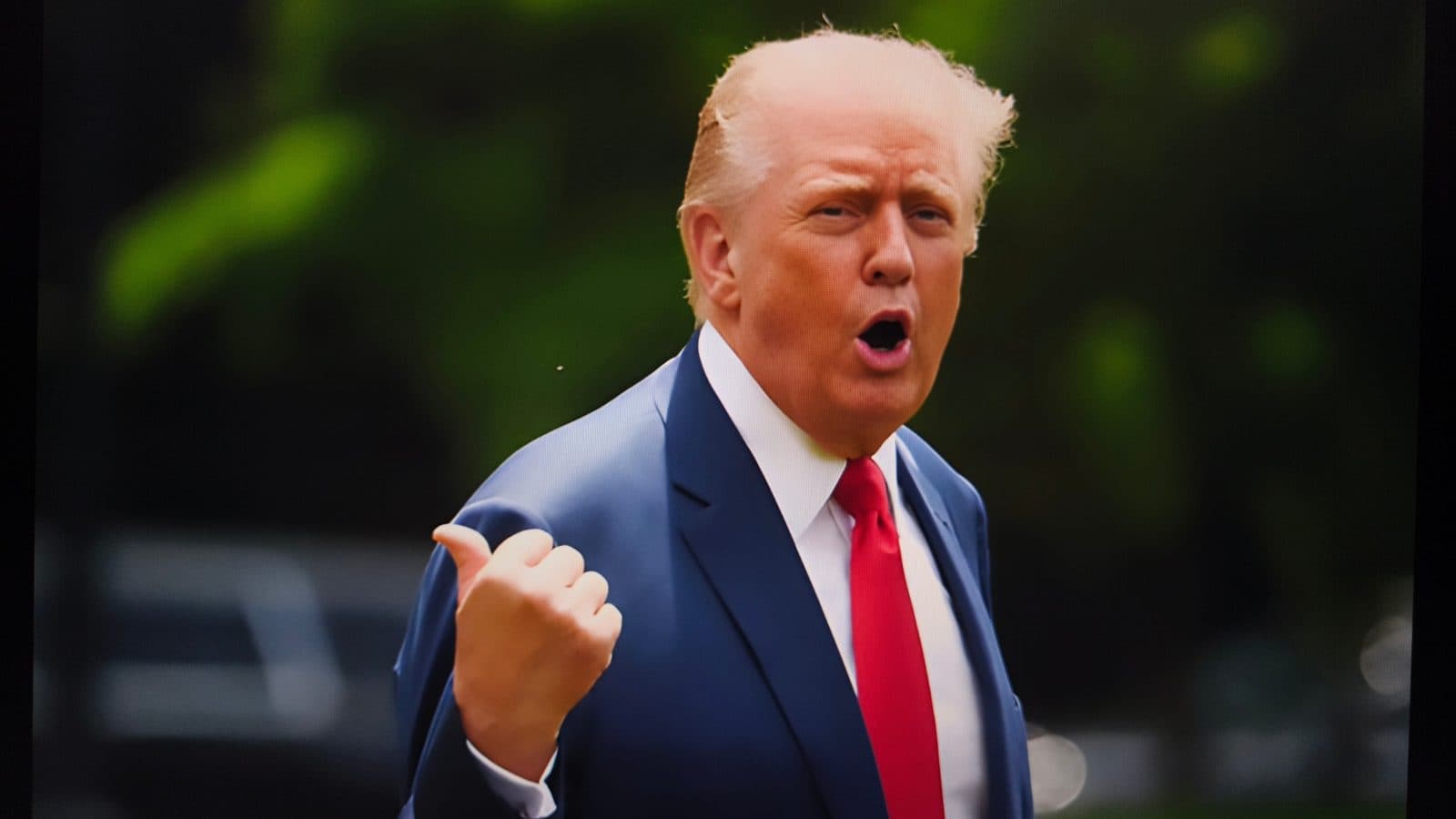
Trump's Cannabis Rescheduling Order Challenges Arizona's Anti-Legalization Efforts
Trump's federal cannabis rescheduling order complicates Arizona Republicans' efforts to end legal marijuana sales, highlighting tensions between state and national policies
Key Points
- 1Trump's rescheduling order challenges Arizona's anti-legalization efforts
- 2The Arizona ballot initiative seeks to end legal cannabis sales
- 3Republican lawmakers in Arizona face complications from Trump's directive
- 4The clash between state and federal cannabis policies is intensifying
- 5The outcome in Arizona could influence national cannabis reform efforts
In a surprising twist in cannabis politics, Arizona Republicans' efforts to dismantle the state's legal marijuana market are facing an unexpected challenge from former President Donald Trump's recent federal rescheduling initiative. Trump's executive order, which directs the attorney general to expedite the reclassification of marijuana from Schedule I to Schedule III under the Controlled Substances Act, has complicated the Republican-led campaign to end commercial adult-use cannabis sales in Arizona. This move underscores the complexities of aligning state and federal cannabis policies
The Arizona ballot initiative, which seeks to halt legal cannabis sales while maintaining possession rights and the medical marijuana program, has sparked significant controversy. While Republican lawmakers like Rep. Paul Gosar support the initiative, they acknowledge the difficulties Trump's rescheduling directive introduces. Gosar noted the challenge of maintaining the campaign's momentum in light of the president's influence, as his directive could shift the narrative around cannabis towards greater medical acceptance
Rep. Andy Biggs, another Arizona Republican, echoed similar sentiments, emphasizing the importance of federal control over cannabis. He argues that prohibition could reduce taxpayer expenses related to cannabis use. Yet, Biggs also questioned the potential impact of Trump's rescheduling move, highlighting the ongoing tension between state-level initiatives and national policy shifts
The broader implications of this clash extend beyond Arizona. The state's 2020 voter-approved legalization reflects a national trend towards acceptance, which is now being tested by anti-cannabis activists aiming to separate personal use from commercial markets. Trump's rescheduling effort, while not full legalization, complicates these efforts by introducing a new federal dynamic that challenges the anti-legalization narrative
As the Arizona campaign races to gather the necessary signatures to qualify for the November ballot, the future of cannabis legalization in the state remains uncertain. The outcome will likely influence broader reform efforts across the country, as stakeholders consider whether future changes will be driven by public support or political maneuvering to restrict the market. Trump's intervention has undeniably altered the landscape, making it clear that the interplay between state and federal cannabis policies is evolving