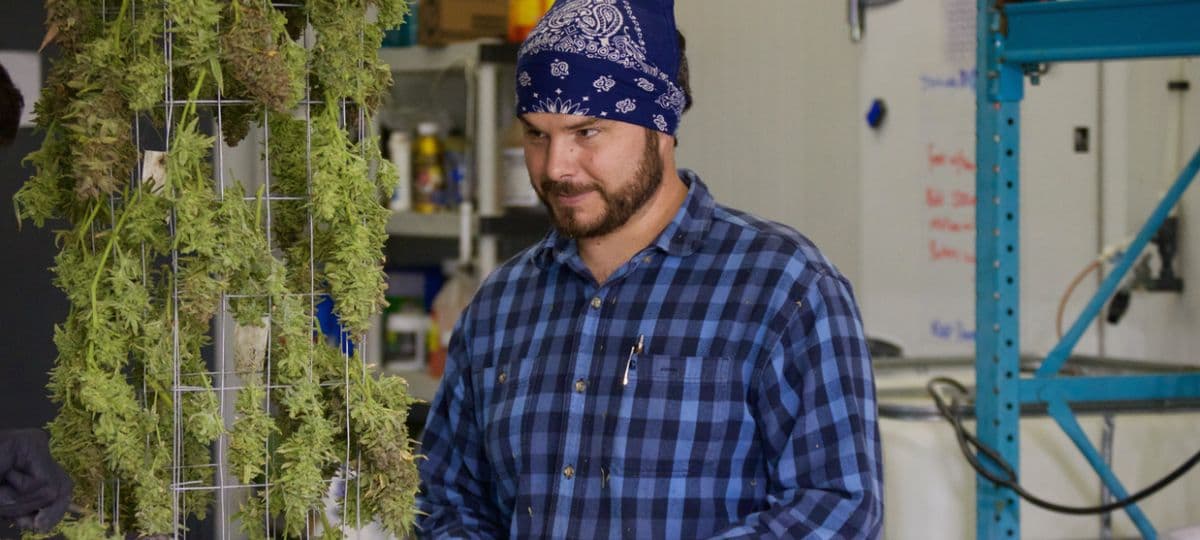
Veteran's Journey: From Battlefield to Cannabis Advocacy
A veteran's journey from the battlefields of Baghdad to cannabis advocacy highlights the transformative power of the plant and the systemic challenges faced by those who challenge the status quo
Key Points
- 1Veteran struggled with reintegration after returning from Baghdad in 2005
- 2Cannabis provided a lifeline, enabling him to pursue education and advocacy
- 3Faced institutional resistance and ostracization for advocating cannabis use
- 4Involved in groundbreaking research on cannabis for PTSD treatment
- 5Continues to fight for cannabis reform and veteran support despite challenges
Returning from Baghdad in 2005, a veteran found himself thrust into a tumultuous re-entry into civilian life. The transition from military service to civilian life was fraught with challenges, including panic attacks and substance abuse. Despite seeking help from the Veterans Affairs (VA), the prescribed medications only exacerbated his struggles. The veteran's life spiraled into chaos, marked by self-destructive behavior and personal losses, until a pivotal moment of crisis led him to reconsider his path
In the depths of despair, the veteran had an epiphany that his survival depended on abandoning the VA's pharmaceutical regimen. He turned to cannabis, which provided not only relief from pain but a new lease on life. Cannabis became a tool that enabled him to pursue education and community service, ultimately leading him to the University of Arizona. There, he found a supportive community at the VETS Center, which helped him redefine his sense of purpose through helping fellow veterans
The veteran's journey led him to become involved in groundbreaking research on cannabis for PTSD, working with Dr. Sue Sisley on a federally approved study. This involvement marked a significant shift in his life, as he became a vocal advocate for cannabis as a viable treatment option for veterans. However, his advocacy came at a cost, as he faced backlash and ostracization from institutional circles that were resistant to change. The veteran's candidness about cannabis use and his whistleblowing on fraudulent activities further isolated him from the civic leadership community
Despite facing institutional resistance, the veteran continued to fight for cannabis reform and veteran support. His experiences highlighted the systemic barriers and hypocrisy within civic leadership and research institutions. The veteran's story underscores the complexities of navigating a system that often prioritizes maintaining the status quo over embracing transformative solutions. His advocacy efforts were met with legal threats and exclusion, yet he remained steadfast in his commitment to truth and reform
The veteran's advocacy coincided with Arizona's move towards legalizing recreational cannabis, a development that underscored the shifting public perception of cannabis. Despite the state's progress, the veteran found himself sidelined by the very institutions that should have embraced his insights and experiences. This contradiction highlighted the ongoing struggle for acceptance and legitimacy of cannabis as a therapeutic tool, particularly for veterans
Looking forward, the veteran remains committed to his advocacy, undeterred by institutional pushback. He continues to leverage his experiences to push for policy changes that support veterans and promote cannabis as a legitimate treatment option. His story is a testament to the resilience and determination required to challenge entrenched systems and advocate for meaningful change. The veteran's journey illustrates the transformative power of cannabis and the importance of speaking truth to power, even in the face of adversity