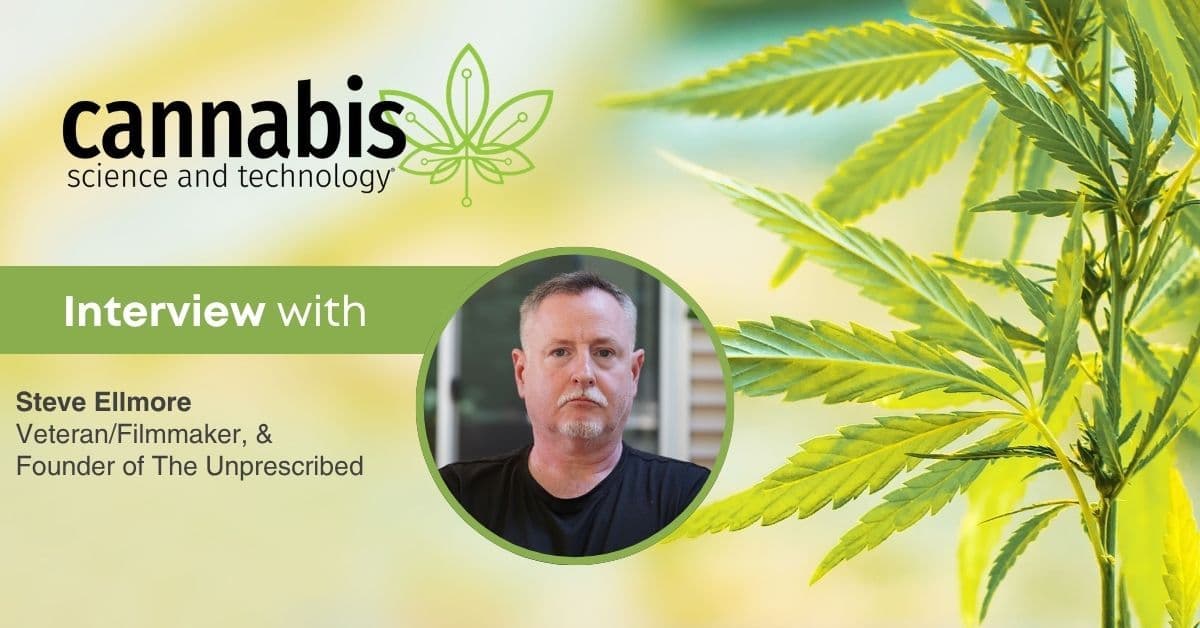
Veterans Turn to Cannabis for Symptom Management: Insights from Steve Ellmore
Veterans are increasingly turning to cannabis for symptom management, with Steve Ellmore sharing his personal journey of using cannabis to manage mental health and physical pain
Key Points
- 1Veterans are using cannabis for mental health and pain management
- 2Steve Ellmore's experience highlights the benefits of cannabinoids and terpenes
- 3Ellmore emphasizes the need for honest marketing and labeling in the cannabis industry
- 4Ongoing research and individualized treatment plans are crucial for effective cannabis use
- 5Ellmore advocates for veterans to adapt cannabis use to their specific health needs
Veterans facing the challenges of physical pain and mental health issues are increasingly turning to cannabis as a viable management tool. Steve Ellmore, a veteran himself, has shared his personal journey with cannabis, emphasizing its role in alleviating his mental health struggles and aiding sleep. His exploration into cannabis began not with a focus on pain relief, but rather as a means to tackle mental health issues exacerbated by the demands of his life and career. As Ellmore recounts, his initial skepticism gave way to advocacy as he discovered the benefits of cannabinoids and terpenes in managing his symptoms
Ellmore's journey with cannabis began with a personal investigation into its various properties, particularly as he dealt with a recurring neck and shoulder strain that eventually affected other parts of his body. The inconsistency of his work schedule, often disrupted by government call-backs, hindered his ability to maintain a therapeutic running routine, which had been a crucial part of his self-care. This led him to explore cannabis, specifically the effects of cannabinoids like CBD and CBG, as well as terpenes such as Beta-caryophyllene, which he found particularly effective for inflammation and pain management
A turning point for Ellmore was his experience with a balm containing CBD and THC, which provided immediate relief, a stark contrast to his experiences with smoking cannabis, which typically resulted in delayed effects. This immediate positive reaction piqued his interest in exploring various strains based on their terpene profiles. Ellmore's exploration revealed that certain strains were particularly effective, leading him to advocate for a more nuanced understanding of cannabis beyond just its THC content
Ellmore also highlights a significant concern within the cannabis industry: the marketing and labeling of cannabis products. He emphasizes the need for clarity and honesty in labeling, particularly as consumers often misunderstand the significance of cannabinoid concentrations. Ellmore points out that higher percentages of THC or other cannabinoids do not necessarily equate to better efficacy for symptom management, advocating instead for a focus on the full spectrum of cannabinoids and terpenes present in each product
Looking forward, Ellmore stresses the importance of ongoing research into cannabinoids and their effects on human health. He calls for more comprehensive studies and human trials to better understand the potential benefits and limitations of various cannabis compounds. Ellmore's personal experiences underscore the need for individualized treatment plans, as he notes that microdosing has been more effective for certain symptoms than higher doses. This insight is particularly relevant for veterans and others exploring cannabis for symptom management
Ellmore's story is a testament to the evolving landscape of cannabis use among veterans, who are finding new ways to manage complex health issues. His experiences highlight the need for continuous reevaluation of treatment strategies, as he discovered the benefits of Sativa strains after being diagnosed with ADHD. This shift in treatment approach underscores the importance of adapting cannabis use to individual needs, advocating for veterans to remain informed and proactive in their health management strategies