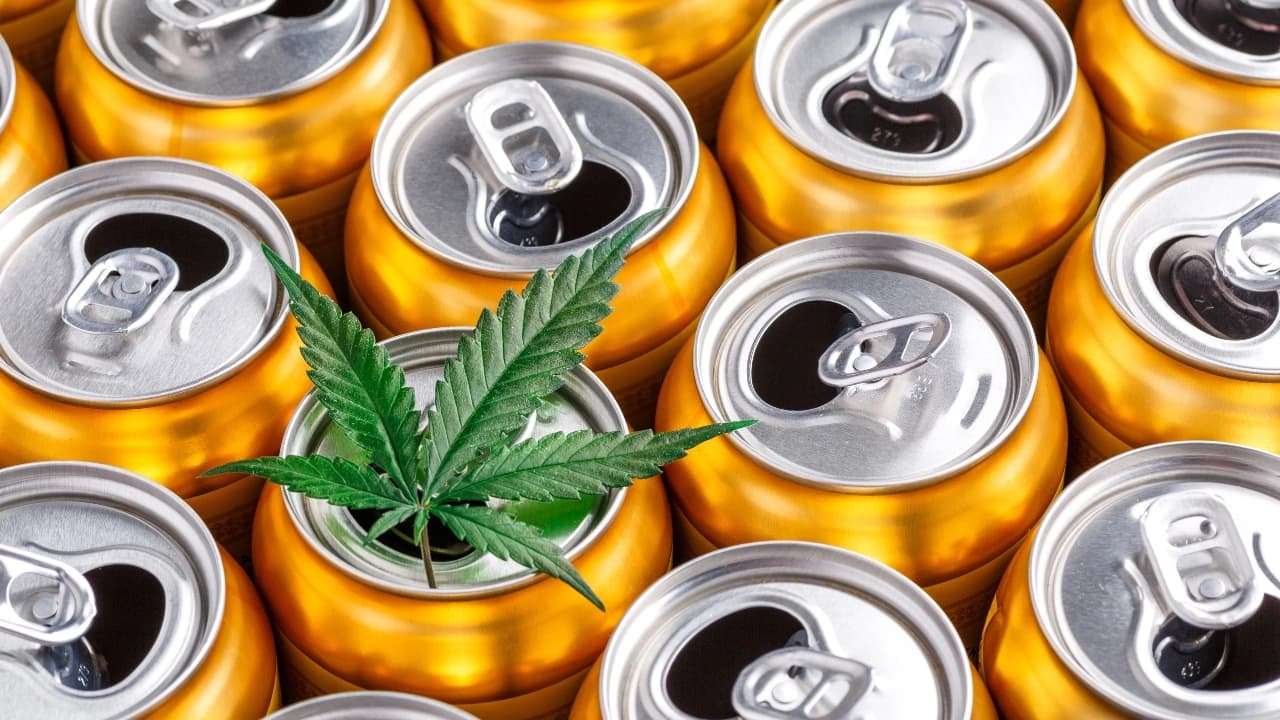
Women Propel Growth of THC-Infused Beverages as Health-Conscious Alternative to Alcohol
Women are increasingly opting for THC-infused beverages over alcohol, driven by wellness trends and the desire for healthier lifestyle choices
Key Points
- 1Women are driving the growth of THC-infused beverages as an alternative to alcohol
- 2The THC beverage market could grow from $1.1 billion to $14.9 billion
- 3Convenience and stigma reduction are key factors in the popularity of THC beverages
- 4Federal hemp prohibition poses a potential threat to the THC beverage market
- 5THC beverages offer benefits for women experiencing menopause-related issues
In a significant shift from traditional alcohol consumption, women are increasingly turning to THC-infused beverages as a healthier alternative. Jazmin Hupp, the chief marketing officer for Jota Living, exemplifies this trend. She has replaced alcohol with THC beverages to enjoy social events without the negative side effects of alcohol. This movement is gaining momentum among women in their 40s and older, a demographic historically associated with wine consumption, as they seek wellness-oriented lifestyle choices
The rise of THC beverages is not just a fleeting trend but part of a broader cultural shift towards intentional consumption. Economist Beau Whitney notes that these beverages are replacing the nightly glass of wine for many women, offering benefits like fewer calories, no sugar, and no hangover. This shift is creating new marketing and growth opportunities for THC beverage companies eager to cater to this demographic. Taylor Fairman, co-owner of Sky High Cannabis Co., highlights that these beverages serve as an entry point for women new to cannabis, bridging the gap between traditional alcohol and cannabis consumption
The THC beverage market, currently valued at $1.1 billion to $1.3 billion in annual sales, is poised for significant growth, potentially reaching $14.9 billion as more states regulate and increase accessibility. The placement of THC beverages in grocery stores and liquor outlets is crucial, allowing them to compete directly with alcohol. Whitney emphasizes that the convenience of purchasing these beverages alongside traditional alcohol options is driving their popularity, particularly among women who prefer not to visit dispensaries
Despite the promising growth, the future of THC beverages faces uncertainty due to looming federal hemp prohibition. Whitney warns that this could severely impact the sector, as many consumers of hemp beverages are unlikely to transition to dispensary purchases. This regulatory challenge could force some consumers back to alcohol or abstain from intoxicating beverages altogether. However, the trend towards functional and wellness-based consumption is expected to persist, with some alcohol companies supporting the shift
The appeal of THC beverages extends beyond social settings, offering benefits for women experiencing perimenopause and menopause. These beverages can help alleviate stress, anxiety, and sleep issues associated with hormonal changes, without the adverse effects of alcohol. Mary Bernuth, a psychotherapist and co-founder of Pharos Brands, emphasizes the psychological and emotional advantages of THC beverages, which can help women manage stress and make healthier lifestyle choices
Social stigma remains a barrier for many women choosing THC over wine, but word-of-mouth is playing a crucial role in spreading the trend. Hupp points out that women are introducing THC beverages to their friends at social gatherings, circumventing traditional marketing restrictions. This grassroots approach is helping to normalize THC consumption in social settings, as women bring these beverages to parties instead of wine
Looking ahead, the THC beverage sector is positioned for further growth, contingent on regulatory developments and consumer acceptance. As more consumers prioritize health and wellness, THC beverages could become a staple in the market, offering a viable alternative to alcohol. Industry leaders and advocates remain optimistic about the potential of THC beverages to transform social drinking habits and provide a healthier option for relaxation and socialization