Cannabis Cultivation Emerges as Economic Lifeline Amid State Collapse in Lebanon, Myanmar, and Afghanistan
Cannabis cultivation has become a crucial economic fallback for millions in Lebanon, Myanmar, and Afghanistan as state institutions collapse and traditional agriculture becomes unsustainable
Key Points
- 1Cannabis cultivation is providing a primary economic lifeline in Lebanon, Myanmar, and Afghanistan amid state and economic collapse
- 2In Lebanon’s Bekaa Valley, cannabis production surged after the 2019 economic crisis, with tens of thousands of families dependent on the crop
- 3Farmers in Myanmar’s Sagaing Region have shifted from betel nut to cannabis due to significantly higher returns following the 2021 military coup
- 4Lebanon legalized medical cannabis in 2020, but regulatory delays and conflict have prevented the establishment of a functioning legal market
As state institutions falter and economies collapse, cannabis cultivation has become a critical source of survival for millions across Lebanon, Myanmar, and Afghanistan. According to High Times, the plant's resilience and profitability have positioned it as the mainstay for farming families facing currency devaluation, failed agricultural markets, and widespread poverty. In these countries, the cannabis market operates as a self-organized, community-governed survival economy, stepping in where governments have failed to provide stability or opportunity
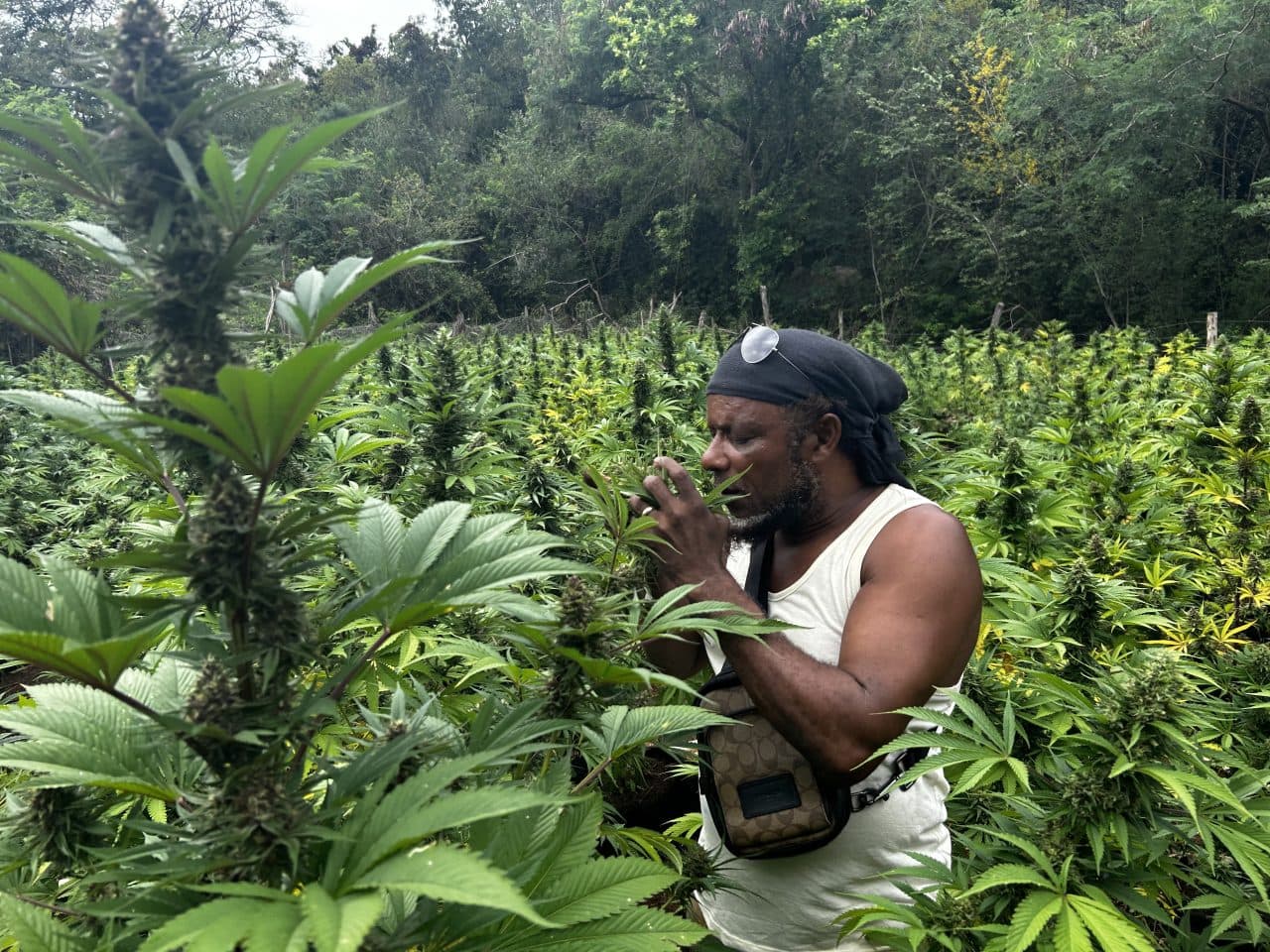
Lebanon's Bekaa Valley offers a striking example of this shift. Once renowned for its "Lebanese Red" hashish, the valley's cannabis industry has deep historical roots, dating back to the era of the French Mandate. The sector ballooned during the Lebanese Civil War, with hashish occupying up to 80% of arable land and generating as much as $1 billion annually. After a brief period of U.S.-backed eradication and failed development assistance, the 2019 economic collapse devastated the Lebanese pound and slashed GDP from $55 billion to $22 billion by 2021. For many, cannabis was the only crop left that could offer a semblance of economic security
Personal stories from the Bekaa Valley illustrate the human dimension of cannabis dependence. Abu Ali, a 57-year-old farmer, switched from potatoes to cannabis, explaining, "It’s just less expensive than other crops and allows you to live with dignity." Young graduates like Ali, unable to find work or afford further education, are also returning to family hashish businesses. Yet, even as more farmers turn to cannabis, prices have plunged, with Mohamed, another local, noting, “Now a kilo only comes out to $100 or $150,” compared to $1,000 or more in better times. Despite lower profits, cannabis remains the most viable option for tens of thousands of families
Myanmar's experience reveals how cannabis can rapidly emerge as a survival strategy in regions without a long history of cultivation. Following the 2021 military coup and the economic freefall that ensued, farmers in Sagaing Region began shifting from traditional crops like betel nut to cannabis, lured by vastly superior returns. A local farmer explained, “Planting 1,000 betel trees costs around 3 million kyats but the market price is only 20,000 kyats per viss. By contrast, cannabis costs just 3,000–3,500 kyats per plant and a viss of dried leaves and buds can fetch up to 800,000 kyats.” This dramatic price differential has driven a new cannabis boom amid ongoing civil conflict and deepening poverty
Despite Lebanon's move to legalize medical cannabis in 2020, regulatory and political dysfunction have stymied the creation of a legal market. The regulatory authority was only established in 2025, and its first major action was to order the destruction of crops grown without licenses that did not yet exist, leaving farmers in legal limbo. The Israel-Hezbollah conflict has further destabilized the Bekaa Valley, compounding the hardships faced by local communities. OG Lab notes that these cases underscore the complex role cannabis plays as both a lifeline and a source of vulnerability in regions suffering from state collapse, highlighting the urgent need for pragmatic regulatory frameworks that address economic realities on the ground