Delaware Lawmakers Advance Competing Hemp THC Regulation Bills Amid Industry Debate
Delaware legislators are weighing four competing bills to regulate hemp-derived THC products, with proposals ranging from tighter integration into the marijuana market to the creation of a separate licensing system for hemp retailers
Key Points
- 1Delaware lawmakers are considering four bills to regulate hemp-derived THC products
- 2Rep. Chukwuocha's bill would incorporate intoxicating hemp products into the regulated marijuana industry and set stricter THC limits
- 3Rep. Lynn's competing bill proposes a separate licensing scheme for hemp retailers and a 6 percent excise tax
- 4Marijuana Commissioner Joshua Sanderlin and many marijuana licensees support tighter regulation, while hemp retailers warn of potential business closures
- 5State regulators have sent 70 cease-and-desist letters to businesses selling illicit THC products
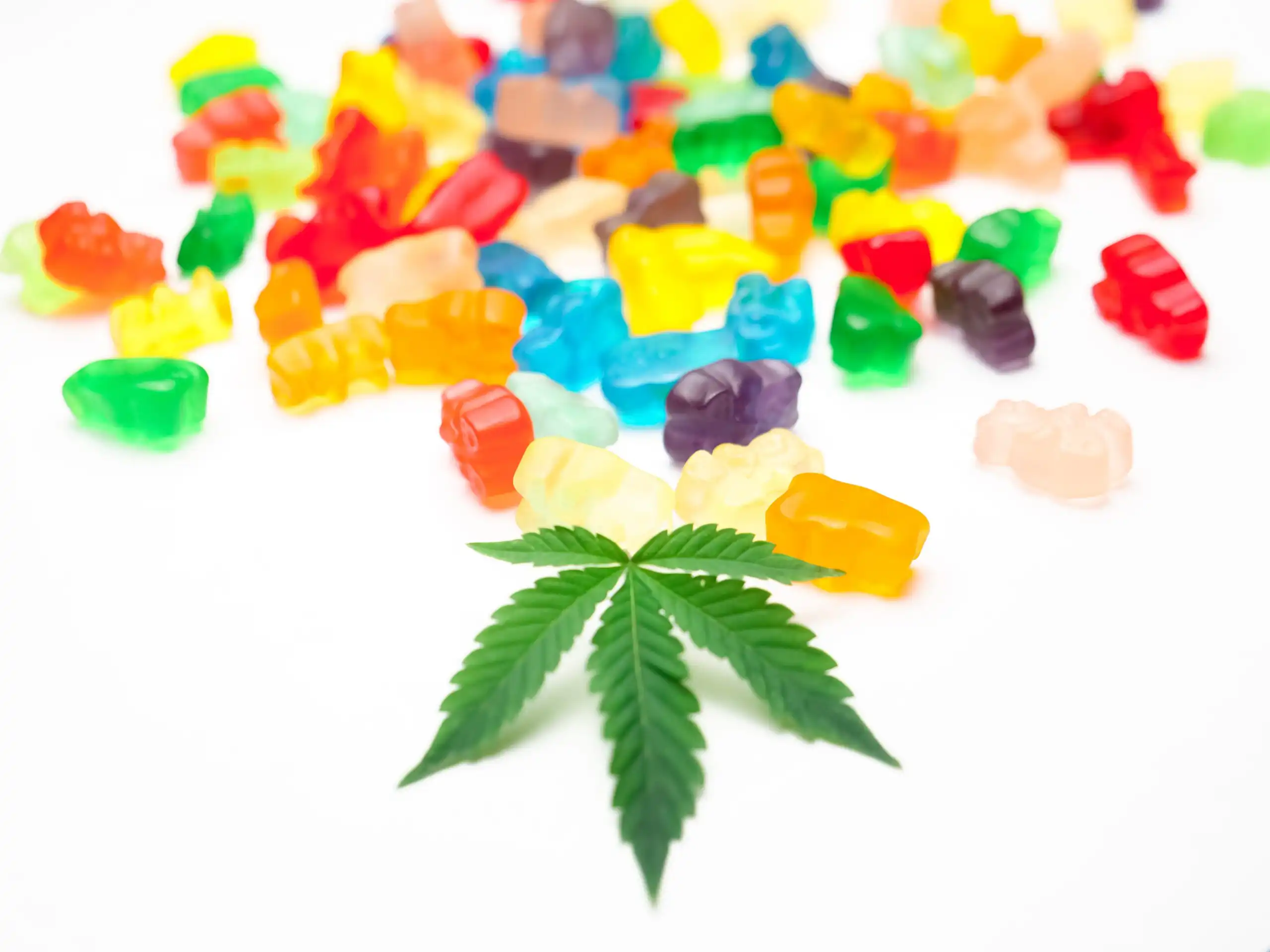
Delaware legislators are rapidly considering multiple bills that would overhaul how hemp-derived THC products are regulated across the state. With the legislative session nearing its end, the debate has intensified over whether these intoxicating products—such as gummies, vapes, and beverages—should fall under the state's strict marijuana regulations or operate under a separate framework. The proliferation of hemp-derived THC products stems from a loophole created by the 2018 U.S. Farm Bill, which enabled the commercial sale of certain hemp substances as long as they remain below 0.3 percent THC by dry weight at harvest
Four bills are currently under consideration, each proposing a different regulatory path. One measure, introduced by Rep. Nnamdi Chukwuocha, would bring most intoxicating hemp products into Delaware’s regulated marijuana industry, subjecting them to the same testing, labeling, and access restrictions. "At its core, this bill is about public safety," Chukwuocha stated, emphasizing the need to protect minors and align with upcoming federal standards. The bill would also broaden the definition of THC and impose a strict 0.4 milligram THC limit per product, mirroring federal efforts to close the so-called 'hemp loophole.'
Not all are in favor of these tighter restrictions, particularly among hemp retailers and smoke shop owners who argue that the proposals could threaten their businesses. Joseph Daniels, owner of Hidden Stash in Laurel, countered the safety concerns: "I know these products are safe. I know they are tested, because if they weren’t, I wouldn’t carry them in my stores." Meanwhile, Delaware Marijuana Commissioner Joshua Sanderlin voiced support for Chukwuocha’s bill, arguing that intoxicating hemp products should be regulated identically to marijuana due to their psychoactive effects and origin from the same plant. Sanderlin also highlighted the challenge of unlicensed hemp retailers undercutting the state's regulated cannabis market
A competing bill from Rep. Sean Lynn and Sen. Kyra Hoffner takes a different approach by proposing a separate licensing framework for hemp-derived THC retailers, excluding beverages. Under this bill, existing hemp retailers could apply for licenses, allowing them to sell products with up to 10 milligrams of THC to adults over 21, but not at gas stations or grocery stores. Lynn defended the contributions of hemp store owners, stating, "So do we reward them for their advocacy and being kind of the first to explore this area by shutting down their businesses? I mean, it just doesn’t seem right." The bill also introduces a 6 percent excise tax, laboratory testing, and child-resistant packaging, but faces criticism from marijuana licensees and regulators who argue it creates an uneven playing field and enforcement ambiguities
Additional legislation from Sen. Hoffner aims to clarify when hemp-derived products should be considered legal hemp rather than marijuana, further complicating the legislative landscape. This bill also seeks to establish clear product testing standards and prevent law enforcement from using hemp product possession as grounds for arrest or prosecution. However, the timeline for committee consideration remains uncertain. State regulators have already taken action, with the Division of Tobacco and Alcohol Enforcement sending 70 cease-and-desist letters to over 60 businesses accused of selling illicit THC products, signaling the urgency of legislative clarity
OG Lab notes that Delaware's regulatory crossroads reflect a national debate over how best to balance consumer safety, business opportunity, and the integrity of legal cannabis markets. The outcome of these bills will set important precedents not only for local retailers and consumers but also for state lawmakers navigating the rapidly evolving landscape of hemp-derived cannabinoids. Stakeholders across the industry will be watching closely as Delaware lawmakers move toward a final decision