Ayutthaya: Thailand's Forgotten Cosmopolitan Hub
Discover Ayutthaya's role as a diverse trading hub with Portuguese, Dutch, Japanese, and Persian communities shaping its history.
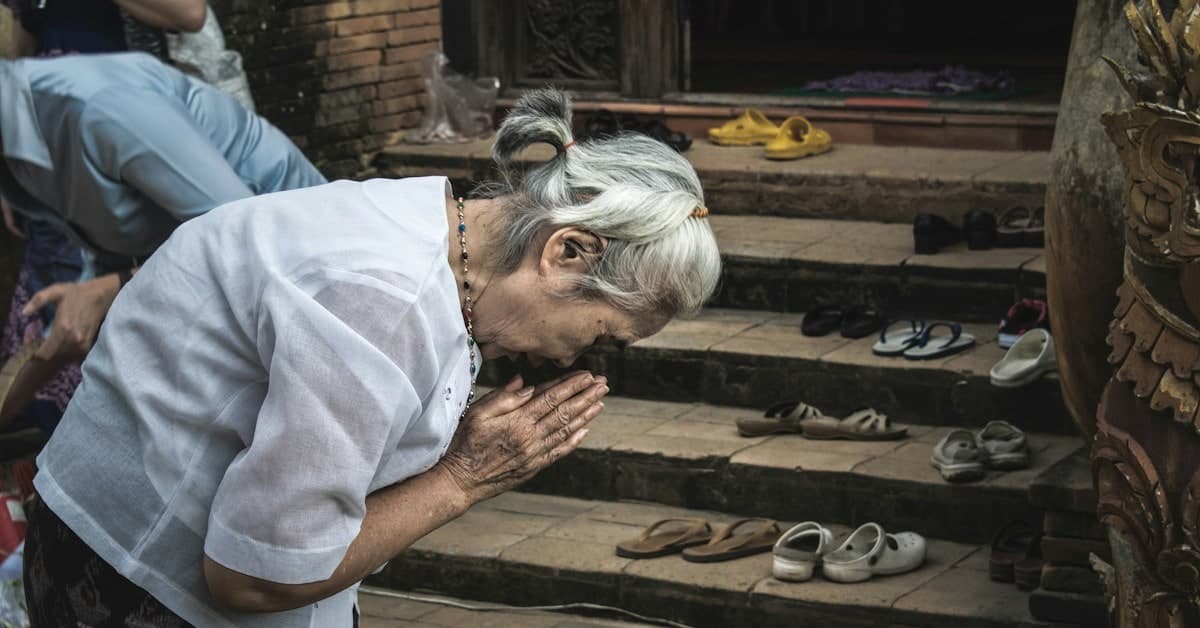
Photo by Pablo Rebolledo on Unsplash · photo
Quick Answer
Ayutthaya was a vibrant trade hub with Portuguese, Dutch, Japanese, and Persian communities that shaped its multicultural history.
TL;DR | Quick Summary
In 1511, the Portuguese arrived in Ayutthaya not just as the first Europeans to reach the vibrant kingdom, but as harbingers of a new era that would transform the Siamese capital into a bustling cosmopolitan hub. This was the beginning of Ayutthaya's remarkable evolution into one of Asia's most diverse trading centers, attracting merchants and settlers from across the globe long before Bangkok claimed the mantle of Thailand’s cultural and economic heart.
Background — historical or cultural context
Ayutthaya, founded in 1350, was strategically located at the confluence of three rivers, making it an ideal nexus for trade. The kingdom’s rulers, intrigued by the benefits of international commerce, embraced foreign merchants, allowing them to settle and trade within the city. By the 17th century, Ayutthaya had developed into a thriving metropolis, with its prosperity drawing traders from as far afield as Europe and Japan. It became an early model of globalization, where diverse cultures intermingled, each leaving indelible marks on the city’s fabric.
What most people miss — the nuance expats should understand
While the towering ruins of Ayutthaya speak volumes about its grandeur, the multicultural essence of its history often remains underappreciated. Many expats and long-term residents of Thailand recognize Ayutthaya for its architectural splendor, yet they might overlook the intricate tapestry of interwoven cultures that defined its golden age. The presence of Portuguese and later Dutch, Japanese, and Persian communities is more than a footnote; it’s a testament to the kingdom’s open embrace of cultural diversity and economic diplomacy.
In daily life — concrete examples
In Ayutthaya’s heyday, the city hosted distinct enclaves where foreign communities thrived. The Portuguese, among the first to arrive, established a settlement known as Ban Portugues, leaving behind a legacy that included not only trade but also culinary influences still evident in Thai-Portuguese desserts. The Dutch East India Company set up their lodge nearby, contributing to the exchange of goods and knowledge. Meanwhile, the Japanese community, led by the famed adventurer Yamada Nagamasa, became a significant military and economic force, even providing samurai for the Siamese court. Persian merchants, too, left their mark, introducing elements of Persian cuisine and architecture that subtly influenced Thai culture.
These interactions at markets, in diplomatic negotiations, and through intermarriages created a vibrant tapestry of shared cultural practices. The legacy of this period is not only visible in historical records but also in the syncretic elements within modern Thai society, from food to crafts and religious practices.
Why it matters
Understanding Ayutthaya’s cosmopolitan past offers expats a deeper appreciation of Thailand’s historical openness and adaptability. This nuanced awareness can enhance cross-cultural interactions, fostering respect and integration. It also provides a broader context for interpreting how contemporary Thai society navigates the complexities of globalization, balancing tradition with modernity.