Beyond Pad Thai: Discovering Thailand's Regional Cuisines
Thai cuisine is more than pad Thai. Discover the diversity from Isaan to the south.
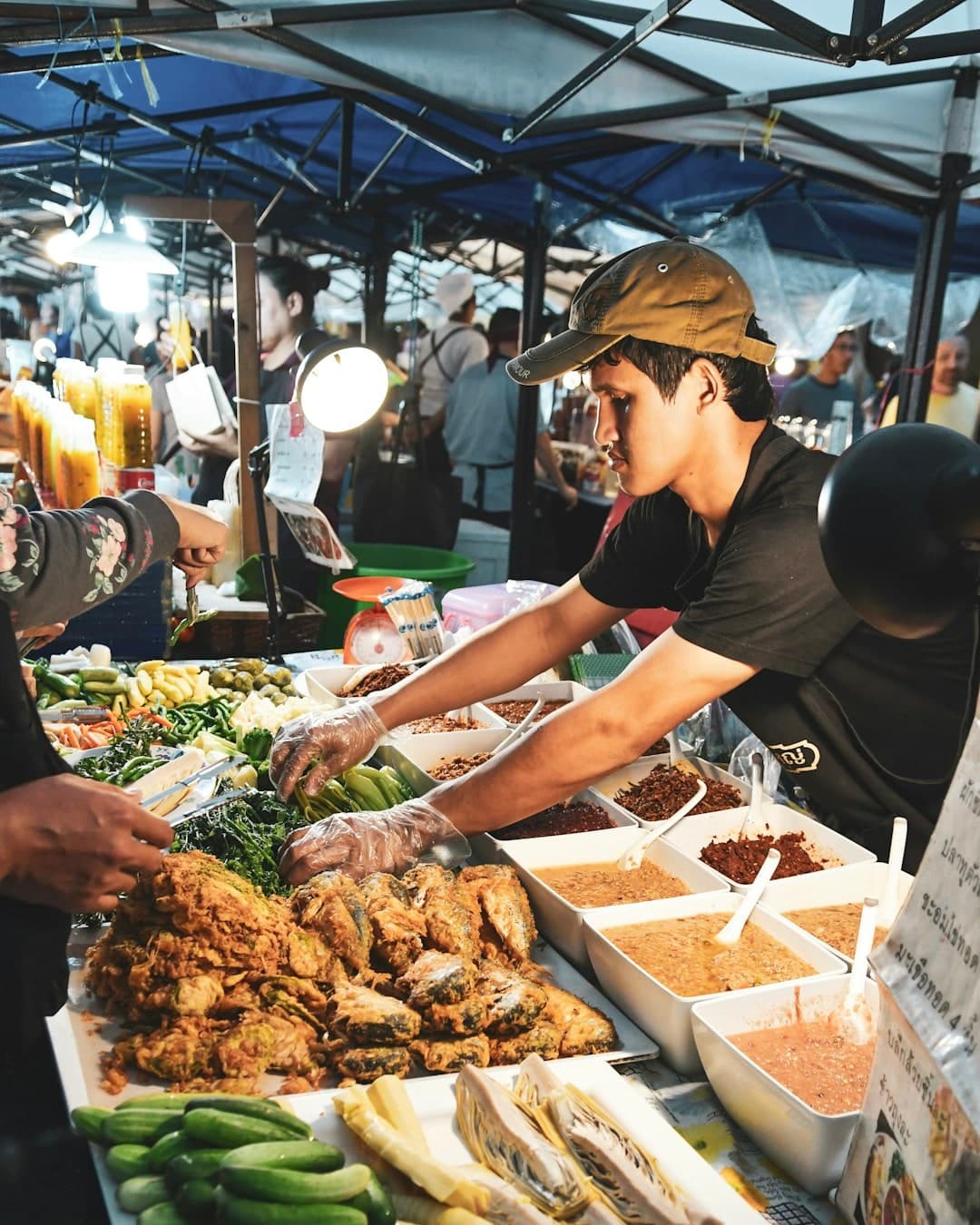
Photo by Bao Menglong on Unsplash · photo
Quick Answer
Thai cuisine is diverse, with unique regional dishes like Isaan som tam and northern khao soi, each reflecting local ingredients and culinary history.
TL;DR | Quick Summary
Thailand’s culinary landscape is as diverse as its lush geography, a fact often overlooked by those who equate Thai food with the ubiquitous pad Thai. Consider the fiery som tam, a dish originating from the northeastern region of Isaan. Unlike its sweet and tangy central Thai counterparts, Isaan som tam is a bold symphony of fermented fish, lime, and chili that speaks volumes about the region's robust flavors.
Background — historical or cultural context
The diversity in Thai cuisine is deeply rooted in the country's geography, history, and ethnic compositions. Historically, Thailand has been a crossroads of various cultures, from the Mon and Khmer to the Malays. Each region developed its unique culinary identity, influenced by local ingredients and foreign trade. Isaan, for instance, shares culinary parallels with Laos, as the region was part of the ancient Lan Xang kingdom. Similarly, the southern provinces, once part of the Malay Sultanates, showcase a cuisine rich in coconut and spices, akin to what you might find in Malaysia.
What most people miss — the nuance expats should understand
Many expats new to Thailand might not realize that what is often marketed as Thai food internationally is primarily central Thai cuisine, heavily influenced by Bangkok's cosmopolitan palate. The nuanced flavors of the north, characterized by the creamy, spicy khao soi, or the herbaceous pork larb of Isaan, are less represented outside the country. Each region’s dishes are tailored to the local climate and available resources—southern curries are rich in coconut milk and fish, while northern dishes emphasize herbs and roots due to the cooler climate.
In daily life — concrete examples
In daily Thai life, the regional diversity can be seen vividly in local markets and food courts, where stalls sell specialties unique to their home provinces. At a bustling Bangkok market, you might find a vendor selling sai oua, a northern Thai sausage flavored with lemongrass and kaffir lime leaves, alongside another offering gaeng tai pla, a southern fish curry with a pungent, fermented flavor. In offices across the nation, lunchtime might see colleagues sharing bowls of khao soi, or a plate of freshly pounded som tam, each dish telling its own regional tale.
You might also observe this diversity during family gatherings, where a meal isn't complete without a selection of dishes from various regions, symbolizing the family's diverse tastes and heritage. Business meetings often feature elaborate spreads that include a bit of everything—from spicy Isaan salads to milder central Thai curries—demonstrating hospitality and a respect for the national palate’s breadth.
Why it matters
Understanding the regional diversity of Thai cuisine enriches the expat experience, allowing for deeper cultural immersion and appreciation. It encourages exploration beyond the tourist trail, fostering connections with locals through shared culinary experiences. Recognizing these differences also aids in navigating menus and markets with confidence, ensuring richer, more authentic gastronomic adventures.