Thailand's Community Forests: Beyond the Tourist Trail
Discover the role of community forests in Thailand, managed by locals to protect biodiversity and cultural heritage.
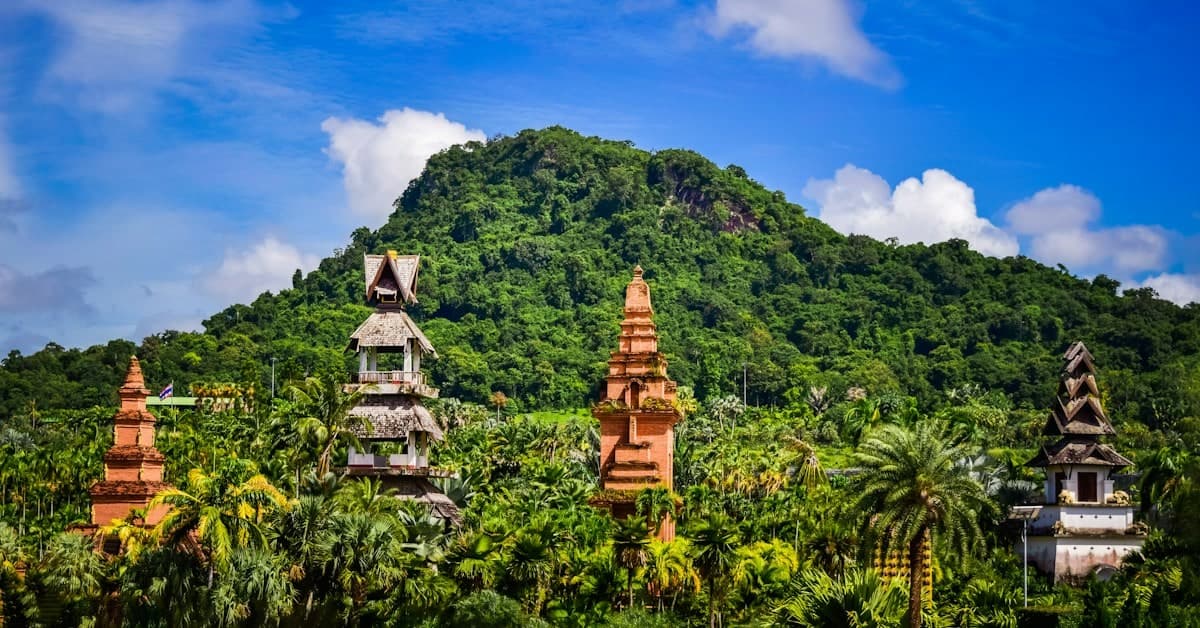
Photo by Nopparuj Lamaikul on Unsplash · photo
Quick Answer
Community forests in Thailand are locally managed ecosystems that blend conservation with cultural traditions, supporting biodiversity and fostering community ties.
TL;DR | Quick Summary
In Thailand's far-flung northeastern province of Loei, a small village recently celebrated a remarkable milestone: the centennial of their community forest. This sprawling forest, preserved and managed by local residents, stands as a testament to the enduring relationship between people and nature—a relationship that is often overlooked by visitors enchanted by Thailand's beaches and urban jungles.
Background — historical or cultural context
Thailand's community forests are a fascinating blend of tradition, conservation, and community empowerment. The concept took root officially in the late 1980s when the Thai government recognized the potential of grassroots involvement in forest management. Prior to this, villagers across Thailand had long practiced communal stewardship of forests, utilizing resources sustainably for generations. In 1991, these practices gained legal support when the first Community Forest Bill was introduced, albeit taking until 2007 for a version of the law to pass. The legal framework now allows villagers to manage designated forest areas, promoting sustainable use while protecting these ecosystems.
What most people miss — the nuance expats should understand
While many expats might associate Thai forests with lush national parks like Khao Sok or Doi Inthanon, community forests offer a different narrative. These are not government-protected tourist hotspots, but living landscapes where locals play a pivotal role. Unlike national parks, community forests are intertwined with the daily lives of residents. They provide food, medicine, and materials, all harvested in harmony with nature. This stewardship is deeply rooted in local culture and often involves traditional rituals and beliefs, which serve to strengthen the villagers' bond with their natural surroundings.
In daily life — concrete examples
Consider the small village of Ban Huay Hee in Mae Hong Son province. Here, the Karen people have developed an intricate system of rotational agriculture that allows them to cultivate rice while ensuring the forest's health. They practice "kuen suay," a tradition where villagers walk through the forest to gather herbs, mushrooms, and bamboo shoots, always mindful not to overharvest. Another example can be found in the forests of Nan province, where the Hmong people engage in community-based tourism, guiding visitors through their forests and sharing knowledge about medicinal plants and sustainable practices.
Such practices are mirrored in office settings and urban environments where the ethos of community forests influences corporate social responsibility (CSR) projects. Thai businesses are increasingly incorporating forest conservation into their CSR initiatives, supporting community-led projects and promoting sustainable practices.
Why it matters
For expats residing in Thailand, understanding the significance of community forests offers more than just an appreciation of local culture. It provides a model for sustainable living and community resilience. Engaging with these communities can enrich your experience, offering insights into sustainable practices that can be applied in various aspects of life and work. By supporting community forests, whether through volunteer work or eco-friendly investments, expats can contribute to preserving Thailand's natural heritage and fostering a deeper connection with their adopted home.