Discovering the Soul of Thai Amulet Markets
Beyond trinkets, Thai amulets are deeply personal tokens of faith and protection, woven into daily life and community spirit.
Quick Answer
Thai amulet markets are hubs of spiritual exchange, where individuals seek personal protection and luck, reflecting a deep cultural and communal connection.
TL;DR | Quick Summary
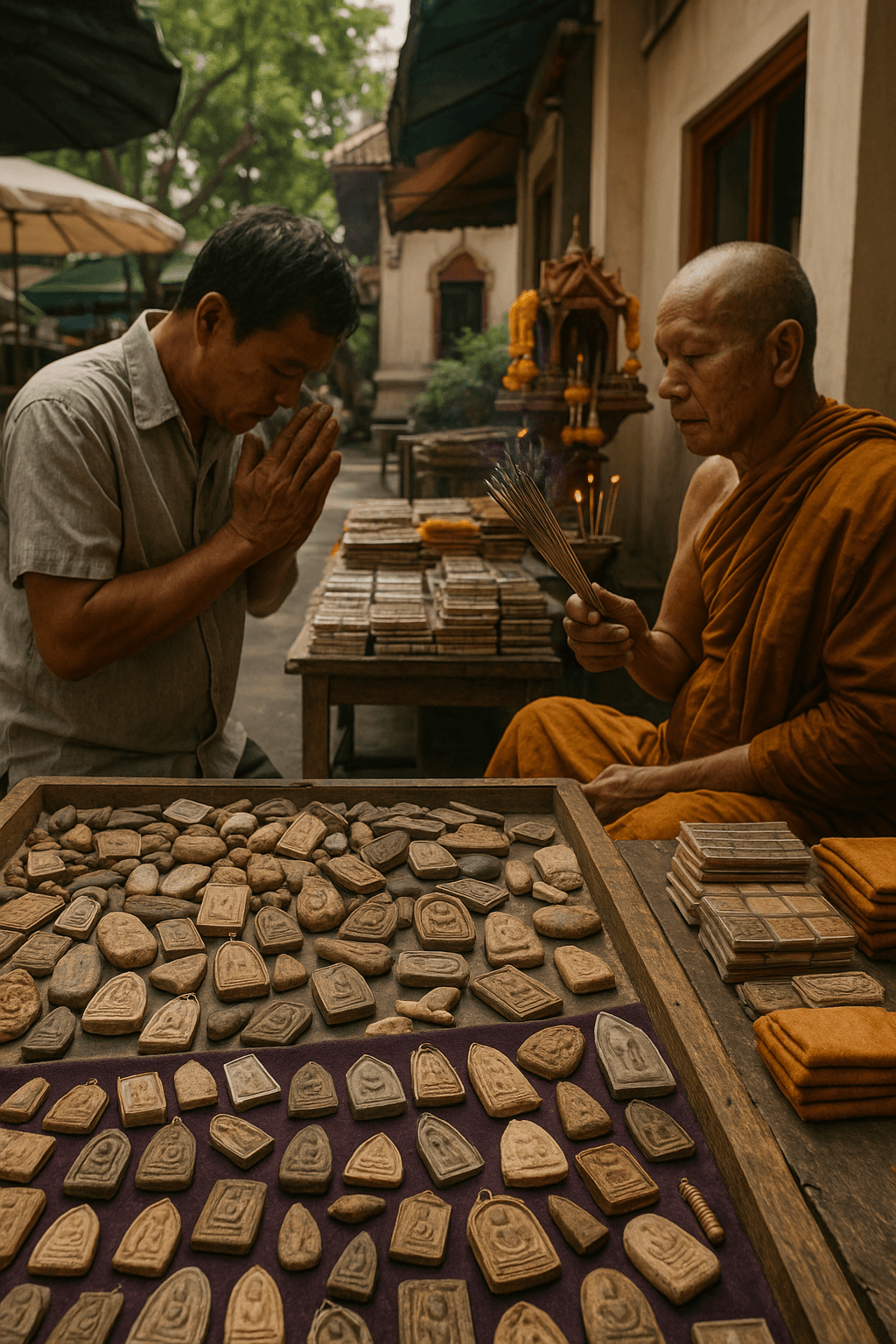
Walk through any local amulet market in Thailand, and you'll notice something curious: the whispering exchanges between vendors and their patrons, often punctuated by the clinking of small, sacred objects. These are not mere transactions. Instead, they are profound dialogues about protection and belief, where the true value of an amulet often lies not in its material worth, but in its story.
Background — historical or cultural context
Amulets, or "phra khruang," have been a part of Thai culture for centuries, dating back to the Sukhothai and Ayutthaya periods. Originally crafted as sacred objects by Buddhist monks, these talismans were imbued with blessings meant to protect the wearer. Over time, the production and distribution of amulets evolved from temple grounds to bustling markets, where monks and lay craftsmen alike contribute to their creation. While some amulets are made from metal or clay, others might incorporate more unusual materials, including bone or herbs, with each element carrying its own spiritual significance.
What most people miss — the nuance expats should understand
Most newcomers might view amulets as simple trinkets or souvenirs. However, to the Thai people, they represent a complex intersection of Buddhism, animism, and personal faith. The selection of an amulet is a deeply personal choice, often guided by specific needs such as health, love, or success. Amulet markets are places where spiritual and social interactions occur. Vendors are not just salespeople; they are often seen as knowledgeable guides who help seekers connect with their spiritual needs.
In daily life — concrete examples
In a typical amulet market, perhaps in the heart of Bangkok or a quieter provincial town, you might find a businessman selecting an amulet for luck in his ventures or a mother looking for protection for her child. The market stalls brim with collections of amulets, each with its own origin story, often tied to a revered monk or a significant event. Vendors might recount tales of miraculous events attributed to a particular amulet, fostering a sense of community and shared belief among market-goers.
It's common to see office workers wearing amulets discreetly under their clothing, or taxi drivers hanging them from their rearview mirrors, serving as both a talisman and a comforting presence during their long hours on the road. Even in temples, you might observe worshippers offering new amulets to be blessed by monks, reinforcing the cycle of belief and protection.
Why it matters
For expats, understanding the cultural significance of Thai amulets offers more than just insight into local customs—it's a window into the Thai psyche. Recognizing the importance of these markets and the faith behind each amulet can lead to deeper connections with local communities. Awareness of amulet culture can enhance cultural sensitivity, enriching personal and professional relationships in Thailand. Engaging with this aspect of Thai life respectfully can open doors to more meaningful interactions and a more profound appreciation for the spiritual undercurrents shaping daily Thai life.