The Elephant in Thai Culture: Beyond Tourism Clichés
Discover the deep-rooted significance of elephants in Thai culture, from royal symbolism to ethical tourism.
Quick Answer
Elephants in Thailand symbolize royal power, spiritual purity, and ethical tourism challenges.
TL;DR | Quick Summary
In the early 1900s, King Rama VI declared the white elephant a symbol of royal power and divine favor, mandating its appearance on the Thai national flag. Yet, few foreigners understand the profound complexities of elephants in Thai culture beyond their majestic presence. While often symbolizing strength and wisdom in the broader tapestry of Southeast Asian lore, in Thailand, elephants embody an intricate blend of spiritual, historical, and national significance.
Background — historical or cultural context
The elephant's exalted status in Thailand is deeply rooted in Buddhist and royal traditions. Historically, white elephants, or 'chang phueak,' have been considered sacred in Thai culture. They are associated with prosperity and are believed to bring good fortune. King Rama VI's decision to incorporate the white elephant into the national flag underscores its importance. However, the elephant's significance goes beyond mere symbolism. In ancient times, these magnificent creatures were indispensable in warfare, serving as royal mounts and symbols of power. They were also integral to the logging industry, used for their strength and intelligence in moving heavy timber.
What most people miss — the nuance expats should understand
While tourists might view elephants as mere attractions, expats should grasp the deeper respect and reverence Thais hold for these animals. The Royal Thai Elephant is more than a national emblem; it represents Thailand's rich history and cultural heritage. Moreover, the white elephant holds a unique place in the celestial hierarchy of Thai Buddhism, where it is revered as a representation of the Buddha himself, symbolizing purity and wisdom. Understanding this reverence is crucial, especially when navigating conversations about conservation and tourism ethics.
In daily life — concrete examples (markets, offices, temples, family, business)
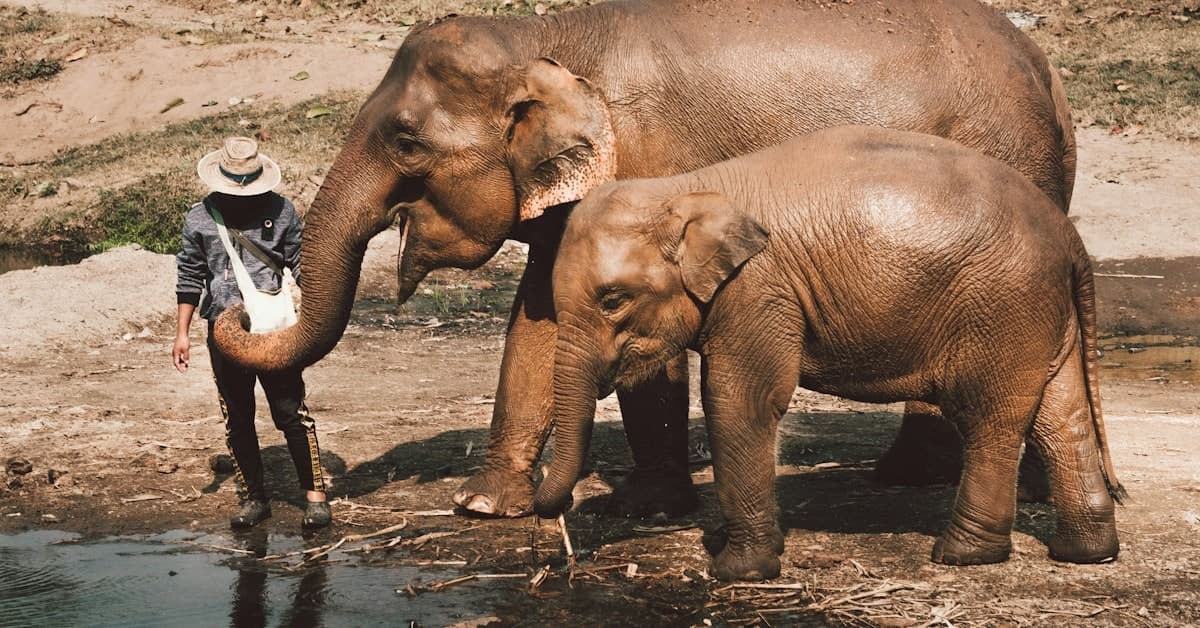
In contemporary Thailand, elephants are a common motif, seen in everything from temple murals to company logos. In Buddhist temples, statues and images of elephants often flank the entrance, symbolizing the power to overcome obstacles. At the same time, the declining population of elephants in the wild has spurred a rise in conservation efforts. Many businesses, especially those involved in tourism, are increasingly aware of the ethical implications of elephant tourism. Ethical sanctuaries that prioritize the welfare of elephants over profit are becoming popular, and choosing to support these establishments is a way for expats to engage positively with the issue.
Why it matters
For expats living in Thailand, understanding the cultural and historical significance of elephants goes beyond mere intellectual curiosity. It provides a deeper appreciation of Thailand's complex cultural tapestry and aids in fostering respectful interactions with locals. By recognizing the ethical dimensions of elephant tourism, expats can make informed choices that align with the values of their host country. Supporting ethical practices not only contributes to conservation efforts but also demonstrates respect for Thailand's cultural heritage.