The Rich Tapestry of Thai Silk: Unveiling Regional Variations
Discover the regional identities woven into Thai silk, from Isan's agricultural motifs to Chiang Mai's Lanna-inspired designs, and their cultural significance.
Quick Answer
Thai silk varies by region, with Isan's designs reflecting agricultural roots and Chiang Mai's motifs embodying Lanna culture, showcasing local histories.
TL;DR | Quick Summary
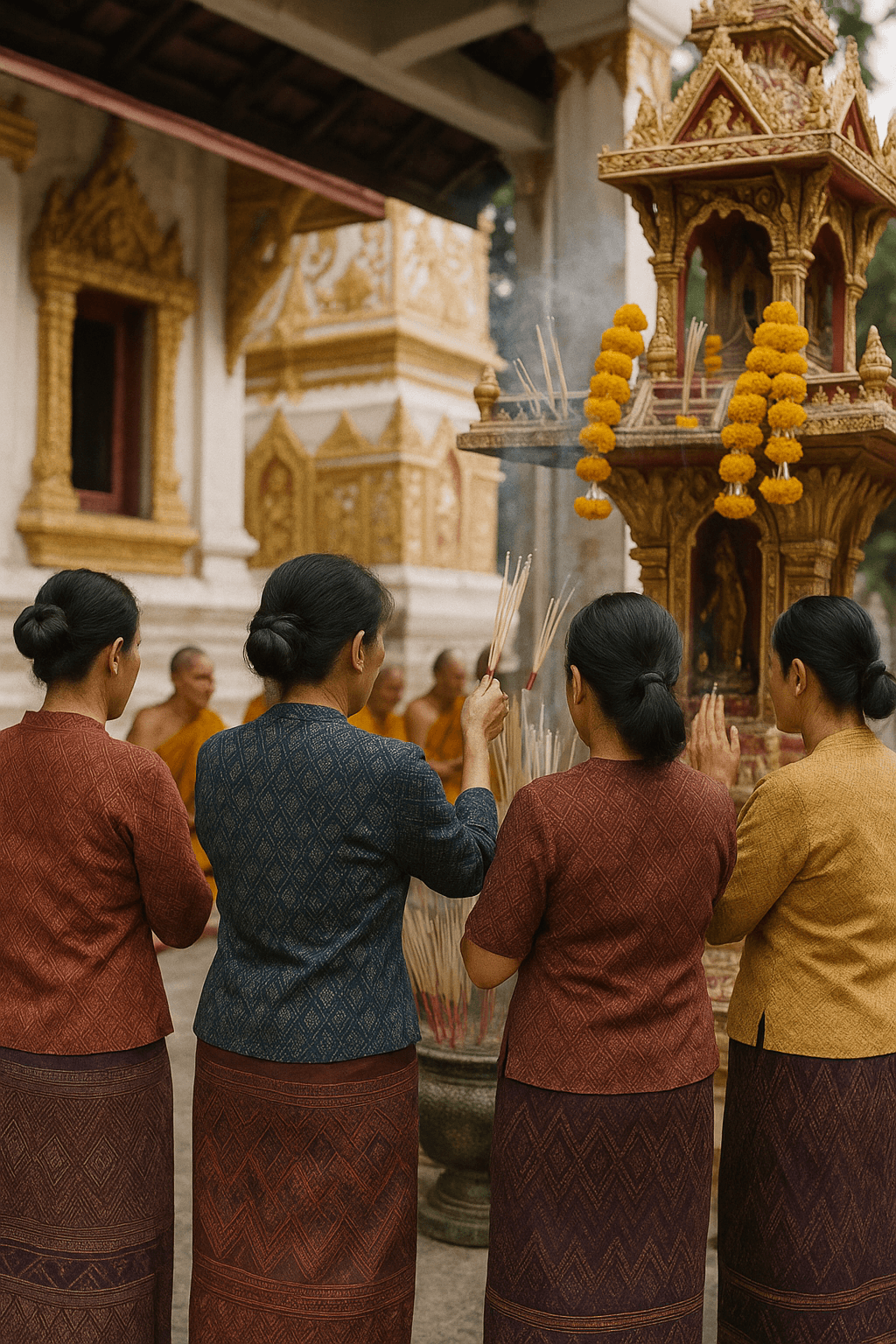
The vibrant hues of Thai silk are more than just aesthetically pleasing; they hold stories of generations, weaving a tapestry of regional identities across the country. Take, for instance, the silk of the northeastern region of Isan. Here, the intricate designs are not merely decorative but a testament to the area's agricultural roots and local mythology. Each piece of fabric tells a story, woven with symbols of rice fields, mythical creatures, and the daily lives of the people. Understanding these differences offers a deeper appreciation of the cultural mosaic that is Thailand.
Background — historical or cultural context
Silk weaving in Thailand dates back centuries, with evidence of its existence during the Ayutthaya period (1351–1767). However, it was the revival efforts spearheaded by American entrepreneur Jim Thompson in the mid-20th century that brought Thai silk to the global stage. Yet, beyond this well-known narrative lies a more intricate story — one of regional diversity. Each area of Thailand has developed its own distinct style of silk weaving, influenced by local traditions, available resources, and historical interactions with neighboring cultures.
In Isan, the weaving techniques often incorporate natural dyes from local plants, resulting in vibrant colors that reflect the region's landscape. Meanwhile, Chiang Mai and the northern provinces, known for their Lanna heritage, showcase motifs inspired by ancient temples and hill tribe traditions, infusing their silk with history and spirituality.
What most people miss — the nuance expats should understand
While Thai silk is globally renowned, many overlook the significance of its regional variations. Each piece of silk carries with it the identity of the region it hails from. Isan's silk, for example, often features the "phaa sin" skirt, with patterns that tell stories of folklore and the cycles of nature. These are not just designs; they are a language through which the people communicate their beliefs and values.
In the north, Chiang Mai silk often includes the "teen jok" technique, a method passed down through generations that requires exceptional skill. This technique is used to create intricate borders on garments, symbolizing protection and prosperity. Understanding these regional nuances enriches one's appreciation of Thai silk, transforming it from a mere souvenir into a cultural artifact.
In daily life — concrete examples (markets, offices, temples, family, business)
Visit a local market in Khon Kaen, and you might see a vendor proudly displaying bolts of handwoven silk, each piece telling a story of the local landscape. In Chiang Mai, you may encounter a craftsman demonstrating the teen jok technique, his hands moving deftly as he explains the significance of the patterns.
In family settings, traditional silk garments are often passed down as heirlooms, each generation adding their touch while preserving the original artistry. In business, Thai silk is not just a commodity but a symbol of prestige and cultural identity, often given as a high-status gift.
Why it matters
For expats, understanding the regional variations of Thai silk is more than an academic exercise; it's a gateway to deeper cultural engagement. By recognizing the stories and craftsmanship embedded in each piece of fabric, expats can foster more meaningful connections with local communities. This awareness can also guide more informed purchases, supporting artisans and preserving the rich tapestry of Thai cultural heritage.