Thai Royal Gardens: Preserving Biodiversity and Heritage
Thai royal gardens are vital for biodiversity and heritage, serving as educational hubs.
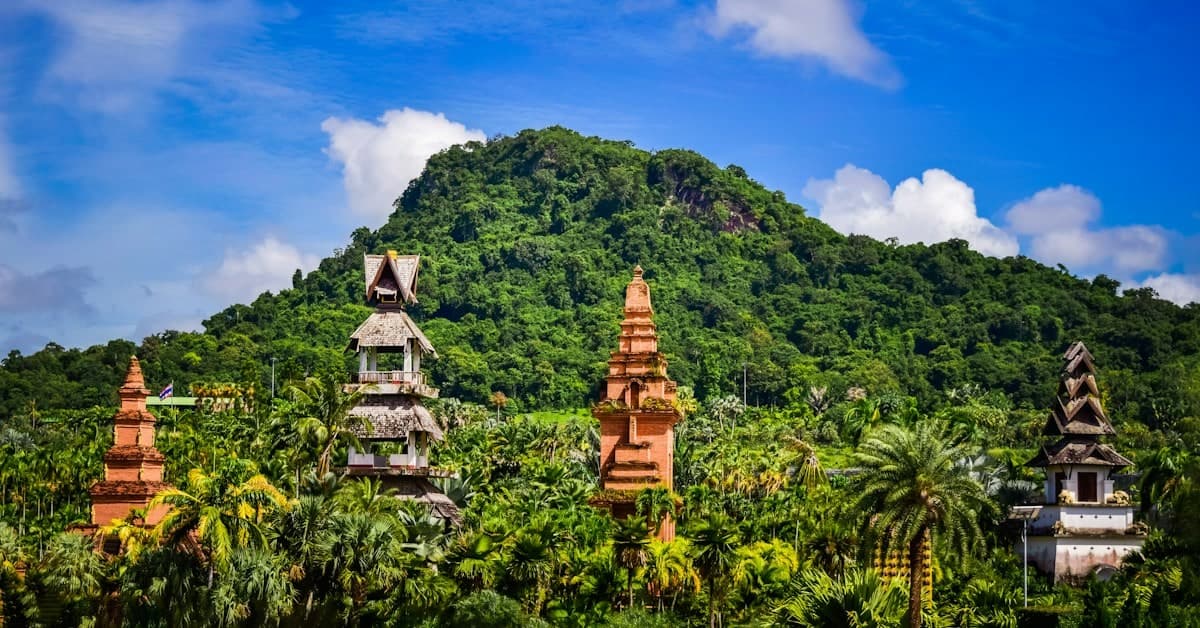
Photo by Nopparuj Lamaikul on Unsplash · photo
Quick Answer
Thai royal gardens are crucial for biodiversity conservation and traditional agricultural practices, reflecting the monarchy's commitment to sustainability.
TL;DR | Quick Summary
In the heart of Thailand, the Royal Gardens stand as more than just a testament to horticultural beauty—they are pivotal in preserving the nation's biodiversity and traditional agricultural practices. Often overlooked by casual visitors, these gardens serve as a vital link between Thailand's cultural heritage and its environmental future.
Background — historical or cultural context
The establishment of royal gardens in Thailand traces back centuries, with the monarchy traditionally playing a central role in land and resource stewardship. King Bhumibol Adulyadej, the late Rama IX, was particularly influential. His reign saw a robust push towards environmental conservation, with the Royal Projects initiated under his guidance focusing on sustainable agriculture, reforestation, and the conservation of native plant species. These initiatives were not mere ceremonial gestures but were rooted in practical necessity, aiming to address issues like deforestation and rural poverty.
What most people miss — the nuance expats should understand
Many expats might see the gardens as mere tourist attractions or aesthetic endeavors. However, these spaces are deeply integrated into Thailand's socio-environmental fabric. They serve as living laboratories where heirloom and indigenous plant species are cultivated and studied. The gardens are often involved in research that extends beyond their boundaries, impacting agricultural practices across the country. Moreover, they reflect the royal family's commitment to sustainability—a principle that guides Thailand's broader environmental policies.
In daily life — concrete examples
Consider the Queen Sirikit Botanic Garden in Chiang Mai. This expansive garden not only displays a stunning array of plant species but also plays a crucial educational role. It regularly hosts workshops and seminars on botanical conservation and sustainable agriculture, open to the public and specialists alike. In Bangkok, the Chitralada Palace grounds serve as a model for sustainable farming practices, demonstrating methods like integrated pest management and organic farming.
In rural areas, royal projects have transformed communities by introducing sustainable farming techniques that reduce dependency on harmful agricultural practices. For instance, initiatives promoting the planting of vetiver grass help prevent soil erosion, a common problem in Thailand's hilly regions. These projects often involve local communities, providing training and resources that empower farmers to maintain their land more sustainably.
Why it matters
For expats living in Thailand, understanding the role of royal gardens goes beyond appreciating their beauty. These spaces provide a window into the country's approach to environmental conservation and community empowerment. Engaging with these gardens offers a deeper appreciation of how traditional practices and modern sustainability efforts can coexist. By visiting, volunteering, or participating in workshops, expats can contribute to and learn from Thailand's efforts to preserve its natural heritage.