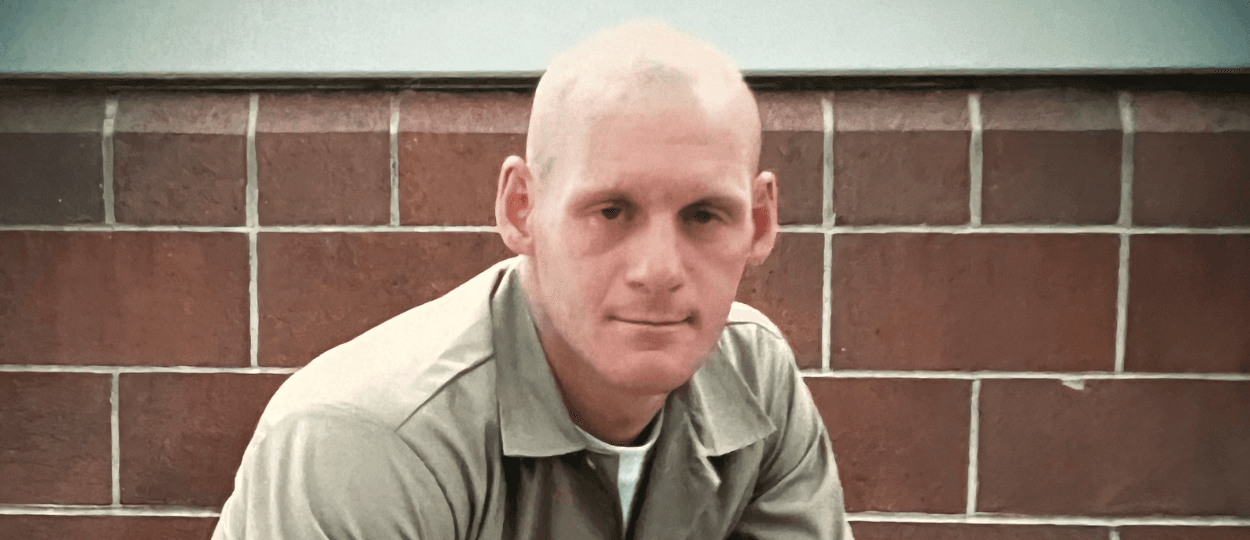
Frank Rogers Remains Incarcerated for Cannabis Amid U.S. Legalization Wave
Frank Rogers remains in federal prison for a nonviolent cannabis conviction while the U.S. cannabis industry prospers, highlighting persistent disparities between legalization progress and the legacy of drug war-era sentencing
Key Points
- 1Frank Rogers is serving a 220-month federal sentence for a nonviolent cannabis conspiracy conviction
- 2Advocacy groups estimate around 32,000 people remain incarcerated for cannabis-related crimes in the U.S
- 3Mandatory minimum sentencing and conspiracy statutes contributed to harsh penalties for nonviolent cannabis offenses
- 4A 2022 federal pardon initiative provided only limited relief, with most affected individuals already released
As the legal cannabis industry flourishes across the United States, generating billions in tax revenue and employing tens of thousands, thousands of people remain behind bars for nonviolent marijuana offenses. Frank Rogers stands as a stark example of this contradiction, serving a lengthy federal sentence for a cannabis conspiracy conviction while dispensaries and brands thrive in a market that was once criminalized. According to High Times, Rogers has spent over a decade incarcerated, reflecting the ongoing impact of drug war policies even as public perception and laws surrounding cannabis shift dramatically
The transformation of cannabis from an illicit substance to a multibillion-dollar industry has been swift and sweeping. Legal businesses now operate sophisticated cultivation facilities, fill convention centers with trade shows, and attract major investors. Yet, the legacy of prohibition persists for individuals caught in the crosshairs of the War on Drugs, which saw the U.S. prison population for drug offenses surge from 40,000 in the early 1980s to nearly half a million by the early 2000s. Advocacy groups estimate that some 32,000 people remain incarcerated nationwide for cannabis-related crimes, many under federal law
Frank Rogers’ case highlights the enduring consequences of mandatory minimum sentencing and federal conspiracy statutes that were hallmarks of the War on Drugs era. Rogers pleaded guilty to a marijuana conspiracy charge and was sentenced to 220 months in prison, a term shaped by sentencing guidelines that left little room for judicial discretion. As High Times reports, his defense argued that without the career offender designation, his sentence could have been almost halved. "I respectfully ask Alice Johnson, President Donald Trump, and the Office of the Pardon Attorney to please grant me clemency so I may finally return home to my loved ones," Rogers wrote in a recent clemency appeal
The human toll of these policies extends beyond those incarcerated, disrupting families and communities for generations. Many cannabis defendants, like Rogers, were nonviolent and prosecuted for activities that today would be considered legitimate business operations in multiple states. The irony is palpable: while some individuals profit from legal cannabis, others continue to serve time for similar conduct under outdated laws. Families have missed milestones, and entire communities have borne the economic and social costs of mass incarceration
Recent federal initiatives, such as the 2022 announcement pardoning thousands of marijuana possession convictions, have been celebrated but offer limited practical relief. Most individuals affected by the policy had already completed their sentences, and those still serving time for conspiracy or distribution charges—like Rogers—remain in prison. Advocacy organizations continue to push for broader clemency and resentencing reforms, arguing that true justice requires addressing the complex legacy of cannabis prohibition and mass incarceration
From the OG Lab newsroom perspective, Frank Rogers’ story underscores the unfinished business of cannabis reform in the United States. As the legal market expands, the disconnect between economic opportunity and criminal justice realities remains profound. The cannabis industry and policymakers alike will be closely watched to see whether meaningful action is taken to reconcile these disparities and ensure that those harmed by past policies are not left behind