Grenada Advances Cannabis Reform as Bermuda Faces UK Legal Roadblock
Grenada’s recent cannabis decriminalization has energized regional reform, but Bermuda’s legalization push remains stalled by UK oversight and international treaty obligations
Key Points
- 1Grenada decriminalized cannabis for adults 21 and over in January 2024
- 2Bermuda’s legalization efforts have been blocked by the UK due to international treaty obligations
- 3Local advocates in Bermuda are focusing on genetically-informed medical cannabis frameworks
- 4Research highlights unique cannabis metabolism among people of Caribbean descent
- 5OG Lab notes that Bermuda’s struggle could set important precedents for other territories
Cannabis reform in the Caribbean has gained momentum with Grenada’s recent decriminalization move, but Bermuda’s path toward legalization remains obstructed by its status as a British Overseas Territory. In January, Grenada decriminalized cannabis for adults aged 21 and over, sparking hope among advocates that neighboring territories might soon follow. The spotlight has now shifted to Bermuda, where efforts to advance legalization have repeatedly collided with UK oversight, highlighting the complexities facing territories bound by international treaties and colonial relationships
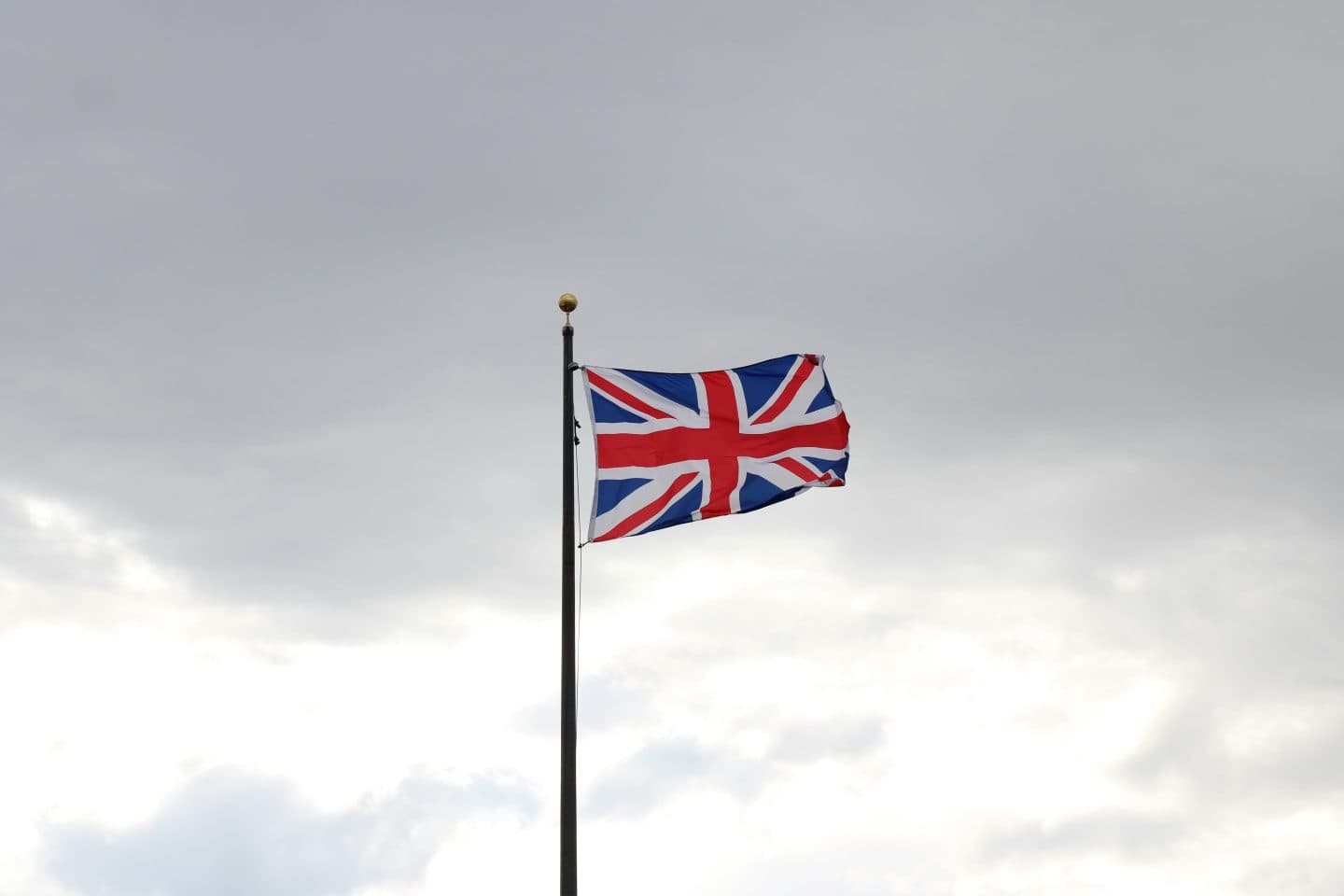
Bermuda's journey with cannabis reform began with the introduction of medical cannabis in 2016 and the decriminalization of possession of up to seven grams in 2017. The Medical Cannabis Act of 2019 aimed to establish a regulatory authority, but its mandate remains unrealized. In 2020, Bermuda's proposed Cannabis Licensing Act, which would have allowed full adult-use legalization, became entangled with discussions of possible independence from the UK—a factor believed to have contributed to its legislative failure. The UK’s staunch opposition is rooted in its own prohibition laws and international obligations, setting the stage for political friction between Bermuda’s local government and British authorities
Tensions peaked in 2022 when the UK blocked Bermuda's flagship cannabis legalization bill, citing inconsistencies with United Nations conventions. Rena Lalgie, the then-Governor, explained, “The Secretary of State for Foreign, Commonwealth and Development Affairs concluded that the Bill, as currently drafted, is not consistent with obligations held by the UK and Bermuda under the 1961 Single Convention on Narcotic Drugs and the 1971 Convention on Psychotropic Substances.” Despite this setback, Premier Burt maintained that Bermudians overwhelmingly support legalization, noting the contradiction of Canada’s adult-use market operating in defiance of the same treaty since 2018
With Grenada moving forward and Bermuda’s government including cannabis reform in its 2025 party platform, local advocates are seeking alternative avenues. The Green Framework Foundation (GFF) has assembled a team of international experts to help draft Bermuda’s first comprehensive cannabis governance framework. Kim Nicole Casey, CEO of GFF, emphasized the need for culturally relevant research: “Research shows that people of Caribbean descent, specifically, metabolize cannabis a lot faster, and therefore may need higher dosages. Our doctors in Bermuda need to be educated about this.” This initiative aims to tailor medical cannabis dosing to the genetic profiles of Caribbean patients, potentially setting a precedent for precision medicine in the region
Biotech startup CariGenetics, led by Dr. Carika Weldon, is at the forefront of research into genetic differences affecting cannabis metabolism and dependence risk. Dr. Weldon highlighted a critical gap in global medical research, stating, “85% of the diverse global population is not included in efficacy and safety testing of drugs. Most is based on data from European men.” CariGenetics' findings suggest that individuals of African descent may have a higher risk of cannabis dependence, underlining the importance of localized research and regulation. As Bermuda weighs its options, the public conversation is further amplified by local voices, including recording artist Collie Buddz, who asks, “When dem a go legalize?”
For the global cannabis industry, the contrasting trajectories of Grenada and Bermuda serve as a case study in how international law and colonial relationships shape reform. This ongoing standoff in Bermuda is worth watching, as it could set legal and political precedents for other territories under similar constraints. From the OG Lab newsroom perspective, the intersection of genetic research, local advocacy, and international policy may ultimately redefine cannabis governance in the Caribbean and beyond