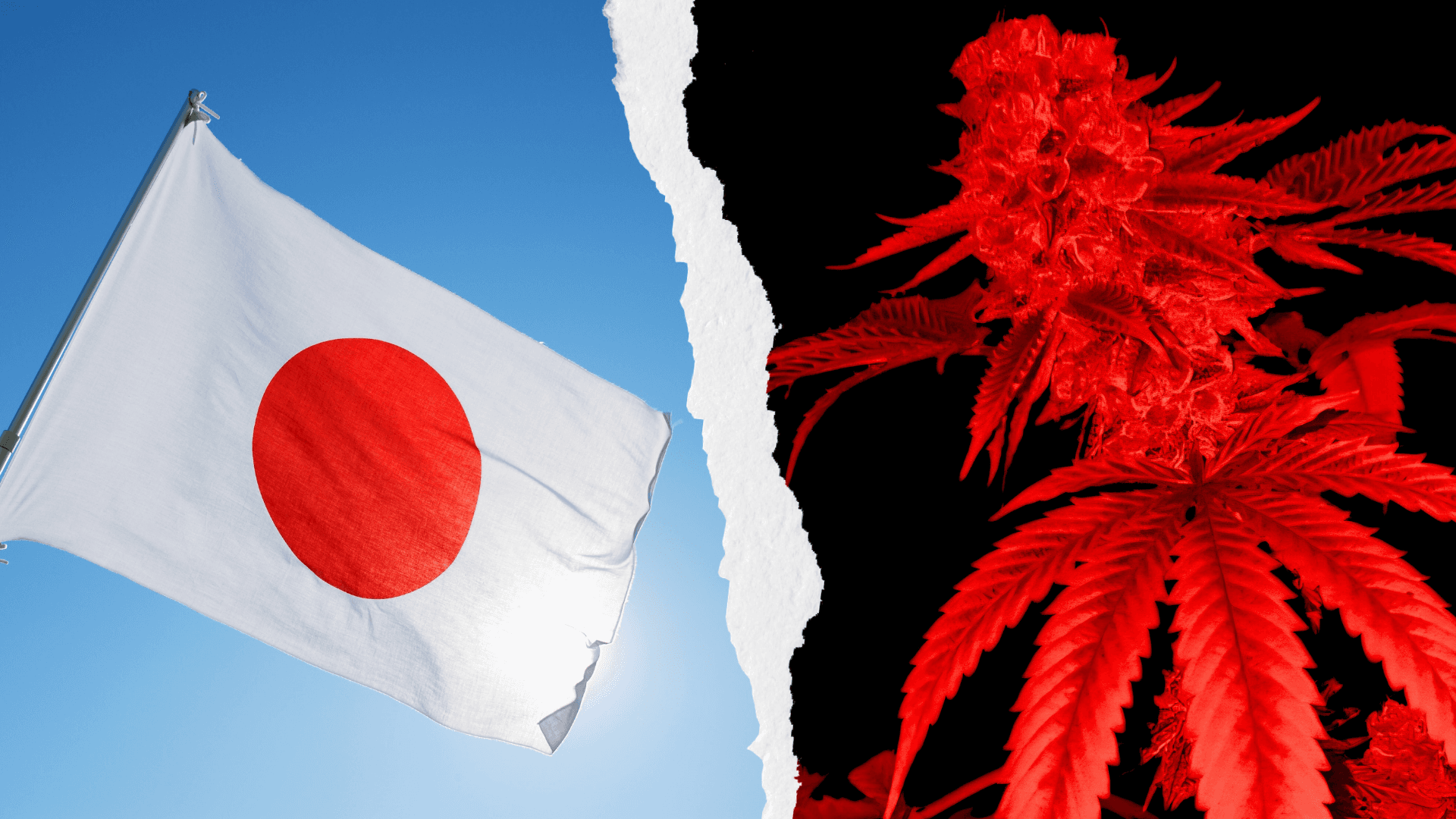
Japan Bans CBN Products Nationwide, Closes Cannabis Legal Loophole
Japan's Ministry of Health has banned CBN products nationwide, requiring disposal by June 1 and allowing only narrow medical use, closing a major loophole in the country's cannabis laws
Key Points
- 1Japan's Ministry of Health classified CBN as a controlled substance, banning its production, import, sale, and consumption as of June 1
- 2CBN products previously occupied a legal gray area and were widely available in Japan in various formats
- 3A very limited medical exception allows CBN use only for patients with incurable diseases and no alternative treatments
- 4Consumers must dispose of any CBN products before the June 1 deadline, according to the ministry
Japan has enacted a sweeping ban on cannabinol (CBN), a lesser-known cannabinoid often marketed for relaxation and sleep, marking a significant tightening of its cannabis regulations. Effective June 1, the Ministry of Health will prohibit the production, import, sale, and consumption of CBN products, with only very limited exceptions for certain medical cases. This action directly targets a market that had rapidly expanded both online and in physical stores, leveraging a previous legal gray area around non-THC cannabinoids
The move follows a December 2023 legal reform that authorized certain cannabis-derived medicines under strict conditions but left many cannabinoids like CBN unregulated. As a result, products containing CBN—such as gummies, oils, tinctures, and vape cartridges—became widely available in Japan. The Ministry has now classified CBN as a “designated drug,” effectively eliminating its presence from consumer markets. According to International CBC, "Consumers who currently have any product containing CBN in their possession must dispose of them before June 1, according to the ministry."
While the new regulation allows for a narrow medical exception, its scope is extremely limited. Only patients with incurable diseases and no alternative treatments will be permitted to access CBN under strict medical supervision. For the broader public and most businesses, the ban means that all CBN-derived products must be removed from shelves and discontinued. This follows a global trend as regulators try to keep pace with the proliferation of new cannabinoids that quickly fill market gaps
Japan's crackdown is part of a broader challenge facing countries as the cannabis market evolves and new compounds emerge faster than regulations can be drafted. The Ministry's decision aims to prevent the exploitation of legal loopholes by manufacturers and retailers. As The Japan Times reported, "CBN products—which are sold on the domestic market both in physical stores and online in the form of gummies, cookies, oils, and e-cigarettes—will effectively disappear from the consumer market."
From the OG Lab newsroom perspective, Japan's decisive action on CBN signals a shift towards more comprehensive regulation of cannabis-derived compounds, not just THC and CBD. This move could prompt similar crackdowns in other restrictive markets and highlights the ongoing regulatory whack-a-mole as new cannabinoids emerge. The fate of secondary cannabinoids like CBN will be closely watched by industry players and policymakers worldwide