Minnesota Appeals Court Bars State Prosecution of Ojibwe Man for Cannabis, Raising Tribal Sovereignty Questions
A Minnesota appeals court has blocked state prosecution of an Ojibwe man for cannabis possession on tribal land, highlighting new questions about tribal sovereignty and regulation
Key Points
- 1Minnesota appeals court ruled state lacked jurisdiction to prosecute tribal member for cannabis possession on reservation
- 2Decision establishes a significant precedent for tribal sovereignty in cannabis regulation under Public Law 280
- 3Despite the legal win, the defendant has not recovered his seized property and is considering further legal action
- 4The ruling exposes internal conflicts within the White Earth Band over cannabis industry access and governance
- 5OG Lab notes this case could influence similar disputes and legal frameworks in other PL 280 states
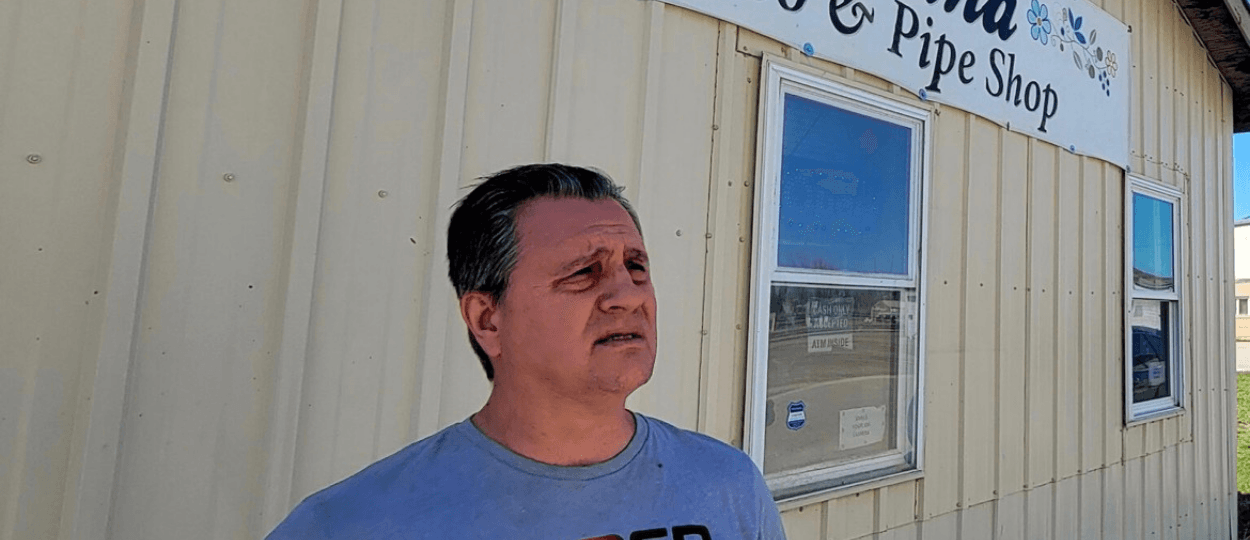
A Minnesota appeals court has ruled that the state lacked jurisdiction to prosecute Todd Jeremy Thompson, an enrolled member of the White Earth Band of Ojibwe, for cannabis possession on his own reservation. The landmark decision, delivered on February 2, 2026, dismissed felony charges against Thompson and is being hailed as a significant affirmation of tribal sovereignty over cannabis regulation. The case stemmed from an August 2023 raid by county and tribal police on Thompson's Asema Pipe & Tobacco Shop, during which authorities seized over 3,400 grams of cannabis flower, concentrates, cash, and equipment. Despite recreational cannabis legalization in Minnesota just one day prior, Thompson was charged under state law because he lacked both a state cannabis license and explicit tribal council authorization
The appellate court's opinion leaned on decades of sovereignty law, noting that Minnesota's own 2023 cannabis reforms recognized tribal authority to regulate cannabis and established a civil, regulatory framework. The court found that, since state law allows possession of up to two pounds of cannabis in a private residence and authorizes tribal-state compacts, the nature of Thompson's alleged offense was regulatory, not criminal. Judge Sarah Wheelock, in her concurrence, emphasized that tribal sovereignty is "inherent" and predates both the U.S. Constitution and federal recognition, underscoring that these protections should apply broadly to all Minnesota tribes, not solely to White Earth
The ruling is the first to apply this sovereignty doctrine to cannabis in a Public Law 280 (PL 280) state, establishing a persuasive precedent for similar cases in other states such as California, Alaska, and Oregon. According to High Times, the decision sends a strong message that when states create regulatory frameworks for cannabis, their possession laws cannot be enforced against tribal members on sovereign land. The court also noted that the state's charging decision—pursuing simple possession rather than intent to sell—further supported the regulatory, not criminal, character of the case
Despite his legal victory, Thompson has yet to recover his seized cannabis, cash, or equipment. His attempts to reclaim his property have been complicated by jurisdictional confusion between county and tribal police, prompting him to consider legal action against the authorities. Thompson is also exploring the possibility of opening a dispensary, though his business has suffered from years of closure and lost income. The case has highlighted growing tensions within the White Earth Band, where some members, like Andy Jack Auginaush, argue that the tribal government has monopolized the cannabis industry and excluded individual members from fair economic participation. "Our tribal government right now monopolized the cannabis industry where they put cannabis codes in place that exclude members from joining," Auginaush stated
Auginaush and other advocates have raised broader constitutional questions about the tribal government's authority, particularly regarding the process used to establish tribal courts and cannabis regulations. He claims band members were not consulted about compacts with the state that authorize dispensaries and has appealed for federal oversight, arguing that internal remedies have been exhausted. These internal disputes complicate the narrative of sovereignty, revealing that the struggle for cannabis rights on tribal land is not only with state authorities but also within tribal governance structures themselves
From the OG Lab newsroom perspective, this ruling marks a pivotal shift for cannabis law in tribal jurisdictions and sets a template for future legal challenges in other PL 280 states. The decision could reshape how states, tribes, and individual members negotiate rights and responsibilities in the emerging cannabis economy. What happens next—especially regarding property restitution, internal tribal policy, and broader application of this legal doctrine—will be closely watched by industry stakeholders and legal observers nationwide