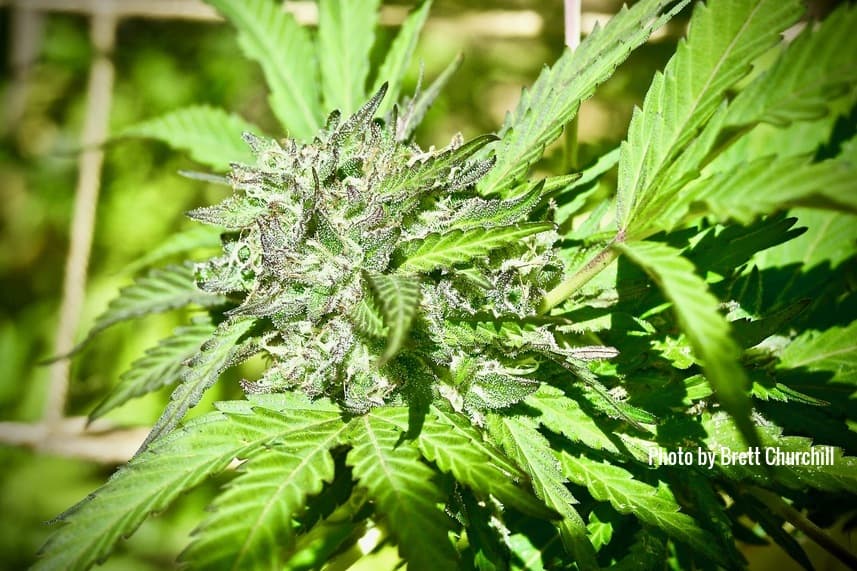
Specialized Cannabis Cultivation for Hash Production Redefines Industry Standards
Cannabis cultivators are increasingly adopting 'growing to wash' techniques, prioritizing resin extraction for hash over traditional flower aesthetics and redefining quality standards
Key Points
- 1'Growing to wash' focuses on resin behavior for ice water hash, not flower appearance
- 2True 'washers' can yield up to two to three times more hash than average strains
- 3Return percentages depend on genetics, environment, and processing methods
- 4The trend reflects a shift toward specialized breeding and evolving market demands
The rise of 'growing to wash' is transforming how cannabis cultivators and hashmakers approach their craft, focusing on resin behavior rather than traditional flower aesthetics. According to High Times, this methodology prioritizes how trichome heads detach and survive agitation in ice water, shifting the definition of what makes a cultivar 'good.' Instead of seeking strains with eye-catching bag appeal, growers are now hunting for 'washers'—plants that reliably yield a higher percentage of intact trichome heads during extraction
Growers and hashmakers report that finding a true 'washer' can significantly increase hash yields, sometimes by two to three times compared to average plants. However, experts caution that these results are not guaranteed, as genetics, cultivation methods, harvest timing, and handling all play crucial roles. "A cultivar can smoke beautifully and still wash poorly. The opposite can happen, too. You can have a plant that looks average in flower form, but once it hits the wash, it turns into something special," several hashmakers shared with High Times
The technical aspects of hash production have become more refined, with many artisans focusing on trichome head size and resin clarity rather than overall flower quality. Preferences for micron sizes—typically between 45u and 159u—vary among producers, further emphasizing the craft's complexity. Return percentages, often cited in hash culture, are highly context-dependent; factors such as room environment, water quality, agitation style, and even individual batches of the same strain can dramatically affect results
This evolution highlights a broader industry shift away from flower-centric breeding, which historically prioritized yield, structure, and smokeability over hash extraction performance. As one breeder noted, "a lot of modern hash genetics might not have impressed traditional flower buyers ten or fifteen years ago," illustrating how the definition of quality is changing. The emergence of specialized genetics for washing versus smoking reflects this growing divergence in market demand
From the OG Lab newsroom perspective, the trend toward 'growing to wash' signals the cannabis sector's increasing sophistication and diversification. As consumer preferences mature, the industry is likely to see greater specialization, with breeders and growers tailoring their crops for specific end uses. This development challenges traditional notions of quality and underscores the dynamic nature of cannabis cultivation in a global market. For producers and consumers alike, understanding these distinctions will be key to navigating the evolving landscape