Television's Evolving Portrayal of Cannabis Reflects Cultural Shift in Politics
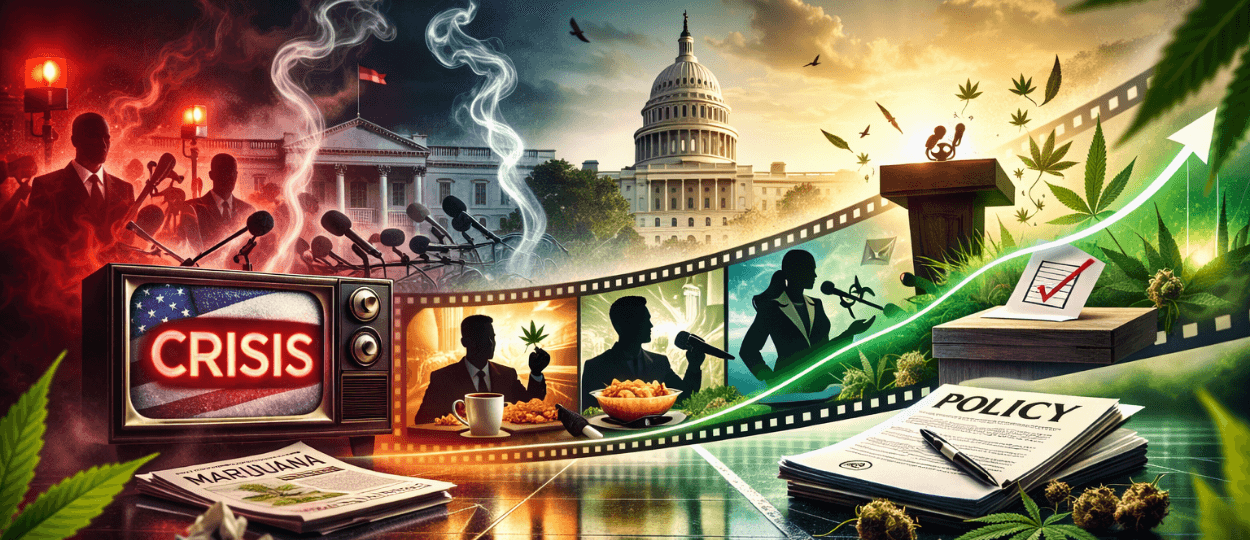
Television's portrayal of cannabis reflects a cultural shift, evolving from a taboo topic to a legitimate policy discussion as public attitudes change
Key Points
- 1'The West Wing' depicted cannabis as a political third rail in 2001
- 2'Parks and Recreation' treated marijuana with humor in 2010, showing changing attitudes
- 3'Veep' in 2015 portrayed cannabis legalization as a serious policy discussion
- 4The evolution in TV reflects broader cultural and legal shifts in cannabis perception
- 5Cannabis legalization in states like Colorado influenced TV portrayals
Television has long mirrored societal attitudes, and the depiction of cannabis on political TV shows illustrates a significant cultural shift over the past two decades. In 2001, the political drama 'The West Wing' treated marijuana as a highly contentious issue. In one episode, the Surgeon General's neutral comments on cannabis sparked a political crisis, reflecting the era's perception of marijuana as a political third rail
'The West Wing' episode highlighted the political sensitivity surrounding cannabis at the time. The show's portrayal of a government official's neutral stance on marijuana leading to panic among senior staff underscored the taboo nature of the topic. The Surgeon General's factual comparison of cannabis to legal substances like alcohol and nicotine was met with demands for her resignation, demonstrating the rigid stance against marijuana discourse in early 2000s politics
A decade later, the sitcom 'Parks and Recreation' approached the subject with humor, indicating a shift in public perception. In a 2010 episode, a character's casual admission of past marijuana use was treated as a humorous anecdote rather than a scandalous revelation. This change in tone reflected a growing acceptance of cannabis, aligning with the broader societal trend towards viewing marijuana less as a dangerous substance and more as a topic for lighthearted discussion
By 2015, 'Veep' further advanced the conversation around cannabis legalization. A character on the show openly advocated for drug legalization, marking a departure from previous portrayals where such views were considered politically dangerous. This shift in narrative mirrored the real-world changes in cannabis policy, as more states began to legalize recreational marijuana, making the topic less controversial and more mainstream
The evolving portrayal of cannabis on these shows mirrors the broader legal and cultural shifts in the United States. As states like Colorado and Washington legalized recreational cannabis, the topic became less taboo, allowing political TV shows to explore marijuana-related issues with more nuance and humor. This change in narrative reflects a society increasingly open to discussing cannabis as a legitimate policy issue rather than a controversial topic