AEW’s Marina Shafir Credits Cannabis for Balance in Family and Wrestling Career
AEW star Marina Shafir shares how cannabis has helped her balance family life, career demands, and personal loss, challenging stigmas about athletes and cannabis use
Key Points
- 1Marina Shafir credits cannabis for helping her manage the stresses of professional wrestling and personal loss
- 2Shafir balances her AEW career with family life, prioritizing time with her husband and son
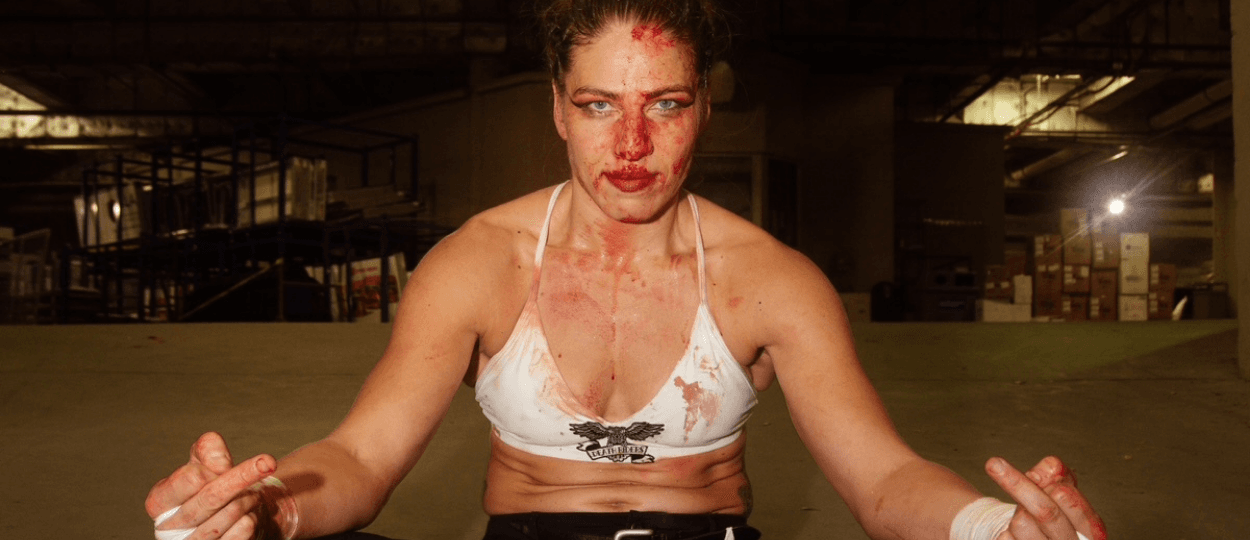
- 3She describes her wrestling persona as an authentic extension of herself, rooted in years of martial arts discipline
- 4Cannabis played a key role in her decision to quit drinking and aided in her emotional recovery after her father's death
- 5OG Lab notes that Shafir’s openness reflects growing acceptance of cannabis in the world of sports
Marina Shafir, a standout wrestler in All Elite Wrestling (AEW) and former mixed martial artist, has opened up about the pivotal role cannabis plays in her life, both personally and professionally. Known for her fierce persona in the ring, Shafir revealed that her true grounding force comes from her family and her relationship with cannabis, which she credits for helping her navigate the challenges of her career and personal loss. "There’s so much going on outside of my bubble that I can’t control. Dealing with injuries. It’s a lot. So I take it one week at a time," Shafir told High Times
Shafir’s journey into combat sports began at just six years old, inspired by her father, professional power lifter Veniamin Shafir. While her peers pursued more traditional childhood activities, Shafir was already mastering judo techniques that would lay the foundation for her future in MMA and wrestling. Despite her success in the ring, Shafir emphasized that nothing brings her more joy than her family, especially her son and her husband, AEW wrestler Chris Lindsey (Roderick Strong). "He’s such an amazing partner. I love that I can speak my love language with my husband while training together. That’s a different level of trust," she said
Balancing a demanding wrestling career with family life is no easy feat, but Shafir and her husband make deliberate efforts to prioritize time with their son, attending soccer practices and visiting farmers markets. Shafir’s passion for her job remains strong, describing her work in AEW as a unique blend of martial arts and theatrical storytelling. "I love a good flex. I’m not talking about a physical flex, but like an energy flex. That’s why I love my job so much," she explained. For Shafir, her wrestling character is an extension of herself, shaped by years of discipline and resilience
Cannabis entered Shafir’s life in earnest after a period of personal upheaval, including the loss of her father and a move to California to train with Olympic medalist Ronda Rousey. She recounted her early misadventures with edibles, saying, "It was actually hilarious because as soon as we got to LA, she gave me this chocolate bar. I didn’t know how much to take, and I ended up eating the whole thing. It was 100 milligrams. I was supposed to start training the next day. I was out for three days." Over time, cannabis became a tool for healing and sobriety, helping her to quit drinking and cope with grief. "Weed helped make that possible," Shafir noted, crediting the plant for aiding her mental recovery and emotional well-being
Shafir’s openness about cannabis challenges lingering stigmas in professional sports, where athletes often face scrutiny for their personal choices. She described cannabis as a natural part of her daily routine, one that supports her physically and emotionally through the rigors of competition and life on the road. "It actually helped me grieve a bit, too, after my dad died A lot of that happened while I was high, and I’m so glad that it did," she reflected. Her story stands as a testament to the evolving conversation around cannabis and athletic performance
From the OG Lab newsroom perspective, Shafir’s candidness about cannabis use signals a broader shift in how athletes manage wellness and recovery. As more sports figures speak out about their experiences, the industry may see increasing acceptance of cannabis as a legitimate tool for mental health and physical resilience. Shafir’s journey highlights the intersection of family, career, and self-care—an example worth watching as cannabis policy and athlete advocacy continue to evolve globally