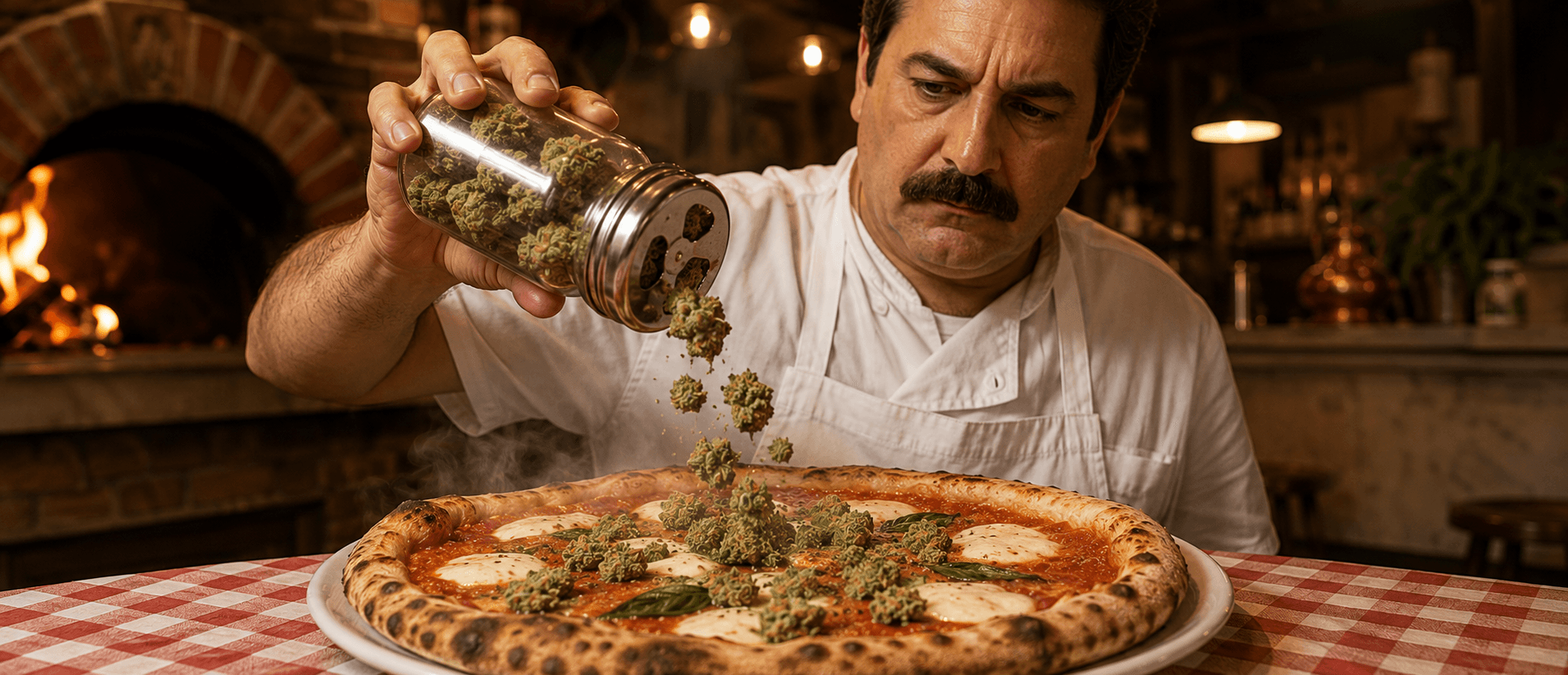
Chefs Revolutionize Cannabis Cuisine With Gourmet Infusions and Thoughtful Dosing
Chefs across the cannabis industry are redefining edible cuisine by focusing on gourmet preparation, mindful dosing, and respect for the plant, signaling a new era for infused dining experiences
Key Points
- 1Chefs are elevating cannabis cuisine beyond traditional edibles like brownies
- 2Jerry Chu emphasizes ritual, respect, and careful dosing in cannabis cooking
- 3Vanessa Lavorato promotes a guilt-free, experimental approach to cannabis as an herb
- 4Danielle Russell warns against infusing processed foods, advocating for organic ingredients and live rosin
- 5Max Buechse advises starting with small doses and highlights the importance of calculating intake
Cannabis cuisine is experiencing a renaissance, moving far beyond the days of brittle, hastily-made brownies and improvised snacks. According to High Times, a new generation of chefs is infusing gourmet sensibilities into cannabis cooking, transforming it into a sophisticated, multisensory experience. Where the stoner diet once relied on processed foods and guesswork, today's culinary innovators treat cannabis as a respected ingredient, worthy of careful attention and precise technique
Jerry Chu, a prominent chef and digital creator, views cooking with cannabis as a ritual that starts with appreciating the plant's aroma and essence. He emphasizes the importance of mindfulness throughout the process, noting that cannabis should be seen as an enhancer rather than an invader. "Treat the plant and the dish you make with utmost respect! Care for it like it’s your love, be gentle and with care," Chu advises, highlighting the need for patience and thoughtful dosing. His signature dish, a heavily infused Pasta Pesto Alfredo with Chicken, exemplifies how cannabis can elevate classic recipes into holistic culinary experiences
Not all chefs in the cannabis space believe that traditional 'junk food' should be shunned. Vanessa Lavorato, author of 'How to Eat W**d & Have a Good Time,' takes a more relaxed approach, treating cannabis as just another herb to be enjoyed guilt-free. She encourages experimentation, whether the result is a sophisticated French meal or a playful combination of French fries and an Oreo milkshake. "Whether that leads someone to a meal of foie gras and cornichons or French fries and an Oreo milkshake, the experience will light up your senses and that’s what makes life pleasurable," Lavorato explains
However, the health implications of cannabis-infused cuisine are not lost on experts. Danielle Russell, known as Edible Dee, cautions against pairing cannabis with highly processed foods, arguing that such combinations undermine the plant’s therapeutic value. "Adding a therapeutic compound to highly processed, sugar dense food doesn’t transform the vehicle into a health product," she asserts. Russell advocates for organic ingredients and live rosin infusions to preserve the medicinal qualities of cannabis and ensure a positive, healthful dining experience
German chef Max Buechse brings a practical perspective, dispelling the myth that cannabis cooking requires large quantities or complex procedures. He recommends starting with a small amount—about the size of a single joint—and carefully calculating dosage to avoid overconsumption. Buechse's devotion to infused burgers demonstrates that gourmet cannabis cuisine can be both accessible and satisfying, though he warns, "‘Overdosing’ on cannabis food is a very unpleasant experience. So be careful and calculate the mg you plan on eating beforehand."
OG Lab notes that this new wave of cannabis gastronomy marks a significant shift in both technique and attitude, emphasizing respect for the plant, precise dosing, and culinary creativity. As more chefs and home cooks embrace these principles, expect to see an even broader range of infused dishes that balance pleasure, health, and artistry—proving that cannabis cuisine is no longer a novelty, but a legitimate culinary movement