Chile’s Rightward Shift Under Kast Stalls Cannabis Reform and Fuels Uncertainty
President Kast’s new administration in Chile deprioritizes cannabis reform, leaving activists facing greater legal uncertainty and mounting challenges to advance policy change
Key Points
- 1President Kast’s administration shifts focus to security, sidelining cannabis reform
- 2Conflicting statements from Kast create legal ambiguity for patients and users
- 3Key cannabis decriminalization bill remains stalled in legislative committee
- 4Activists and journalists warn of increased criminalization and urge community organization
- 5OG Lab analysis: Chile’s cannabis future depends on grassroots pressure amid political conservatism
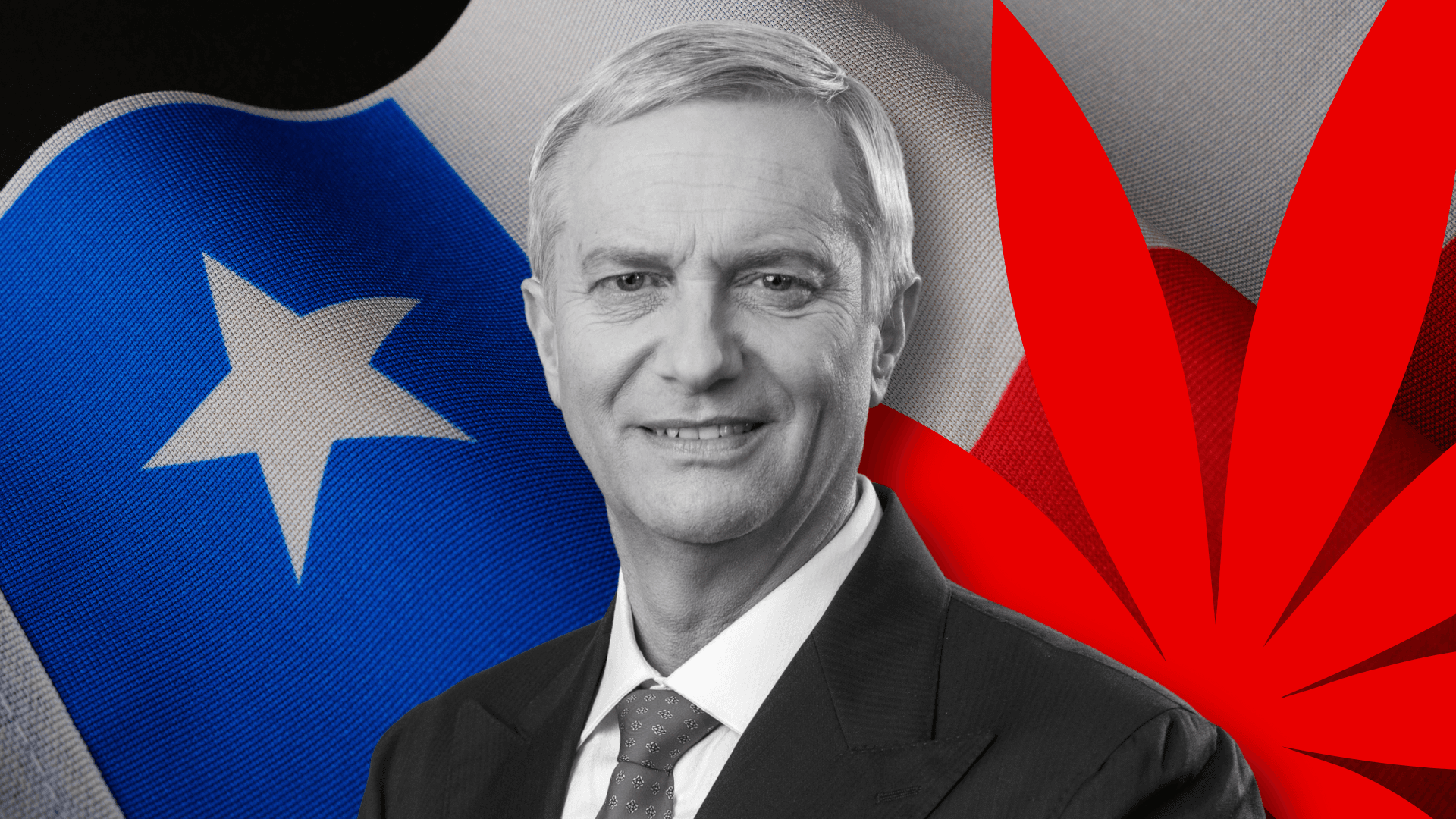
Chile’s political landscape has shifted dramatically with the election of President José Antonio Kast, who won by a decisive margin and now leads a government focused on security and conservative values. In his first week in office, Kast has prioritized border control, immigration, and organized crime, leaving cannabis reform conspicuously absent from his agenda. This has reinforced concerns among advocates that cannabis policy will remain on the back burner, despite ongoing debates and legislative proposals
Kast’s record on cannabis is marked by conflicting statements over the years, ranging from warnings that legalizing marijuana would be a 'social catastrophe' to acknowledging support for medicinal cannabis under strict regulation. However, his most recent comments have leaned toward a hardline stance, with remarks such as 'marijuana is a drug that destroys lives, families, and our society.' This inconsistency has not gone unnoticed by activists. Congresswoman Ana María Gazmuri, a leading voice for therapeutic cannabis, stated, 'When someone governs, ambiguity translates into legal uncertainty and decisions that directly affect the lives of patients and users.'
The current legislative environment remains challenging for cannabis advocates. Bill 17.568-11, which seeks to decriminalize personal possession and cultivation, has stalled in committee since being reintroduced in 2025. Activists like Muy Paola, director of Santiago Verde, express frustration, noting, 'We weren’t a priority for a government that promised to end the criminalization and persecution of cannabis users, and we’ll be even less of a priority for the next government.' The lack of legal clarity under Law 20,000 results in regional disparities, where identical behavior can be treated as legal in one city and criminal in another
Prominent journalists and activists warn that Kast’s government, rooted in conservative Catholic values, is unlikely to advance cannabis policy reform. Bernardita Ruffinelli, a journalist and comedian, observed, 'Cannabis is an issue that doesn’t exist in his proposals. He’s not even interested in discussing it.' Meanwhile, community leaders urge users to normalize cannabis use and stay informed, as criminalization persists and could intensify. Despite setbacks, civil society remains the main driver of progress, with calls for greater organization and pressure on lawmakers
Looking forward, Chilean cannabis advocates plan to push for clearer legal protocols, formal infrastructure for medicinal users, and effective decriminalization. However, the prevailing conservative wave presents significant obstacles. 'Strengthening Law 20,000 would only encourage drug trafficking and deepen the collapse of the penal system,' warns Gazmuri. From the OG Lab newsroom perspective, Chile’s experience highlights the volatility of drug policy in politically polarized societies. The coming years will test whether grassroots activism can overcome institutional inertia and conservative resistance, making Chile a key country to watch for cannabis reform in Latin America