Experts Reveal How Art and Media Can Mimic Drug-Like Highs in the Brain
Artists and psychologists report that music, film, and video games can stimulate the brain in ways comparable to drug use, offering powerful mental highs without substances
Key Points
- 1Psychologists and creators find that cultural experiences can mimic the effects of psychoactive drugs
- 2Video games, films, and music are cited as triggers for intense emotional and mental responses
- 3Luciano Saracino and César Jones describe consuming art as habit-forming and creatively stimulating
- 4Meditation and mindfulness are also identified as non-chemical methods for achieving altered states
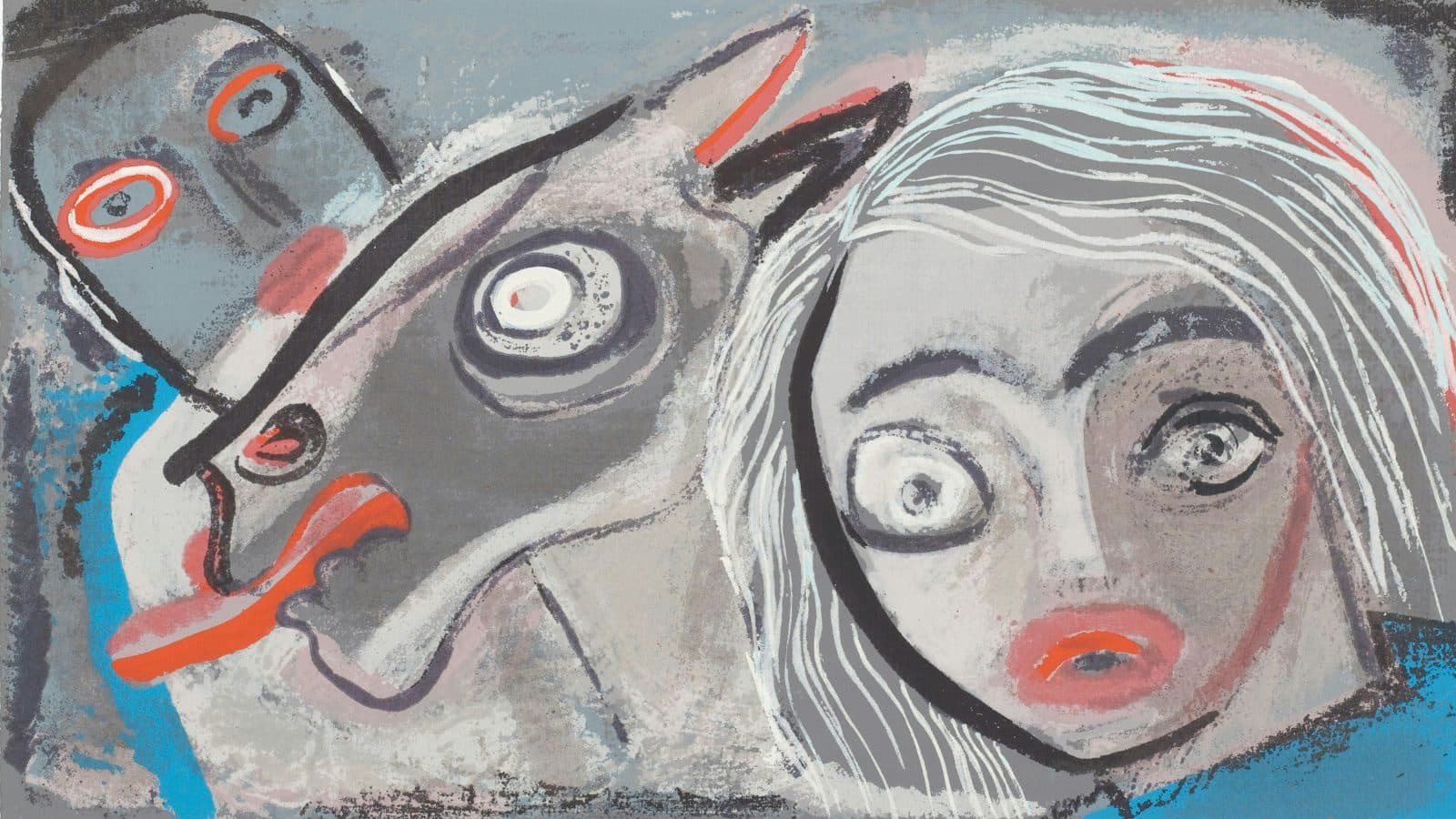
A growing body of research and firsthand accounts from creators suggest that powerful cultural experiences—whether through music, film, video games, or even adult cinema—can stimulate the brain in ways remarkably similar to psychoactive substances. According to High Times, psychologists and artists alike are exploring how art and entertainment can trigger mental states akin to those induced by drugs, offering both escapism and inspiration without the need for chemical intervention
Video games like Cyberpunk 2077, which immerse players in dystopian worlds filled with sensory overload, exemplify how digital experiences can evoke intense emotional responses. Psychologist and gaming expert Nicolás Crescenzi cautions, however, that while these experiences can exhilarate and move people, "a cultural experience can exhilarate, move, make you laugh and cry, and yet it won’t alter your perception or necessarily influence your decision-making the way some substances do." Still, the boundary between the effects of art and drugs is not always clear-cut, as many creators find their imagination sparked by both
Writers and filmmakers describe a near-compulsive attraction to cultural consumption, likening it to a daily necessity that can lead to both inspiration and attachment. Luciano Saracino, who has authored over a hundred books and numerous screenplays, admits, "I feel like there’s something that draws me to consuming, that it’s become a habit. And it can trigger flashes of inspiration." For Saracino and others, consuming art provides a "trippy mental space" that can launch new creative projects, sometimes as powerfully as any drug-induced experience
The parallels between art and intoxication extend to adult entertainment and horror cinema, where creators deliberately seek to provoke visceral reactions. Pornographic film director César Jones describes his work as "the equivalent of a shot of any hard drug," emphasizing how certain images can bypass rational thought and directly impact the nervous system. Similarly, filmmaker Dustin Ferguson, a daily cannabis user, notes that horror movies deliver "dopamine rushes in the same way that drugs do," both for audiences and creators
Psychologists highlight that while cultural products can create symbolic universes and provide powerful emotional rewards, they do not fully replicate the biological mechanisms of drugs. Damián Supply, a psychologist specializing in digital media, points to meditation and mindfulness as additional non-chemical means of achieving altered states: "Through certain states of consciousness that can be generated through meditation, I see a closeness to the dreamscape, which is a distinct category from wakefulness." The consensus is that imagination, sensitivity, and a willingness to "trip" are essential to accessing these states, whether through art or other means
From the OG Lab newsroom perspective, these insights reveal the increasingly blurred lines between creative consumption and chemical stimulation. As the cannabis industry continues to intersect with broader wellness and cultural trends, understanding how art and media can produce similar psychological effects as cannabinoids may shape future product innovation and consumer experiences. This evolving landscape is worth watching as society redefines what it means to get "high"—with or without drugs