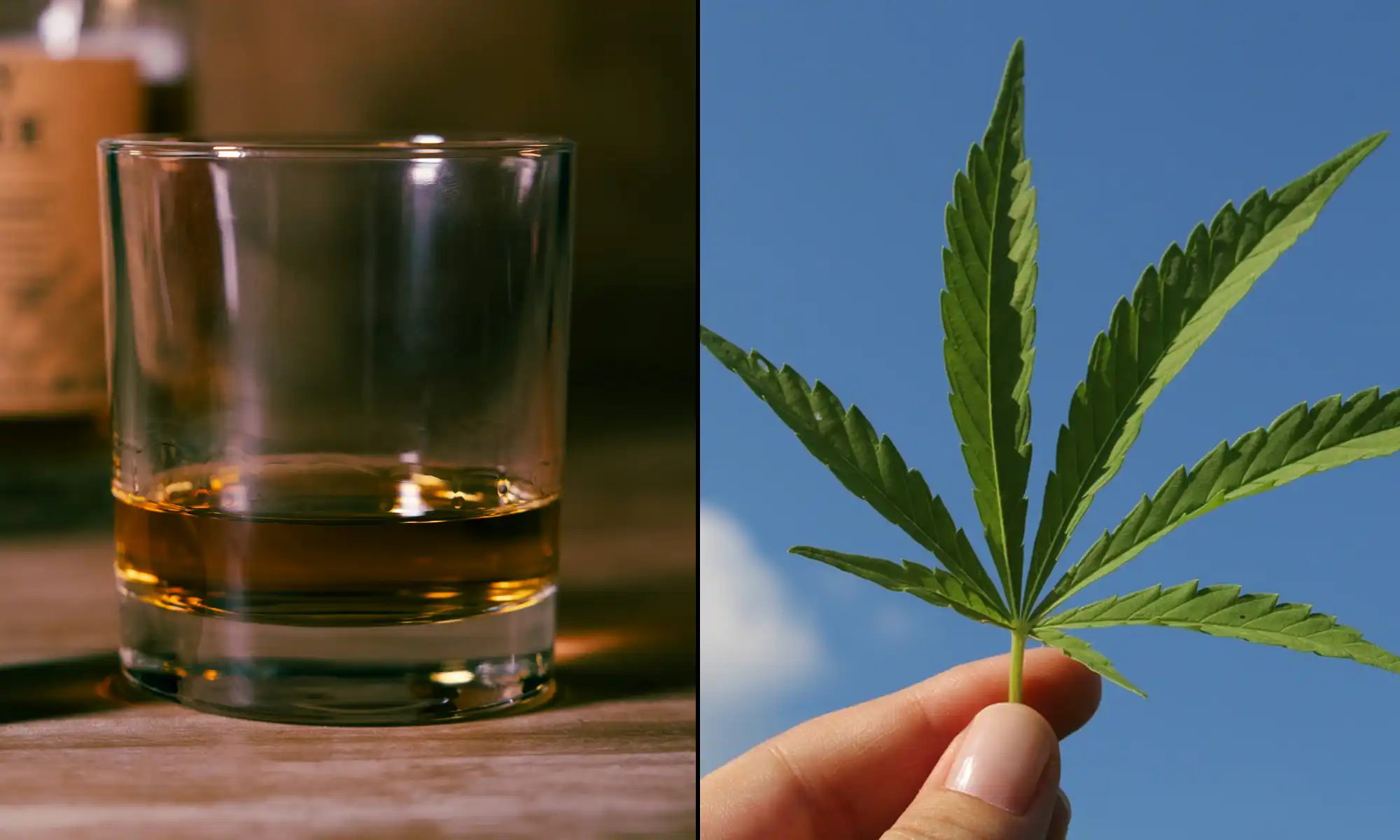
Major Alcohol Lobby Endorses Bill to Allow Hemp THC Beverages, Seeks Tax Dialogue
A leading alcohol industry group has endorsed a new congressional bill to keep hemp-derived THC beverages legal in the U.S., while seeking further discussion on proposed tax rates and regulatory details
Key Points
- 1The Wine & Spirits Wholesalers of America endorsed the Lawful Hemp Protection Act to regulate hemp-derived THC beverages
- 2The bill proposes a three-tier system for hemp drinks, similar to alcohol regulations, and raises the THC limit to 1 percent by dry weight
- 3WSWA seeks further discussion on the proposed tax rates for hemp beverages
- 4The legislation is supported by the White House and major retailers, aiming to avoid a federal ban scheduled for later this year
A powerful alcohol industry group is backing new federal legislation that would keep hemp-derived THC beverages legal in the United States, while also pushing for further discussion on how these drinks are taxed. The Wine & Spirits Wholesalers of America (WSWA) has publicly supported the Lawful Hemp Protection Act, a bill introduced by Representatives Andy Barr and Angie Craig, which proposes a regulatory model for hemp beverages mirroring the established system used for alcoholic drinks
The proposed legislation comes as a response to a looming federal ban set to take effect later this year, which would drastically limit the legal sale of hemp-derived THC products. The Lawful Hemp Protection Act would revise the definition of legal hemp, raising the permissible THC concentration to up to 1 percent on a dry-weight basis for products sold to adults over 21. According to Marijuana Moment, the bill is backed by the White House and aims to bring clarity to a rapidly evolving market
WSWA praised the bill's creation of a three-tier system for hemp beverages—separating manufacturers, wholesalers, and retailers—similar to the system that has governed alcohol for decades. "This legislation takes an important step by recognizing that hemp-derived beverages can be regulated using the principles of the three-tier system that has governed beverage alcohol safely and successfully for more than 90 years," said Dawson Hobbs, executive vice president of federal affairs at WSWA. The association also highlighted the bill's provisions for age restrictions, labeling, and independent product testing
Despite its general approval, WSWA expressed reservations about the bill’s proposed tax rates, which include a 5-cent-per-milligram THC tax and a 5 percent annual sales revenue tax on manufacturers. The group stated it "looks forward to continued discussion about a tax rate that promotes parity with beverage alcohol and supports effective oversight." Other industry stakeholders, including the Beverage Alcohol Merchants Coalition and major retailers like Target, have echoed the need for sensible regulation rather than outright prohibition
The bill also instructs federal authorities to set potency limits, prohibits synthetic cannabinoids, and requires that all hemp cannabinoid products in interstate commerce be domestically sourced and processed. These measures are intended to address safety and supply chain transparency, while consumer advocates and industry groups continue to press Congress to avoid a blanket ban. The National Restaurant Association and several senators have called for a balanced regulatory approach that protects consumers and meets market demand
For the cannabis and beverage sectors, this legislation signals a shift towards integrating intoxicating hemp products into the mainstream regulatory framework. OG Lab notes that the outcome of these discussions will shape not only the future of hemp-derived drinks in the U.S. but also set a precedent for how emerging cannabinoid products could be managed globally. Market participants and consumers alike should watch for further developments as the debate over regulation and taxation unfolds in Congress