North Carolina Hemp Industry Faces Major Setback as Federal THC Limits Take Effect
North Carolina’s $3 billion hemp industry faces upheaval as new federal THC limits take effect in December, threatening the viability of most retail and farming operations across the state
Key Points
- 1New federal law limits hemp products to 0.4mg THC per container starting December 11
- 2Over 90% of hemp shops in North Carolina could be affected by the new restrictions
- 3Some businesses, including Bloom Collective, have already announced closures due to the impending regulations
- 4State lawmakers are considering similar THC limits and age restrictions at the state level
- 5North Carolina’s Advisory Council on Cannabis is preparing recommendations for a regulated adult-use market
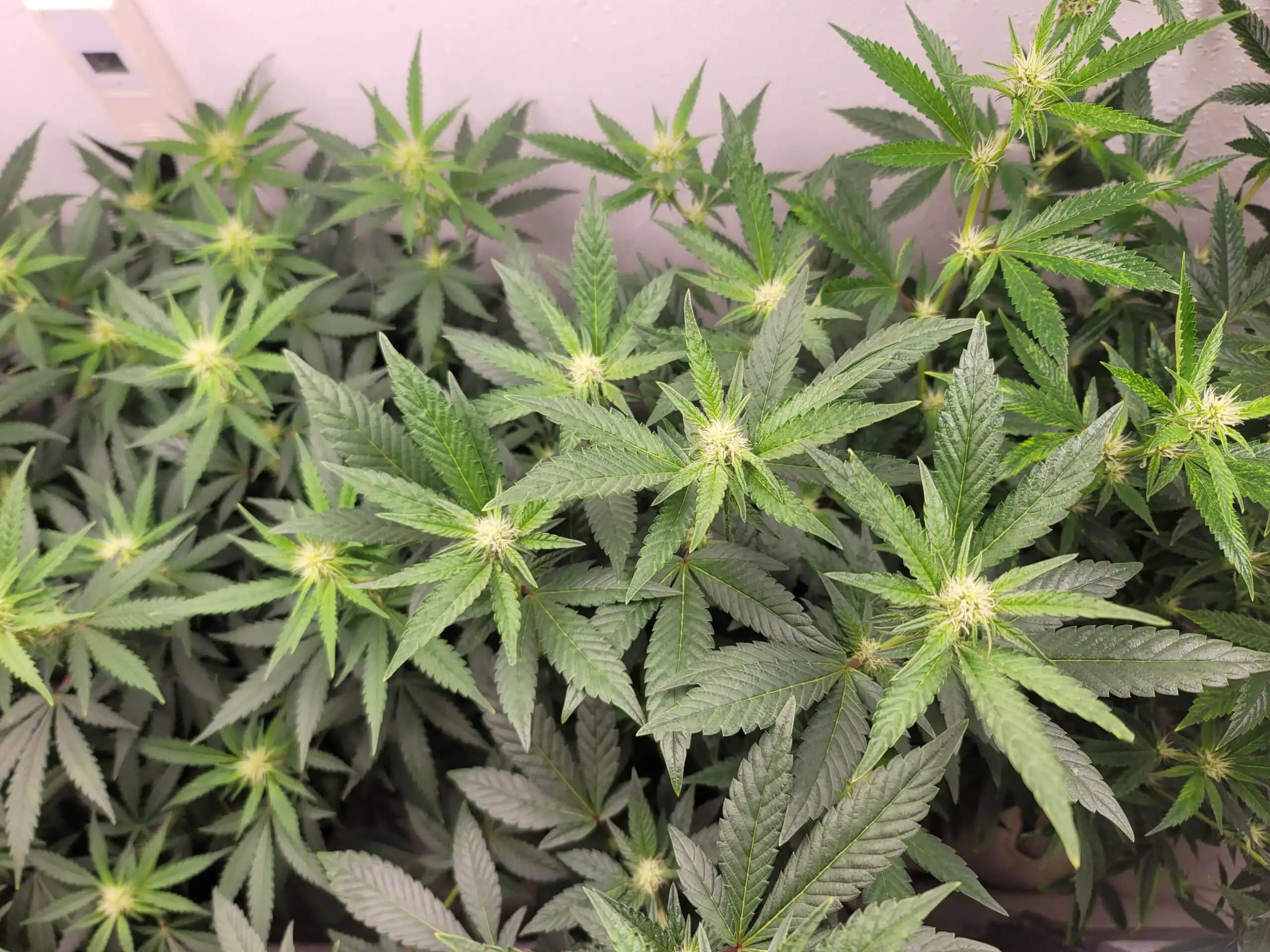
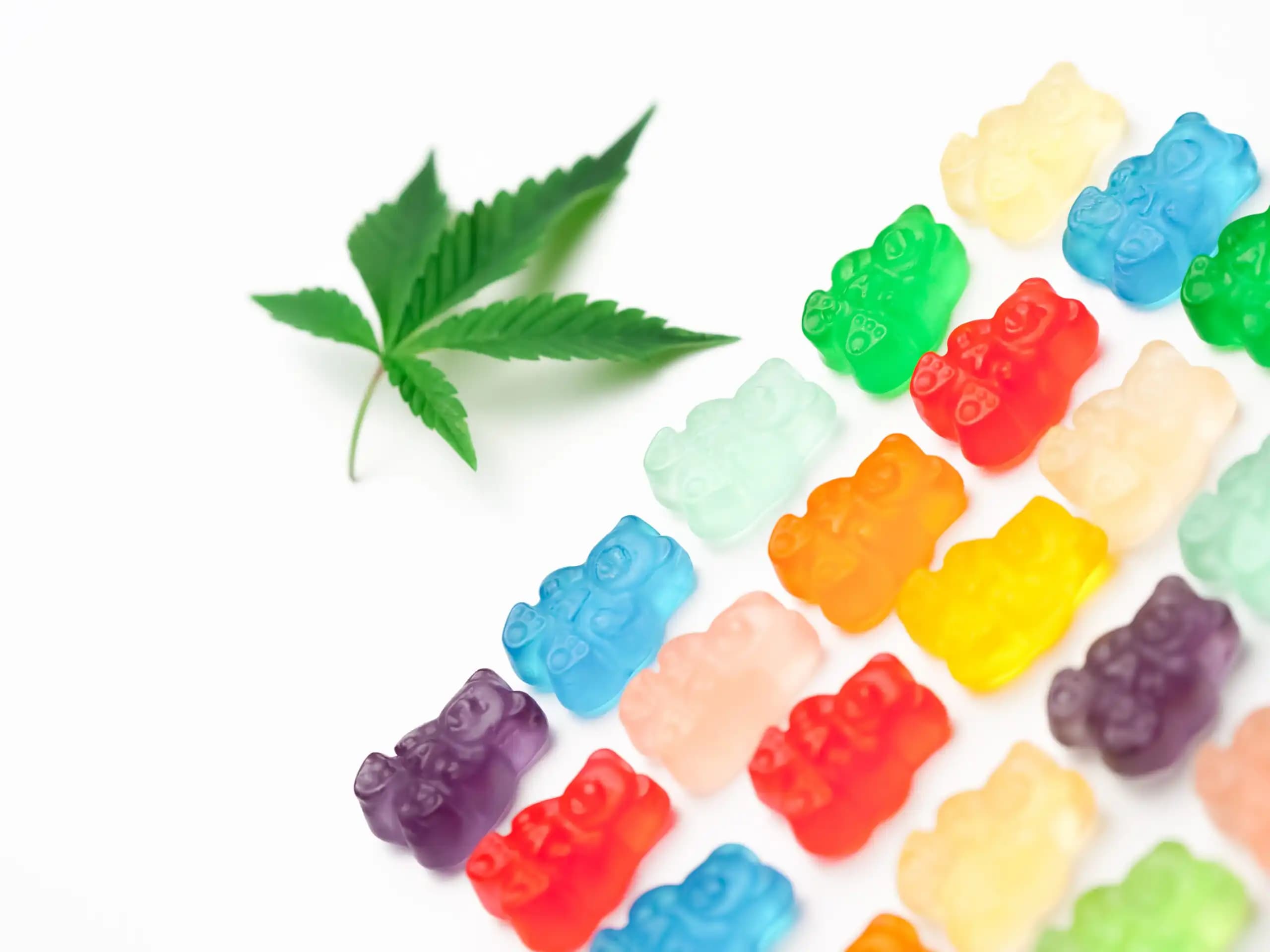
North Carolina's thriving $3 billion hemp industry is on the brink of major disruption as new federal restrictions on hemp-derived THC products are set to take effect. Beginning December 11, only hemp products containing no more than 0.4 milligrams of THC per container will remain legal under federal law. This change, enacted as part of the One Big Beautiful Bill Act, could render many popular products—including gummies, drinks, and even some CBD items—illegal overnight
For business owners like Chris Karazin, co-founder of Carolindica, the looming regulations mean a fundamental shift in operations and strategy. "Regulation is what we need. Prohibition is just hilarious regression," Karazin said, emphasizing the need for sensible oversight rather than outright bans. He and other entrepreneurs are now reassessing their product lines, supply chains, and future investments as they brace for the new rules
The impact of these changes is already being felt across North Carolina. According to a report by Raleigh Dispensaries, over 90 percent of hemp shops in the Triangle region could be affected, with 79 out of 82 stores offering at least one category of product that would soon be prohibited. Some businesses, such as Bloom Collective in Raleigh, have already announced closures, citing the mounting pressure from impending federal regulations
Farmers and retailers alike face uncertainty and difficult choices. Many producers lack the equipment to shift to THC-free products, while retailers are exploring alternatives like supplements and functional mushrooms. However, as Karazin warned, "Most companies are retail, distribution and e-commerce. Those types of companies have no way of adapting at all." The ripple effects could reach deep into the supply chain, leaving farmers without buyers and manufacturers with unsellable inventory
State lawmakers have also debated mirroring the federal THC limits and restricting sales of hemp consumables to those under 21, but have yet to pass such measures. Meanwhile, North Carolina’s Advisory Council on Cannabis is developing recommendations for a regulated adult-use cannabis market, with a final report due by year-end. Public sentiment appears to favor reform, with an Elon University poll showing 75 percent support for medical cannabis legalization and 55 percent in favor of recreational use
With the federal deadline fast approaching, the future of North Carolina’s hemp industry hangs in the balance. OG Lab notes that the outcome will likely serve as a bellwether for hemp businesses nationwide, as entrepreneurs and policymakers grapple with the challenge of balancing regulation, consumer safety, and economic opportunity