Rastafari Cannabis Rights Advance Across Caribbean Nations Amid Ongoing Challenges
Caribbean countries are steadily expanding legal protections for Rastafari cannabis use, but uneven enforcement and regulatory hurdles continue to pose challenges for practitioners across the region
Key Points
- 1Jamaica decriminalized cannabis in 2015 and allows Rastafarians to use and grow ganja for religious purposes
- 2Barbados, Antigua and Barbuda, and the Bahamas have enacted laws for religious cannabis use, though enforcement and licensing remain contentious
- 3Grenada and Saint Kitts and Nevis recently introduced reforms granting Rastafarians expanded cultivation and use rights
- 4The U.S. Virgin Islands fully legalized cannabis in 2023, established Rastafari Day, and expunged minor cannabis convictions
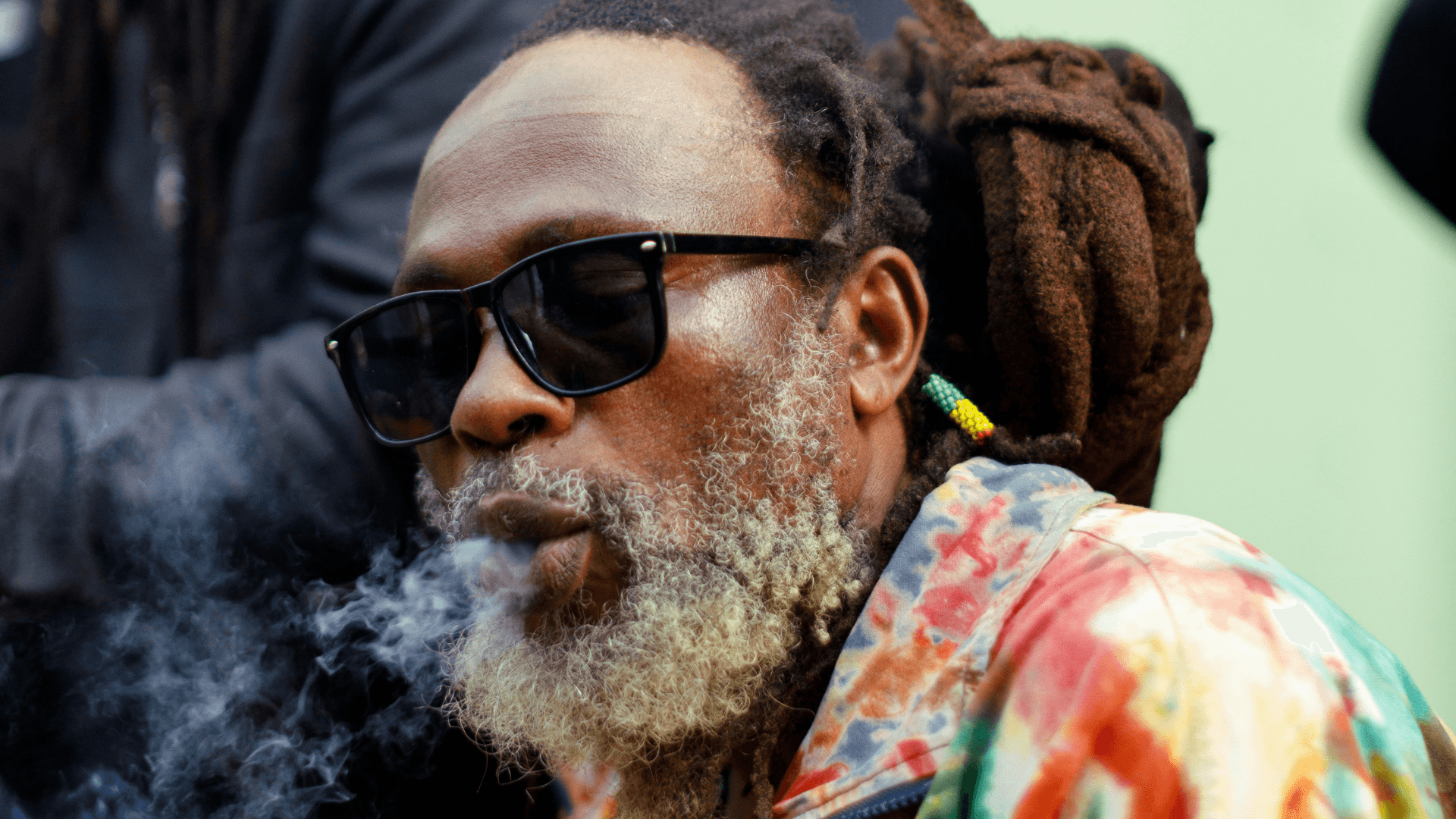
Rastafari communities have long intertwined cannabis with spiritual practice, but legal recognition of sacramental ganja use remains inconsistent worldwide. According to High Times, while some countries have enacted specific religious protections, these are often accompanied by regulatory hurdles, licensing fees, and enforcement challenges. The Rastafari movement, originating in Jamaica nearly a century ago, regards cannabis as a sacred tool for spiritual growth, with an estimated 700,000 practitioners globally. Despite this deep-rooted tradition, Rastafarians continue to face friction with national drug laws, as seen recently when Kenya rejected a renewed request for religious cannabis use
Jamaica, the birthplace of the Rastafari faith, has been a pioneer in cannabis reform. In 2015, the country decriminalized weed and granted Rastafarians special permission to use cannabis sacramentally, allowing them to possess up to two ounces and grow five plants at home. The government has actively supported its cannabis industry, even amidst natural disasters such as Hurricane Melissa in 2025, which severely impacted agriculture and the cannabis sector. Despite these setbacks, Jamaica's industry and tourism have shown resilience, with the country on a path to recovery thanks in part to international support
Elsewhere in the Caribbean, legal frameworks for Rastafari cannabis use vary widely. Barbados legalized medical marijuana by prescription in 2019, and its 2019 Sacramental Cannabis Act permits religious use, but activists argue enforcement is lacking. Antigua and Barbuda, after decriminalizing cannabis in 2018, specifically authorized religious ganja use in 2023, requiring practitioners to register for exemptions. In the Bahamas, Rastafarians must obtain a license—costing up to USD 1,000 for organizations—to legally use cannabis for religious purposes. However, delays in program implementation and high fees have sparked discontent, with community members highlighting "police harassment in rural areas and repeated disregard for their concerns by the authorities."
Recent policy changes in Grenada and Saint Kitts and Nevis reflect ongoing efforts to address historical discrimination against Rastafarians. Grenada decriminalized adult-use cannabis in 2026, granting Rastafarians broader cultivation rights and the ability to use ganja in registered places of worship. Saint Kitts and Nevis introduced the Rastafari Rights Recognition Bill in 2023, allowing licensed Rastafarian groups to grow up to five plants and use cannabis in designated areas. These reforms are seen as steps toward rectifying past religious persecution, though community members in Grenada have called for better law enforcement training to ensure new laws are respected
Saint Vincent and the Grenadines and the U.S. Virgin Islands have also adapted their cannabis laws to accommodate Rastafari practices. Saint Vincent and the Grenadines allows use in homes and places of worship, with licensing opportunities for traditional growers. The U.S. Virgin Islands stands out as the only jurisdiction on the list with fully legal cannabis and an official Rastafari Day, established as "an apology for the religious oppression and persecution" of Rastafarians. The territory's 2023 legalization included expungement of minor cannabis convictions and tailored rules for religious use
The evolving legal landscape underscores both progress and persistent obstacles for Rastafari communities. As more Caribbean nations acknowledge the religious significance of cannabis, enforcement inconsistencies, high costs, and bureaucratic delays remain hurdles. OG Lab notes that the region’s shifting policies highlight a broader movement toward cultural and religious accommodation, but sustained advocacy and clear regulations will be essential to ensure Rastafarians’ rights are fully realized in practice