Steve Marcus Blends Jewish Tradition and Psychedelic Culture in Oregon Art Exhibition
Steve Marcus' 'Psychedelicatessen' exhibition at the Oregon Jewish Museum challenges traditional Jewish identity by blending sacred symbols with cannabis and psychedelic culture, sparking discussion and reflection in the community
Key Points
- 1Steve Marcus' 'Psychedelicatessen' exhibition is on display at the Oregon Jewish Museum in Portland
- 2The show features art that merges Jewish religious symbols with cannabis and psychedelic references
- 3Marcus' background includes work for the High Times Cannabis Cup and collaborations with countercultural icons
- 4Community reactions have ranged from amusement to thoughtful debate about the boundaries of tradition
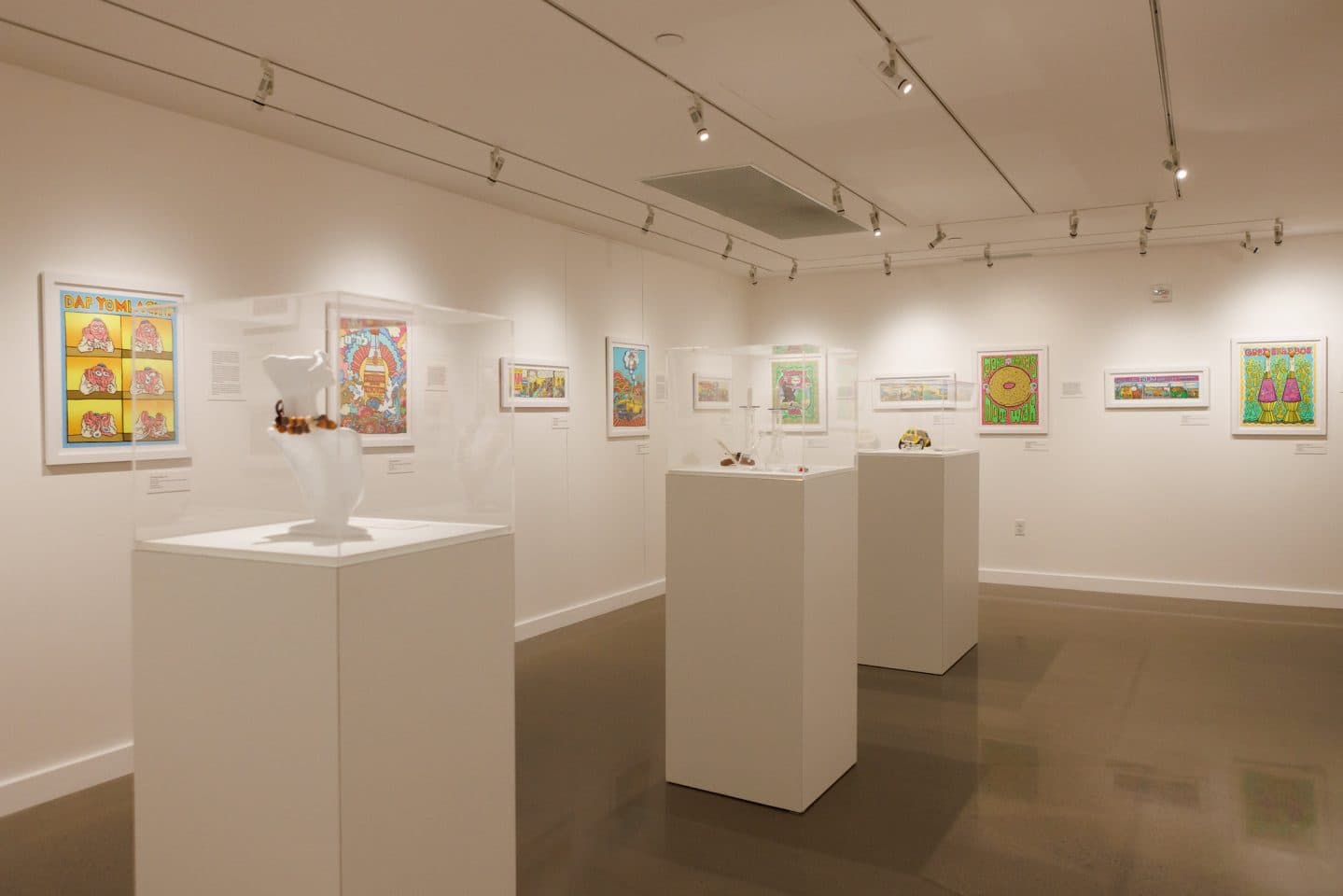
A groundbreaking art exhibition in Portland, Oregon is reimagining Jewish heritage through the lens of counterculture and psychedelics. Steve Marcus' 'Psychedelicatessen: A Powerful Dose of Art,' currently on display at the Oregon Jewish Museum and Center for Holocaust Education, offers visitors a playful collision of Hasidic tradition, rabbinic history, and 1960s underground influences. The show features unconventional objects, such as a mezuzah transformed into a one-hitter pipe and Shabbat candle holders recast as glass bongs, challenging perceptions of what constitutes Jewish identity and ritual
Marcus' work draws heavily on both his personal journey and the broader history of Jewish art, blending sacred motifs with countercultural references like the Grateful Dead and Zig-Zag rolling papers. One poster places the Star of David inside the iconic Grateful Dead skull, while another recasts the Zig-Zag mascot as the 12th-century Rabbi Maimonides, joint in hand. "Psychedelic Judaica like these challenge tradition and stereotype, but they’re also supposed to be funny. There’s nothing sacrilegious about laughter, right?" the artist's approach suggests, according to High Times
The exhibition also pays homage to the legacy of the 1960s psychedelic movement, with Marcus collaborating on LSD blotter art featuring portraits of revered rabbis. These pieces were printed by Craig Kesey, grandson of Ken Kesey, the author and famed leader of the Merry Pranksters. Marcus' background as a rebellious artist, shaped by punk rock, underground comics, and cannabis activism, is evident throughout the collection, which includes posters for the High Times Cannabis Cup and artwork for events like the Tibetan Freedom Concerts
Marcus' personal story is woven into his art, reflecting a journey from a secular, rebellious youth to a reconnection with his Jewish roots after the sudden death of his father. His return to Jewish practice, marked by the recitation of kaddish, inspired a new chapter that fuses reverence and irreverence. "I always had a rebellious spirit," Marcus told the Yiddish Book Center, a sentiment that permeates his work and resonates with visitors who see their own identities reflected in the blend of the sacred and the profane
Community response to 'Psychedelicatessen' has been marked by both amusement and reflection. The Oregon Jewish Museum's decision to host the exhibition signals a growing openness to diverse expressions of Jewish identity, even those that challenge orthodoxy. As Marcus' art exposes viewers to new interpretations of tradition, it invites dialogue about the evolving role of cannabis and psychedelics within cultural and religious contexts. For the global cannabis industry, this signals an ongoing convergence between counterculture and mainstream institutions, suggesting that art and ritual may increasingly intersect with cannabis in ways that challenge, provoke, and ultimately expand the boundaries of tradition